As the temperatures drop across the UK, our dietary choices play a pivotal role in maintaining robust health. Cardiovascular disease remains one of the leading causes of mortality in Britain, and cold weather can significantly increase strain on the heart.
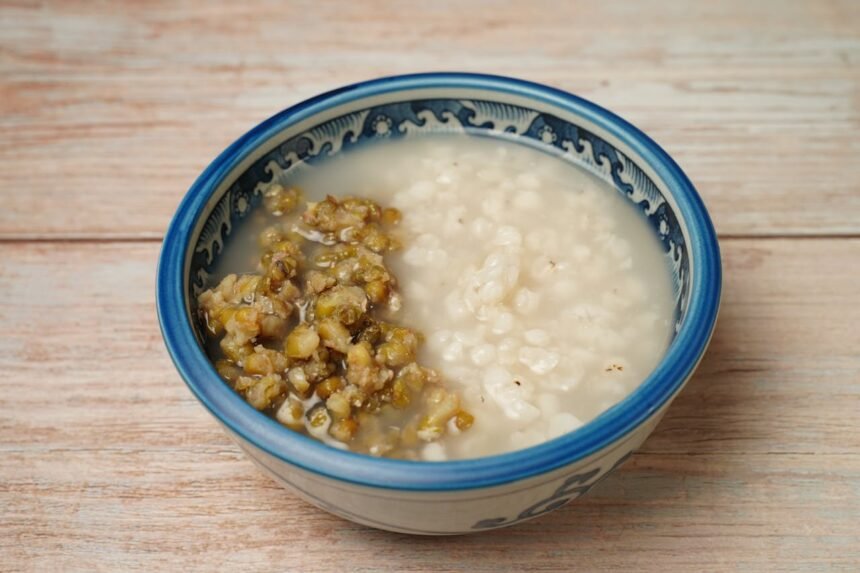
While many turn to heavy comfort foods during the darker months, selecting the right breakfast is crucial for long-term protection. Winter Porridge stands out as a superior clinical choice for starting the day.
This traditional dish offers more than just warmth; it is a complex nutritional intervention for your cardiovascular system. Unlike sugary pastries or processed cereals, porridge provides sustained energy and specific compounds that actively lower disease risk.
By understanding the physiological mechanisms behind oats, we can better appreciate why this humble meal is a cornerstone of heart health.
Quick Facts
- Primary Component: Oats contain beta-glucan, a soluble fibre proven to lower LDL cholesterol.
- UK Guidelines: The NHS recommends high-fibre breakfasts to reduce the risk of heart disease and stroke.
- Nutrient Density: Porridge is rich in manganese, phosphorus, magnesium, and iron.
- Glycaemic Index: Rolled oats have a low GI score, preventing dangerous blood sugar spikes.
- Versatility: It serves as a neutral base for heart-healthy toppings like nuts and berries.
1. Lowers LDL Cholesterol Levels Naturally
High levels of low-density lipoprotein (LDL) cholesterol are a primary risk factor for atherosclerosis. This condition involves the narrowing of arteries due to plaque build-up, which is exacerbated by sedentary winter lifestyles.
Oats contain a specific type of soluble fibre called beta-glucan. When consumed, beta-glucan forms a gel-like substance in the gut.
This gel binds to cholesterol-rich bile acids in the digestive system. Instead of being reabsorbed into the bloodstream, these acids are excreted from the body.
To replace the lost bile acids, your liver pulls cholesterol from your blood. This process naturally lowers your circulating cholesterol levels without medication.
According to Heart UK, consuming 3g of beta-glucan daily can actively reduce cholesterol. A large bowl of porridge provides a significant portion of this requirement.
While a Root Stew is excellent for dinner, starting your day with oats ensures you address cholesterol management immediately upon waking.
2. Regulates Blood Pressure via Antioxidants
Hypertension, or high blood pressure, is often called the ‘silent killer’ in the UK medical community. The cold weather causes blood vessels to constrict, naturally raising blood pressure to conserve heat.
Porridge offers a protective mechanism through a group of antioxidants known as avenanthramides. These compounds are almost exclusively found in oats.
Avenanthramides help increase the production of nitric oxide in the body. Nitric oxide is a gas molecule that helps dilate (widen) blood vessels.
By improving blood flow, oats reduce the pressure against arterial walls. This is vastly superior to high-sodium breakfast options.
Many people rely on salty comfort foods like processed meats or even canned Potato Leek Soup for warmth. Unfortunately, the sodium content in processed soups can spike blood pressure further.
Choosing oats provides a warm, soothing meal without the sodium burden. For further reading on managing hypertension, see our guide on dietary approaches to blood pressure.
3. Stabilises Blood Sugar and Insulin Sensitivity
Cardiovascular health is intrinsically linked to metabolic health. Spikes in blood sugar can damage blood vessels over time, leading to diabetic heart disease.
In the winter, the temptation to eat sugary treats like Cinnamon Buns or pastries is high. These foods cause rapid insulin surges followed by crashes.
Porridge, specifically made from rolled or steel-cut oats, has a low glycaemic index (GI). This means it is digested and absorbed slowly.
This slow release ensures a steady supply of glucose to the bloodstream. It reduces the oxidative stress on the cardiovascular system that occurs after eating high-sugar foods.
Maintaining stable blood sugar prevents the inflammation that damages arterial linings. You can read more about complex carbohydrates here.
It is important to avoid instant pots with added sugar. Instead, sweeten your bowl naturally to maintain this clinical benefit.
4. Assists in Weight Management
Obesity increases the workload on the heart and is a major risk factor for heart failure. During winter, physical activity often decreases, making weight management difficult.
The high fibre content in porridge promotes satiety, the feeling of fullness. This helps prevent overeating later in the day.
When you feel full, you are less likely to snack on calorie-dense winter treats like Winter Fruit Cake. While delicious, such cakes are often loaded with saturated fats.
Studies cited by the NHS suggest that high-fibre diets are effective for weight control. Porridge creates a physical volume in the stomach that signals the brain to stop eating.
Compared to a slice of Winter Squash Pie, a bowl of oats offers more fibre for fewer calories. This caloric deficit is essential for reducing visceral fat around the heart.
For more strategies on staying lean in winter, check our article on seasonal weight control.
5. Reduces Systemic Inflammation
Chronic inflammation is a key driver of heart disease. It contributes to the formation and rupture of arterial plaques.
The nutrient profile of whole oats includes anti-inflammatory compounds. These work similarly to the compounds found in Beetroot Soup or leafy greens.
By reducing systemic inflammation, you lower the risk of thrombotic events like heart attacks. This is vital during flu season, when systemic inflammation is already elevated.
While Mushroom Stroganoff can be made healthy, cream-based sauces often increase inflammatory markers. Oats provide a neutral, anti-inflammatory base for your diet.
Integrating oats helps balance out other inflammatory exposures in the modern diet. See our detailed breakdown of the anti-inflammatory lifestyle.
6. Improves Gut Microbiome Diversity
Emerging science links gut health directly to heart health via the gut-heart axis. The bacteria in our digestive tract influence lipid metabolism.
Oats act as a prebiotic. This means they feed the beneficial bacteria in your large intestine.
When these bacteria ferment oat fibre, they produce short-chain fatty acids (SCFAs). SCFAs have been shown to regulate cholesterol production in the liver.
Including other prebiotic foods like Warm Lentils in your lunch can amplify this effect. A diversity of fibre sources is key for a resilient microbiome.
A healthy gut barrier also prevents endotoxins from entering the bloodstream. This further protects the heart from stress and infection.
For a deeper dive, read about gut health fundamentals. It is a critical component of modern cardiology.
7. Provides Essential Minerals for Rhythm Control
The heart requires specific electrolytes to maintain a steady rhythm. Magnesium and potassium are critical for electrical signaling in cardiac muscle.
Porridge is a reliable source of these essential minerals. Deficiencies in magnesium can lead to arrhythmias (irregular heartbeats).
In winter, we sweat less but may drink less water, affecting electrolyte balance. Nutrient-dense meals are required to replenish stores.
While Parsnip Soup is a good vegetable source of minerals, porridge ensures you get them first thing in the morning. This primes your heart function for the day ahead.
Adequate mineral intake also helps relaxation and stress reduction. Learn more about preventing heart disease through micronutrients.
How to Optimise Your Bowl for Cardiac Health
Choose the Right Liquid
To maximise benefits, prepare your oats with water or semi-skimmed milk. For a plant-based option, fortified soya or oat milk helps lower saturated fat intake.
Avoid full-fat cream, as this negates the cholesterol-lowering effects. British Heart Foundation recipes often suggest using water and adding creaminess through cooking technique.
Incorporate Fruit and Nuts
Top your porridge with Winter Compote made from berries. Berries add anthocyanins, which are powerful antioxidants.
Walnuts or flaxseeds add Omega-3 fatty acids. These healthy fats are essential for maintaining arterial flexibility.
Baked Apples with cinnamon make for a delicious, high-fibre topping without added sugar. This mimics the comfort of a dessert while remaining medically sound.
Savoury Variations
If you prefer savoury breakfasts, oats can be prepared with vegetable stock. This is similar to the concept of Hearty Broths but with more sustenance.
You might add sautéed mushrooms or spinach. Some even add a sprinkle of nutritional yeast or Kale Chips for texture.
This reduces sugar intake to zero and increases vegetable consumption. Explore more healthy breakfast ideas on our blog.
Alternatives to High-Risk Winter Foods
It is important to swap out dangerous winter staples. Roast Chestnuts are a healthy snack, but they often accompany high-salt meats.
Similarly, Winter Galettes or pastries are high in trans fats. These fats are the most harmful to cardiovascular health.
If you crave comfort, opt for a small portion of Winter Squash Pie but ensure the crust is wholemeal. However, for daily consumption, porridge remains the gold standard.
Even compared to Winter Meatloaf or heavy dinners, a lighter breakfast helps balance your daily caloric load. Balance is the key to longevity.
The Bottom Line
Winter Porridge is more than a simple breakfast; it is a clinical tool for cardiovascular protection. Its ability to lower cholesterol, regulate blood pressure, and stabilise blood sugar makes it indispensable in the UK diet.
By swapping out processed options for whole oats, you actively reduce your risk of heart disease. Combined with other healthy choices like Warm Lentils and plenty of vegetables, you can navigate winter in peak health.
Consult your GP before making drastic dietary changes. For further guidance, visit the World Health Organization page on cardiovascular diseases.
Start your morning right. Your heart will thank you for the warmth and the wellness.
Read more about foods that lower cholesterol or our guide to winter nutrition.