Every parent knows the morning rush. You are trying to find matching socks, sign permission slips, and ensure everyone leaves the house on time. Amidst this chaos, packing a healthy school lunch can often feel like a chore. However, the food your child eats during the day plays a massive role in their ability to learn, concentrate, and grow.
A nutritious midday meal is not just about filling a hungry tummy. It is fuel for the brain. Research suggests that a balanced diet can significantly improve academic performance and behaviour in the classroom.
This guide will help you master the art of the packed lunch. We will cover nutrition basics, healthy packed lunch ideas for picky eaters, and tips to save you time and money.
Why Does Lunch Matter?
Children spend a significant portion of their waking hours at school. Their lunch provides the energy needed to get through afternoon lessons. A meal high in sugar might give a quick burst of energy, but it often leads to a ‘crash’ later. This can make children feel tired and irritable.
> “A healthy diet is essential for good health and nutrition. It protects you against many chronic noncommunicable diseases, such as heart disease, diabetes and cancer.” — World Health Organization
By providing a balanced meal, you ensure your child has sustained energy. This supports their physical health and their mental well-being.
The Anatomy of a Balanced Lunch Box
Creating a balanced meal does not require a degree in nutrition. You simply need to include a few key elements. Think of the lunch box as a puzzle. When you fit the right pieces together, you get a complete picture of health.
According to the British Nutrition Foundation, a healthy lunch box should contain:
- Starchy Carbohydrates: These provide energy. Choose wholegrain versions where possible, such as wholemeal bread, pasta, or brown rice.
- Protein: Essential for growth. Good sources include chicken, fish, eggs, beans, or lentils.
- Dairy or Calcium-rich alternatives: Important for strong bones and teeth. Yoghurt, cheese, or fortified plant milks work well.
- Fruits and Vegetables: Aim for at least two portions. These provide vital vitamins and fibre.
- Hydration: Water is always the best choice.
Quick and Easy Lunch Box Ideas
Staring at an empty lunch box can be daunting. Here are some practical ideas to inspire you, including options for cold lunch ideas for school.
The Classic Sandwich Upgrade
Sandwiches are a staple for a reason. They are easy and portable. However, they can get boring. Try swapping white bread for a wholemeal wrap, a bagel, or pitta bread.
* Filling Idea: Roast chicken with salad and a little mayonnaise.
* Vegetarian Option: Hummus with grated carrot and cucumber.
Bento Box Fun
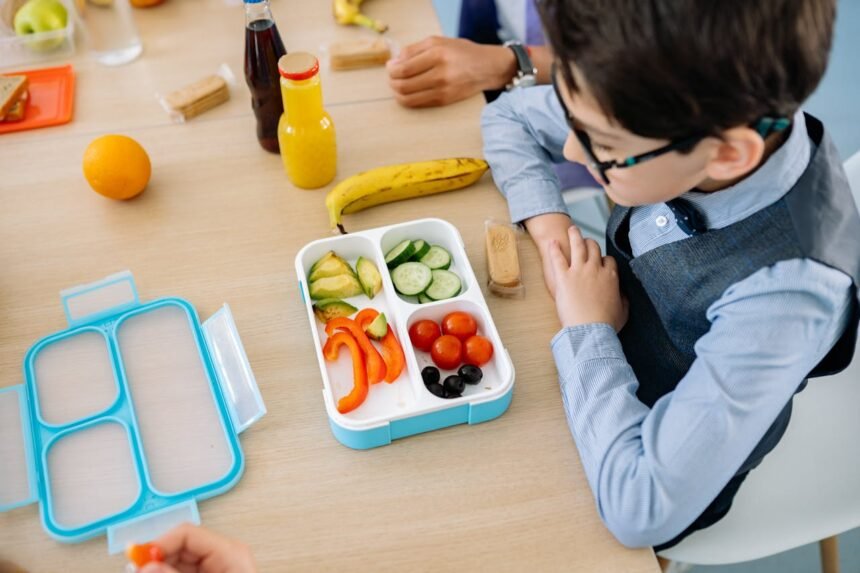
Bento box ideas for kids are incredibly popular right now. A bento box is a container with small compartments. It allows you to offer a variety of foods without them touching—a huge bonus for fussy eaters.
* Compartment 1: Cubes of cheddar cheese.
* Compartment 2: Sliced peppers and cherry tomatoes.
* Compartment 3: Hard-boiled egg or falafel.
* Compartment 4: Grapes or berries.
* Compartment 5: Wholemeal crackers.
Pasta and Rice Salads
Leftovers can make excellent lunches. If you cook pasta or rice for dinner, make a little extra. Cool it down quickly and refrigerate it for the next day.
Pesto Pasta:** Mix cold pasta with green pesto, peas, and sweetcorn. It is one of the best *vegetarian school lunch box ideas.
* Savoury Rice: Mix brown rice with chopped vegetables and kidney beans.
Catering to Special Diets
Many schools now have strict policies regarding allergens. It is vital to check your school’s rules, especially concerning nuts.
Nut-Free Zones
Creating nut-free school lunch recipes is essential if your school is a nut-free zone. Avoid peanut butter and hazelnut spreads. Instead, try seeds (like sunflower or pumpkin seeds) for crunch, or use cream cheese and hummus as spreads. For more guidance on allergies, Allergy UK offers excellent resources.
Gluten-Free and Plant-Based
If your child has coeliac disease or an intolerance, there are many gluten-free school lunch ideas*. Use rice cakes, quinoa salads, or gluten-free bread. For vegan families, focus on *protein-rich packed lunches using tofu chunks, bean salads, or lentil patties to ensure they stay full.
Handling Picky Eaters
One of the biggest challenges parents face is food refusal. You pack a lovely healthy meal, and it comes home untouched.
To tackle this with healthy packed lunch ideas for picky eaters, try these strategies:
* Get them involved: Let your child choose a new fruit or vegetable at the supermarket. If they pick it, they are more likely to eat it.
* Keep it simple: Some children find mixed textures difficult. Separating ingredients can help.
* Cut shapes: Use cookie cutters to make sandwiches or fruit look fun.
Dip it:** Kids love dipping. Provide *fruit and veg snacks for kids like apple slices or carrot sticks with a small pot of yoghurt or guacamole.
For more advice on managing children’s diets, the NHS Healthier Families website is a treasure trove of information.
Budget-Friendly Tips
Feeding a family can be expensive. However, cheap healthy school meals are entirely possible with a bit of planning.
- Buy in season: Fruits and vegetables are cheaper and tastier when they are in season.
- Bulk buy snacks: Instead of buying individual packets of raisins or popcorn, buy a large bag and decant portions into reusable containers.
- Cook from scratch: Homemade granola bars or muffins are cheaper than store-bought versions. You can control the sugar levels too.
- Use leftovers: As mentioned, dinner leftovers make great lunches.
According to MoneyHelper, planning your meals for the week is the single most effective way to reduce food bills.
Food Safety and Hygiene
Keeping food fresh until lunchtime is crucial. School lunch food safety often gets overlooked. Bacteria can grow quickly in warm temperatures.
* Use an insulated bag: This helps keep the temperature stable.
* Add an ice pack: Frozen juice cartons or dedicated ice packs keep food cool.
* Wash everything: Ensure lunch boxes and water bottles are washed thoroughly every day with hot soapy water. The Food Standards Agency provides clear guidelines on hygiene to prevent illness.
Reducing Sugar
Many common lunchbox items are hidden sugar traps. Flavoured yoghurts, cereal bars, and fruit drinks can contain high amounts of free sugars. Excessive sugar can harm teeth and lead to weight gain. Diabetes UK highlights the importance of understanding food labels to manage sugar intake.
Try these sugar-free snacks for school:
* Plain popcorn.
* Cheese strings.
* Vegetable sticks.
* Plain yoghurt with fresh fruit added.
* Homemade muffins sweetened with banana or apple sauce.
Eco-Friendly Lunches
Reducing waste is a great lesson for children. Switching to eco-friendly lunch boxes UK parents recommend can save money and the planet.
* Reusable bottles: Avoid single-use plastic water bottles.
* Beeswax wraps: A great alternative to cling film for wrapping sandwiches.
* Stainless steel containers: These are durable and easy to clean.
Organisations like the Soil Association campaign for sustainable food practices in schools, emphasizing the link between planetary health and human health.

Preparation is Key
The morning rush is not the time to be slicing carrots. Preparing school lunches ahead of time changes everything.
* Sunday Prep: Wash and chop vegetables for the week. Store them in water in the fridge to keep them crisp.
Batch Bake:** Make a batch of savoury cheese muffins or *quick healthy lunch box fillers on the weekend and freeze them.
* The Night Before: Assemble the sandwiches and pack the non-perishable items the night before.
Mental Health and Diet
What we eat affects how we feel. A diet lacking in nutrients can contribute to low mood. The Mental Health Foundation states that a balanced diet is vital for the mental health of children and adults alike. Including Omega-3 rich foods, like oily fish or walnuts (if allowed), can support brain health.
Hydration for Concentration
Dehydration causes headaches and poor concentration. Water is the best fluid for children. Milk is also a good choice as it provides calcium. Avoid fizzy drinks and limit fruit juice to meal times due to acidity. BDA (The Association of UK Dietitians) recommends children have regular access to water throughout the school day.
Government Standards
In the UK, there are specific regulations for food provided by schools. The GOV.UK School Food Standards ensure that children receiving hot meals get a balanced diet. If you provide a packed lunch, you are not bound by these laws, but they serve as an excellent guideline for a balanced diet for school children.
Conclusion
Packing a healthy school lunch does not need to be perfect every day. It is about consistency and balance over the week. By using fresh ingredients, planning ahead, and involving your children, you can create meals that they enjoy and that nourish their growing bodies.
Remember to keep it varied, keep it cool, and keep it simple. Your child’s teachers (and their tummy) will thank you.
For more science-based nutrition advice for children, you can visit the Harvard T.H. Chan School of Public Health, which offers a global perspective on healthy eating plates.
—
Frequently Asked Questions (FAQ)
1. What are the best healthy packed lunch ideas for picky eaters?
The best approach is to offer variety in small portions. Bento boxes work wonders here. Try offering ‘deconstructed’ sandwiches (bread, meat, and cheese separate), mild cheese cubes, plain pasta, or chopped fruit. Always include at least one food you know they like alongside new options.
2. How can I keep school lunches cold without a fridge?
Use an insulated lunch bag combined with a frozen ice pack. You can also freeze a carton of juice or a bottle of water overnight; it will melt by lunchtime but keep the surrounding food cool in the meantime. This is crucial for food safety.
3. What are some good nut-free school lunch recipes?
Safety is paramount in schools. Good alternatives include sunflower seed butter sandwiches, hummus and vegetable wraps, cold pasta salads with pesto (check the label for nuts), or cheese and cracker combinations. Always read labels on packaged snacks to ensure they are safe.
4. How do I provide a balanced diet for school children in a packed lunch?
Follow the ‘Eatwell’ approach: include a starchy carb (bread, pasta, rice), a portion of protein (beans, egg, meat, fish), a portion of dairy (yoghurt, cheese), and at least one portion of fruit and vegetables. This ensures they get the nutrients needed for energy and growth.
5. Can I prepare school lunches ahead of time to save mornings?
Absolutely. You can chop vegetables and fruits (sprinkle with lemon juice to prevent browning) 2-3 days in advance. You can also make sandwiches the night before and refrigerate them. Freezing batches of savoury muffins or frittatas is also a great way to have quick healthy lunch box fillers ready to go.