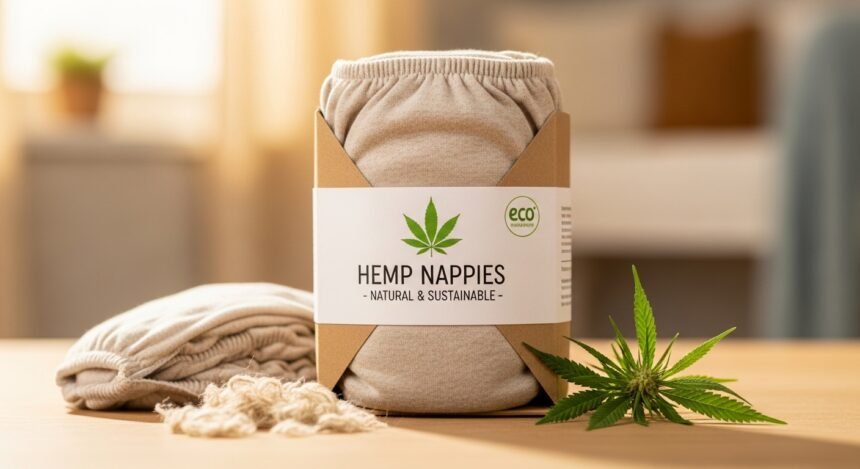
If you are delving into the world of reusable nappies (often called diapers outside the UK), you have likely heard rumours about the magical properties of hemp. Known for its incredible thirst and eco-friendly credentials, hemp has become a favourite fabric for parents tackling night-time leaks and heavy wetters.
But is it really superior to cotton or bamboo? How do you wash it? And why does it go so stiff on the line? In this guide, we explore everything you need to know about hemp nappies, from their environmental impact to practical care tips.
Why Choose Hemp for Your Baby?
Hemp is a natural fibre derived from the Cannabis sativa plant. Unlike synthetic microfiber or even other natural fibres, hemp offers a unique set of benefits that make it a powerhouse in the cloth nappy world.
1. Unbeatable Absorbency
The primary reason parents choose hemp is its ability to hold liquid. While it absorbs moisture slower than cotton or bamboo, it holds significantly more. This makes hemp nappy boosters an essential tool for preventing leaks, particularly during long naps or overnight.
> Top Tip: Because hemp absorbs slowly, it is best paired with a fast-absorbing layer (like cotton or bamboo) on top to catch the immediate flood, while the hemp locks it away underneath.
2. Naturally Antibacterial
Baby skin is delicate, and nappy rash is a common concern. Studies suggest that hemp fabric possesses natural antibacterial and antifungal properties. A study highlighted by the National Institutes of Health (NIH) indicates that hemp fibres can inhibit bacterial growth, potentially leading to a healthier environment for your baby’s bottom compared to synthetic alternatives.
3. The Eco-Friendly Champion
If sustainability is your main driver, hemp is the clear winner. It requires far less water to grow than cotton and improves soil health. According to the Soil Association, organic textiles like hemp are crucial for reducing the environmental footprint of our clothing and hygiene products.
Hemp vs. Bamboo vs. Cotton vs. Microfibre
Understanding how hemp compares to other fabrics will help you build the perfect nappy stash.
| Feature | Hemp | Bamboo | Cotton | Microfibre |
| :— | :— | :— | :— | :— |
| Absorbency Capacity | Very High | High | Moderate | Low |
| Absorption Speed | Slow | Moderate | Fast | Very Fast |
| Durability | Excellent | Good | Good | Poor (degrades over time) |
| Drying Time | Slow | Slow | Moderate | Fast |
| Compression Leaks | No | No | No | Yes |
Hemp:** The workhorse. Great for *night time cloth nappies but needs a “partner” layer on top.
* Bamboo: Soft and absorbent, often blended with cotton.
* Cotton: The classic all-rounder. Absorbs fast and cleans easily.
Microfibre:** Synthetic sponge. Absorbs fast but acts like a sponge—if you squeeze it (baby sits down), the liquid leaks out. This is called a “compression leak”. *Cloth nappy compression leaks are rare with hemp.
Types of Hemp Nappy Products
You won’t often find a nappy made 100% of hemp because it would be too rough and slow to absorb. Instead, you will find blends (usually 55% hemp, 45% cotton).
Hemp Inserts and Boosters
These are rectangular pads you place inside a pocket nappy or lay inside a wrap. Organic hemp nappy inserts are perfect for boosting the performance of a standard nappy without adding too much bulk.
Hemp Fitted Nappies
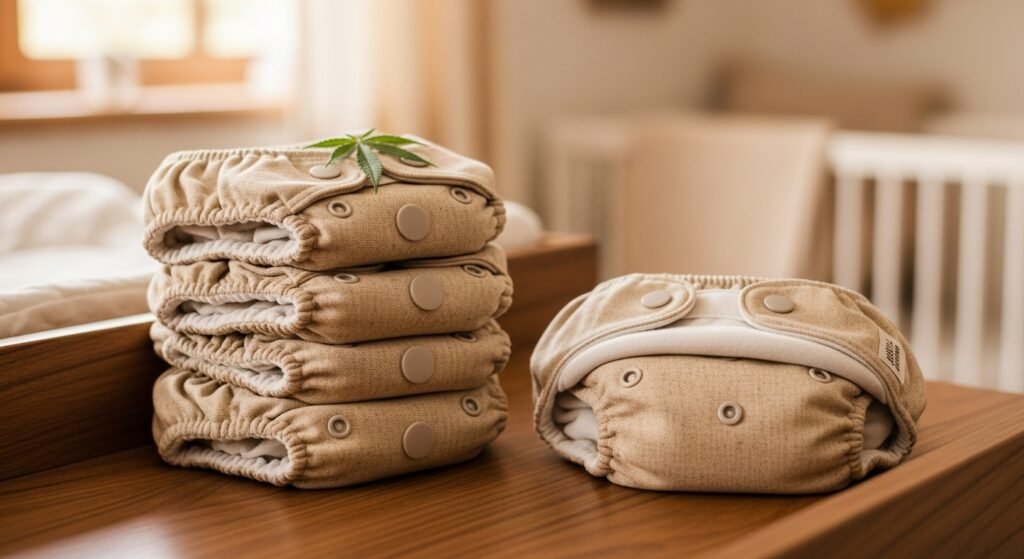
These are shaped nappies made entirely of absorbent fabric (requiring a waterproof wrap). Hemp fitted nappies reviews often cite them as the ultimate “bulletproof” solution for nights. They are extremely absorbent but can take a long time to dry.
Hemp Flats and Prefolds
Hemp flat nappies are large squares of fabric you fold yourself. They dry faster than fitted nappies because they unfold, making them a great choice if you don’t have a tumble dryer.
How to Prep and Wash Hemp Nappies
Proper care is vital. If you do not wash hemp correctly, it won’t absorb, and it might smell.
Prepping Your Nappies
Natural fibres contain natural oils that repel water. To remove these oils and “fluff up” the fibres for maximum absorbency, you need to prep them.
- Soak:* Some parents soak *prepping hemp nappies overnight in cold water to jump-start the process.
- Wash: Wash them 3-5 times before use. You don’t need to dry them between these washes.
- Test: Drop a bit of water on the dry nappy. If it sinks in immediately, it’s ready.
The Wash Routine
For a thorough clean, follow a routine recommended by experts like Clean Cloth Nappies.
* Pre-Wash: Run a short cycle (30-60 mins) at 40°C-60°C with detergent to remove the bulk of the soiling.
* Main Wash: Run a long cycle (2.5+ hours) at 40°C or 60°C with the full dose of detergent for heavy soiling.
Hard Water:** If you are *washing hemp nappies hard water areas, ensure you use powder detergent rather than liquid, as it softens the water more effectively.
Drying Hemp
This is the main drawback. Hemp holds on to water, so it takes ages to dry.
* Line Dry: Best for the environment and longevity.
* Softening: Air-dried hemp can feel like cardboard. To fix this, rub the dry inserts together vigorously or give them a quick 10-minute blast in the tumble dryer on low (if the care label permits).
Environmental Impact: A Deeper Dive
In the UK, we throw away approximately 3 billion disposable nappies every year, according to WRAP. These sit in landfill for centuries.
By choosing reusable nappies, and specifically sustainable fibres like hemp, you drastically reduce this waste. Even factoring in the water used for washing, reusables are up to 40% better for the environment than disposables over a child’s life, as per the GOV.UK Life Cycle Assessment.
Furthermore, hemp crops capture large amounts of carbon. Eco friendly nappy choices involving hemp support agricultural practices that require fewer pesticides than non-organic cotton.
Troubleshooting Common Issues
“My Nappies Are Leaking!”
If you are using hemp and still getting leaks, check your absorbency speed. If the hemp is on top, urine might be rolling off it before it can soak in. Always put cotton or bamboo on top of hemp.
“They Smell of Ammonia”
Because hemp is so dense, it can trap detergent or bacteria if not washed with enough water. Ensure your machine is about 2/3 full when wet to get good agitation. Resources like The Nappy Lady offer excellent troubleshooting guides for smell issues.
“My Baby Has Nappy Rash”
While hemp is antibacterial, leaving a wet nappy on too long can still cause irritation. Antibacterial nappy fabrics help, but frequent changes are key. For persistent rashes, consult the NHS nappy rash advice page.
Conclusion
Hemp nappies are an investment. They may cost a little more upfront and take longer to dry, but their durability and performance are unmatched. For parents of best nappies for heavy wetters*, a hemp booster is often the difference between a wet bed and a peaceful night’s sleep. By combining hemp with other *natural fibre nappy absorbency layers, you create a system that is reliable, sustainable, and kind to your baby’s skin.
Frequently Asked Questions
1. Can I use hemp inserts in any cloth nappy?
Yes, you can use hemp nappy boosters in almost any system, including pocket nappies, all-in-ones, and wraps. They are slim, making them ideal for adding absorbency without bulk.
2. Why are my hemp nappies so stiff after washing?
Hemp fibres stiffen when air-dried, especially in hard water areas. To soften them, tumble dry on low for 10 minutes or scrunch and rub them together firmly with your hands before use.
3. How often should I change a hemp nappy?
Although hemp holds a lot of liquid, you should still change your baby every 2-4 hours during the day to prevent nappy rash and maintain sustainable baby changing hygiene.
4. Can I use bleach on hemp nappies?
It is generally recommended to avoid frequent bleaching as it can degrade natural fibres. However, for occasional sanitising, follow specific dilution guidelines from reputable sources like NappiCycle or nappy library advice.
5. Is hemp better than bamboo for night time?
Hemp is denser and holds more fluid, making it generally better for long periods. However, a combination of hemp vs bamboo inserts (bamboo on top for speed, hemp underneath for capacity) is often the “gold standard” for night time success.
Useful Resources
* Ethical Consumer Guide to Nappies
* MadeForMums Reusable Nappy Reviews
* Which? Baby Product Advice
* ResearchGate – Textile Studies