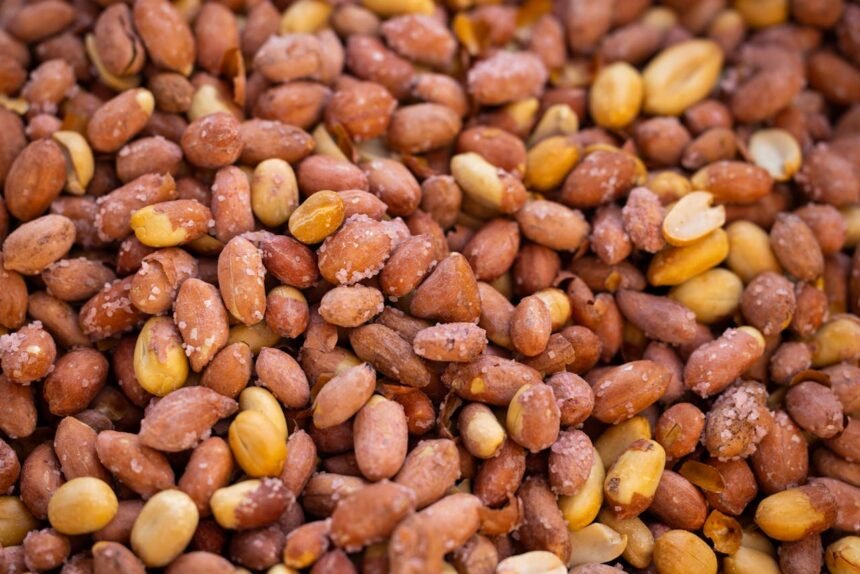
There is something undeniably satisfying about the crunch of a peanut combined with the caramelised sweetness of honey. Honey roasted peanuts have become a staple snack in households across the UK, bridging the gap between a savoury bite and a sweet treat. Whether grabbed from a convenience store or prepared at home, they offer a burst of flavour that plain nuts often lack.
However, for the health-conscious consumer, this snack poses a dilemma. We know that nuts are generally beneficial for heart health, but does the addition of sugar and honey negate these benefits? Understanding the nutritional trade-offs is essential for incorporating them into a balanced diet.
While peanuts themselves are legumes—botanically closer to beans than tree nuts—they share the same nutritional profile as almonds and walnuts. But when coated in a glaze, the line between “health food” and “confectionery” can blur.
Overview: The Nutritional Landscape
At their core, peanuts are nutrient-dense powerhouses. They are rich in plant-based protein, fibre, and healthy fats. However, honey roasted peanuts nutrition facts differ significantly from their raw or dry-roasted counterparts due to added ingredients. Typically, commercial varieties include peanuts, sugar, honey, vegetable oil, and salt.
This addition of sugars increases the carbohydrate count, while the oil used for roasting can alter the fatty acid profile. Despite this, they remain a source of essential vitamins such as niacin, folate, and Vitamin E. The key lies in understanding how these additives interact with the natural benefits of the peanut.
If you are interested in the base profile of different peanut varieties before roasting, you might look at Spanish Peanuts: Small Size, Big Flavour and High Oil Content, which are often used in confectionery due to their robust nutty taste.
Symptoms & Causes: The Impact of Added Sugars and Fats
In the context of nutrition, the “symptoms” of an unhealthy snack often manifest as spikes in blood sugar or excessive sodium intake. The “cause” here is the processing method.
The Sugar Spike vs. Sustained Energy
One of the primary concerns with candied nuts is the glycemic index of honey peanuts. While peanuts have a low glycemic index (GI), the sugary coating can cause a more rapid rise in blood glucose levels. Honey, while natural, is still a form of sugar.
However, the high fat and fibre content of the peanut helps to slow down digestion, potentially mitigating a sharp spike compared to eating sweets alone. This makes them one of the more satisfying sweet cravings naturally options compared to biscuits or chocolate.
The Calorie Density Issue
The calories in honey roasted peanuts are higher than in raw nuts. A small handful can contain upwards of 160 calories. Because they are hyper-palatable—combining salt, sugar, and fat—it is incredibly easy to overeat them. This is often referred to as the “bliss point” in food science, where the flavour profile overrides the body’s satiety signals.
For those watching their weight, this can be a trap. However, when portioned correctly, they can still serve as a protein snack for weight loss because the protein helps you feel full for longer, preventing subsequent snacking.
Sodium and Heart Health
Many commercial brands add significant amounts of salt to balance the sweetness. Monitoring the sodium content in flavoured nuts is crucial for individuals with hypertension. High sodium intake can counteract the heart-healthy benefits of the unsaturated fats in peanuts.
According to the NHS, replacing saturated fats with unsaturated fats can help lower cholesterol. Peanuts are rich in mono-unsaturated fats, which are excellent for cardiovascular health. Finding cholesterol friendly snacks often involves looking for nuts with low added salt and sugar.
For a deeper dive into the health benefits of specific peanut parts, consider reading about Red Skin Peanuts: Antioxidant Benefits and Culinary Uses, as the skins contain resveratrol, a potent antioxidant.
Treatment & Management: Making Healthier Choices
If you love honey roasted peanuts, you do not need to eliminate them. Instead, you can “manage” your intake or alter how you source them. The goal is to maximize the benefits of the nut while minimizing the additives.
DIY: The Ultimate Control
The best way to ensure your snack is healthy is to make it yourself. A homemade honey roasted peanuts recipe allows you to control the quality of the honey and the amount of salt. You can use high-quality local honey and limit the glaze to a thin coating rather than a thick shell.
When baking at home, you might experiment with different peanut types. A Guide to Valencia Peanuts: Sweetness and Nutrition Profile is an excellent resource, as Valencia peanuts are naturally sweeter, allowing you to use less added honey.
Here is a simple approach to roasting at home:
- Toss raw peanuts in a mixture of honey, a dash of olive oil, and a pinch of salt.
- Roast at a low temperature (150°C) to prevent burning the honey.
- Stir frequently.
For those interested in the oil component, reading A Beginner Guide to Peanut Oil Pressing at Home can provide insight into how oils are extracted and which are best for roasting.
Reading the Label
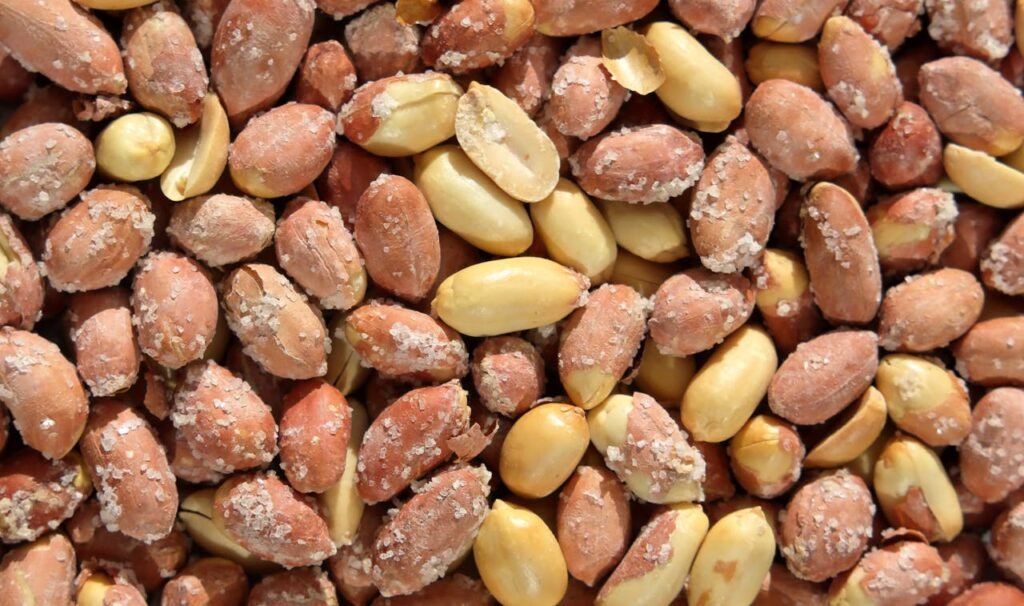
When buying from the shop, look for short ingredient lists. Avoid packs where “sugar” is listed before “peanuts.” Also, check for “hydrogenated oils,” which are a source of trans fats. The Mayo Clinic warns that trans fats can increase your risk of heart disease.
Seek out gluten-free nut snacks if you have coeliac disease, as some manufacturers use flour as a binding agent for the honey coating. Speaking of flour, Roasted Peanut Flour: Gluten-Free Baking and Nutritional Gains explores how peanut by-products can be used in healthier baking.
Agricultural Origins
Understanding where your food comes from connects you to the health of the planet. Peanuts are a sustainable crop. If you are a gardener, you might even consider Growing Your Own: Best Practices for Organic Peanut Seeds. Home-grown peanuts, roasted with a touch of honey, offer a flavour profile that store-bought versions cannot match.
Furthermore, for the smallholder, having the right equipment is vital. Essential Peanut Harvesting Tools for Small-Scale Growers covers what is needed to get the crop from soil to kitchen.
Tips for Incorporation and Sustainability
Integrating honey roasted peanuts into a diet requires strategy. Here are practical tips to enjoy them without compromising your health goals.
1. Use as a Garnish, Not a Main Event:
Instead of eating them by the handful, chop them up and sprinkle them over porridge or yoghurt. This provides the flavour and crunch without the excessive calories. They are fantastic energy boosting snacks when paired with complex carbohydrates.
2. Explore Alternatives:
If you find the sugar content too high, look for healthy nut snack alternatives. This might include dry-roasted nuts with spices like cinnamon or cayenne, which add flavour without calories. For a truly unique option, you might look into Peanut Sprouts: The New Superfood You Should Try, which offer a different nutrient profile entirely.
3. Understand the “Honey vs Sugar” Debate:
Is honey better? Nutritionally, honey contains trace minerals that white sugar lacks. However, the body processes them similarly. When analysing honey vs sugar coating, honey is preferable for its lower GI and antioxidant properties, but moderation remains key. Healthline notes that while honey is “less bad” than sugar, it is still an added sugar.
4. Consider the Ancestry:
To appreciate the peanut, it helps to know its history. Jungle Peanuts: Exploring the Wild Ancestor of Modern Legumes sheds light on the heirlooms that started it all. These wild varieties often have different nutritional densities compared to modern cultivars.
5. Waste Not, Want Not:
If you are shelling your own peanuts for roasting, do not throw the shells away. Peanut Shell Compost: Turning Waste into Nutrient-Rich Soil explains how to return those nutrients to the earth. Similarly, if you are in an agricultural setting, The Nutritional Benefits of Peanut Hay for Livestock offers a use for the plant matter.
The Bottom Line
So, are honey roasted peanuts healthy? The answer is nuanced. They are certainly healthier than a chocolate bar or a bag of crisps, offering protein, fibre, and healthy fats. However, they are less healthy than raw or dry-roasted peanuts due to the added sugar and oils.
To enjoy them responsibly, practice strict portion control. View them as a treat rather than a primary protein source. Opt for homemade versions where possible, or choose brands with minimal ingredients.
Remember that variety is key. Rotating honey roasted peanuts with other legumes and nuts ensures a broad intake of nutrients. The British Heart Foundation recommends a small handful of unsalted nuts daily, so if you choose the honey variety, be mindful of the extra sugar in the rest of your diet.
Whether you are snacking for energy or pleasure, understanding the balance between the natural goodness of the peanut and the indulgence of the honey roast allows you to make informed, healthy decisions.