Keeping your immune system in top shape is a priority for many of us, especially as the seasons change or when we feel run down. While no single food can prevent all illnesses, your diet plays a massive role in how well your body defends itself against pathogens.
We often reach for oranges or supplements when we feel a sniffle coming on. However, nature offers a tropical powerhouse that often flies under the radar: the guava. This delicious fruit is not just a treat for your taste buds; it is arguably one of the most nutrient-dense additions you can make to your diet to support your body's natural defences.
Understanding how nutrition impacts immunity is the first step toward better health. A balanced diet rich in vitamins and minerals helps your immune cells function effectively. According to the NHS, eating a wide variety of fruit and vegetables is essential for maintaining this protective barrier.
If you are looking to diversify your fruit bowl and give your immune health a significant boost, guava might be the answer. This article explores the science behind guava and how it supports your immune system.
What is Guava?
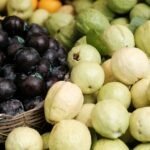
Guava is a tropical fruit native to Central and South America, though it is now grown in many warm climates worldwide. It typically features a green or yellow skin with flesh that ranges from white to deep pink or red, depending on the variety.
Historically, traditional medicine has utilised not just the fruit, but also the leaves and bark of the guava tree for various therapeutic purposes. Today, modern science backs up many of these traditional uses, particularly regarding the fruit's impressive nutritional profile.
It is distinctively fragrant and sweet, often described as a cross between a pear and a strawberry. Beyond its flavour, it is renowned for its incredible nutrient density. Just one serving provides a staggering amount of Vitamin C, fibre, and beneficial antioxidants.
For a broader look at the benefits of this fruit, Healthline offers a comprehensive guide on its general health impacts. However, its specific interaction with your immune system is what makes it truly special.
How Guava Supports Your Immune System
The immune system is a complex network of cells and proteins that defends the body against infection. Guava supports this network through several distinct mechanisms.
1. Exceptional Vitamin C Content
When we think of immunity, we think of Vitamin C. It is a vital nutrient that helps stimulate the formation of antibodies and enhances the function of white blood cells.
Guava is the undisputed king of Vitamin C. A single guava fruit contains approximately four times the amount of Vitamin C found in an orange. This high concentration is crucial because Vitamin C is water-soluble, meaning your body does not store it; you must consume it regularly.
The British Nutrition Foundation highlights that maintaining adequate Vitamin C levels is essential for protecting cells from oxidative stress. Regular consumption of guava ensures you easily meet your daily reference intake, providing your immune system with the fuel it needs to respond to invaders.
2. Rich in Antioxidants
Inflammation is a natural immune response, but chronic inflammation can weaken your immune system over time. Guava—especially the pink-fleshed variety—is rich in lycopene, a powerful antioxidant that gives the fruit its colour.
Antioxidants help neutralise harmful free radicals in the body. If left unchecked, these free radicals can cause cellular damage and contribute to chronic disease. By reducing oxidative stress, antioxidants like lycopene help keep your immune pathways clear and functioning correctly.
Research cited by Medical News Today suggests that lycopene may also play a role in modulating the immune response, preventing it from becoming overactive or underactive.
3. Antimicrobial Properties
It is not just the vitamins that help; the plant compounds in guava have direct antimicrobial effects. Studies have shown that guava extracts can be effective against harmful bacteria and viruses.
This is particularly true for guava leaves, which are often brewed into a tea. The leaves contain phenolic compounds that can inhibit the growth of bacteria such as Staphylococcus aureus.
A study archived by the National Center for Biotechnology Information (NCBI) indicates that these extracts have potential therapeutic applications in treating infectious diseases, acting as a natural support alongside conventional treatments.
4. Gut Health and Immunity
A surprising fact for many is that approximately 70% of your immune system resides in your gut. Therefore, a healthy digestive system is synonymous with a strong immune system.
Guava is an excellent source of dietary fibre. Fibre feeds the good bacteria in your microbiome. When these beneficial bacteria thrive, they can suppress the growth of harmful pathogens and communicate with immune cells to regulate responses.
Organisations like Heart UK emphasise that high-fibre diets are linked to lower risks of inflammation and better overall metabolic health. By promoting regular bowel movements and a healthy microbiome, guava indirectly fortifies your immune defences.
5. Reduces Duration of Colds
While Vitamin C cannot "cure" a cold, consistent intake can reduce the duration and severity of symptoms. Because guava provides such a potent dose, it is an efficient way to keep your tissue levels of Vitamin C saturated.
The Cochrane Library has analysed numerous trials regarding Vitamin C and the common cold. Their data suggests that regular supplementation (or high dietary intake) reduces cold duration by 8% in adults and 14% in children. Incorporating guava into your weekly routine is a tasty way to achieve this protective effect.
Nutrient Comparison: Guava vs. Common Fruits
To visualise just how powerful guava is compared to the fruits we typically associate with immune health, consider the following data. Note the disparity in Vitamin C levels.
| Nutrient (per 100g) | Guava | Orange | Kiwi | Strawberries |
|---|---|---|---|---|
| Vitamin C | 228 mg | 53 mg | 93 mg | 59 mg |
| Dietary Fibre | 5.4 g | 2.4 g | 3.0 g | 2.0 g |
| Sugar | 8.9 g | 9.0 g | 9.0 g | 4.9 g |
| Potassium | 417 mg | 181 mg | 312 mg | 153 mg |
Data reflects approximate values for raw fruit. Source: Standard nutritional databases.
Tips for Incorporating Guava into Your Diet
Adding this fruit to your routine is simpler than you might realise. Here are practical ways to enjoy it while maximising its immune-boosting potential.
Selection and Storage
When selecting a guava, look for fruit that gives slightly to gentle pressure, similar to a ripe avocado. The skin should be free of major blemishes, though small spots are normal. You can often smell a ripe guava before you see it—the aroma should be sweet and floral.
If the fruit is firm, let it ripen at room temperature for a few days. Once ripe, store it in the fridge to extend its shelf life by a few days.
Preparation Ideas
- Raw Snack: Simply rinse the fruit, slice it, and eat it—skin, seeds, and all. The skin contains even more Vitamin C than the flesh.
- Smoothies: The creamy texture of guava blends perfectly with bananas and yoghurt. This is a great way to mask the texture of the seeds if you find them gritty.
- Salads: Cubed guava adds a tropical twist to savoury fruit salads or green salads with a vinaigrette dressing.
- Guava Tea: If you can source fresh or dried guava leaves, steeping them in hot water creates a soothing, antimicrobial tea.
For more culinary inspiration, BBC Good Food offers excellent guidance on how to prepare and cook with exotic fruits.
A Note on Sugars
While guava is sweet, it has a relatively low Glycaemic Index (GI) compared to other tropical fruits. This makes it a safer option for maintaining stable blood sugar levels, which is important for overall health. Diabetes UK confirms that whole fruits are a healthy choice for diabetics, provided portion sizes are managed.
Frequently Asked Questions
Can you eat the seeds of a guava?
Yes, the seeds are edible and rich in fibre. However, they can be quite hard. If you have dental issues, you may prefer to scoop them out or blend the fruit into a smoothie.
Is guava skin safe to eat?
Absolutely. In fact, peeling the fruit removes a significant portion of the Vitamin C and antioxidants. Wash the fruit thoroughly and enjoy it whole for maximum benefit.
How much guava should I eat per day?
One medium-sized guava is sufficient to meet your daily Vitamin C requirements. Eating one to two fruits a day is safe for most people. Government guidelines from GOV.UK recommend at least 5 portions of a variety of fruit and vegetables every day.
Does guava interact with medications?
Guava is generally safe. However, like grapefruit, some evidence suggests it might interact with certain medications. If you are on strict medication regimens, consult your GP.
The Bottom Line
Guava is a nutritional powerhouse that deserves a spot in your fruit rotation. Its extraordinarily high Vitamin C content, combined with potent antioxidants like lycopene and immune-supporting fibre, makes it a superior choice for bolstering your body's defences.
Whether you eat it raw, blend it into a smoothie, or brew its leaves into tea, you are providing your body with the tools it needs to fight off infections and reduce inflammation.
Remember, a single food cannot replace a healthy lifestyle. Prioritise sleep, manage stress, and eat a balanced diet. But when you need that extra shield during cold and flu season, reaching for a guava is a scientifically sound—and delicious—choice.