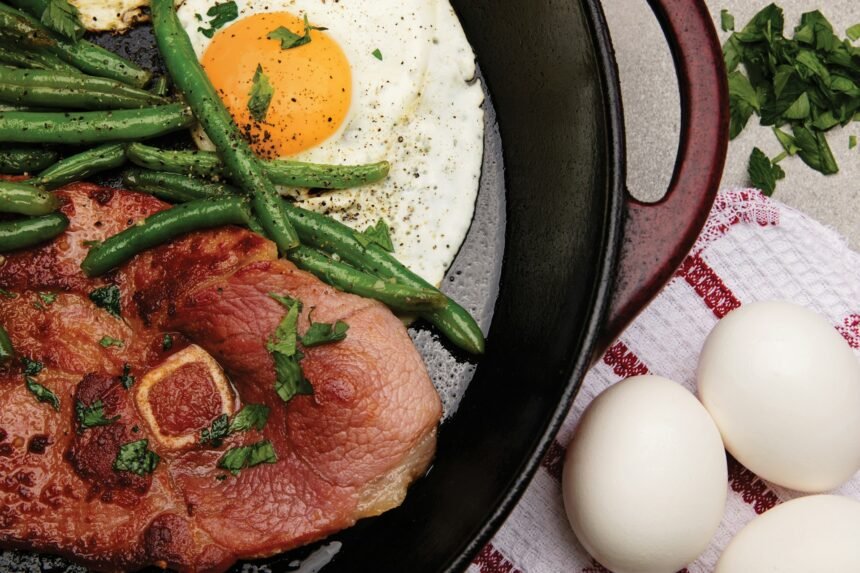
Green beans, also known as string beans or snap beans, are a staple vegetable in kitchens across the United Kingdom and globally. Celebrated for their satisfying crunch and vibrant colour, they are a versatile side dish that pairs effortlessly with everything from Sunday roasts to light grilled fish.
However, the line between a perfectly cooked, tender-crisp bean and a grey, mushy disappointment is surprisingly thin. Mastering how to cook green beans requires understanding the delicate balance of heat, timing, and water chemistry.
While roasting and sautéing are popular methods, boiling and steaming remain the gold standards for preserving the bean’s natural flavour profile and vibrant green hue. These aqueous cooking methods, when executed correctly, enhance digestibility while retaining essential vitamins.
This guide explores the science and technique behind boiling and steaming green beans, ensuring you achieve professional results every time.
Nutritional Overview: Why Green Beans Matter
Before diving into the cooking methods, it is essential to understand what you are preserving. Green beans are a nutritional powerhouse, low in calories but dense in micronutrients.
According to the USDA FoodData Central, a standard cup of raw green beans contains roughly 31 calories, making them an excellent choice for weight management. They are packed with fibre, which supports digestive health and blood sugar regulation.
Key nutrients include:
- Vitamin K: Essential for blood clotting and bone health. A single serving provides a significant portion of your daily requirement. Healthline notes that Vitamin K plays a critical role in preventing bone fractures.
- Vitamin C: A potent antioxidant that boosts the immune system and aids in collagen production.
- Folate (Vitamin B9): Crucial for cell division and DNA synthesis.
Proper cooking techniques are vital because overcooking can degrade heat-sensitive nutrients like Vitamin C and folate. Conversely, undercooking can leave the beans tough and difficult to digest.
Preparation: The Foundation of Flavour
Regardless of whether you choose to steam or boil, proper preparation is non-negotiable.
Selection and Cleaning
Start with fresh beans. Look for pods that are firm, vibrant green, and free from brown spots or blemishes. They should snap audibly when bent. Avoid beans that look withered or feel rubbery, as this indicates dehydration and age.
Wash the beans thoroughly under cold running water to remove any surface dirt or potential residues. According to the NHS Live Well guidelines, proper washing is a key step in food safety for all fresh produce.
Trimming
Trim the stem end (the woody part that attached to the plant). The tapered ‘tail’ is edible and can be left on for a rustic appearance, though some chefs prefer to remove it for uniformity. You can snap the ends off by hand or line them up and cut them with a chef’s knife for efficiency.
Method 1: Boiling (Blanching)
Boiling is often misunderstood as a method that leeches out flavour. However, when done as ‘blanching’—a rapid boil followed by an ice bath—it is the premier method for setting the bright green colour and achieving a perfect texture.
The Process
- Water Volume: Use a large pot. You need enough water so that the temperature does not drop drastically when the beans are added. Bring it to a rolling boil.
- Salting: Generously salt the water. It should taste like seawater. This not only seasons the beans from the inside out but also helps soften the cellulose (plant fibre).
- Cooking: Add the beans carefully. Cook for 3 to 5 minutes. The exact time depends on the thickness of the bean (haricots verts will cook faster than standard runners).
- Testing: Taste a bean at the 3-minute mark. It should be ‘al dente’—tender but with a distinct snap.
The Science of Colour
The vibrant green colour of beans comes from chlorophyll. Prolonged exposure to heat and acids naturally released by the plant can turn chlorophyll into pheophytin, which is olive-grey. Boiling in ample, salted water dilutes these acids, keeping the beans green. More on chlorophyll stability can be found in studies archived by PubMed.
The Ice Bath (Shocking)
This is the secret weapon of professional kitchens. Prepare a bowl of ice and cold water while the beans boil. As soon as the beans are cooked, drain them and immediately plunge them into the ice bath.
This stops the cooking process instantly (carryover cooking would otherwise turn them mushy) and locks in the bright green colour. Once cool (about 2 minutes), drain and pat dry.
Method 2: Steaming
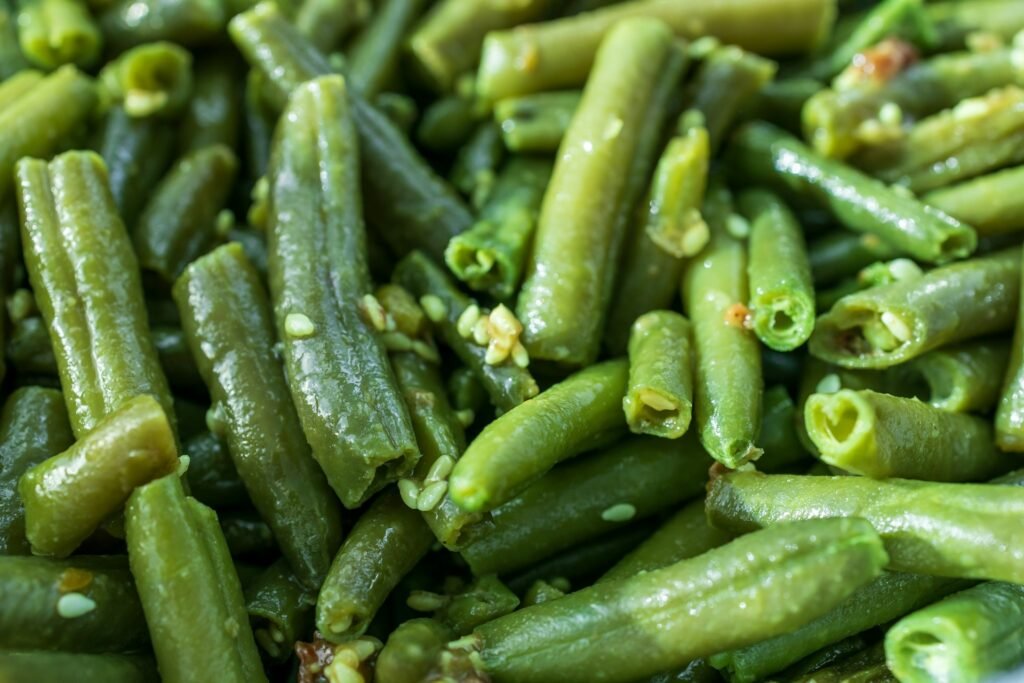
Steaming is a gentler cooking method. Because the beans are not submerged in water, there is less leaching of water-soluble vitamins like Vitamin C and B-complex vitamins.
The Process
- Setup: Place a steamer basket into a pot with 2-3 centimetres of water. Ensure the water level is below the bottom of the basket so the beans aren’t boiling.
- Heat: Bring the water to a boil and cover the pot to generate steam.
- Cooking: Add the prepared green beans to the basket. Cover with a tight-fitting lid. Steam for 4 to 6 minutes.
- Texture Check: Steamed beans may retain a slightly earthier flavour and firmer texture compared to boiled beans.
Why Choose Steaming?
If nutrient retention is your primary goal, steaming is superior. Research from sources like Medical News Today suggests that steaming preserves the highest levels of antioxidants compared to boiling or frying. However, it can be harder to season the beans evenly since they aren’t absorbing salty water.
Comparison: Boiling vs. Steaming
| Feature | Boiling (Blanching) | Steaming |
|---|---|---|
| Texture | Crisp-tender, uniform tenderness | Slightly firmer, potentially uneven |
| Colour | Vivid, bright green (if shocked) | Bright, but can dull quickly |
| Nutrient Retention | Moderate (some loss to water) | High (minimal loss) |
| Seasoning | Evenly seasoned via salted water | Requires surface seasoning after cooking |
| Best For | Salads, meal prep, freezing | Immediate eating, maximum nutrition |
Practical Tips for Success
Cooking the beans is only half the battle. How you finish them determines the quality of the dish. Here are practical tips to elevate your green beans.
Seasoning and Fats
Green beans contain fat-soluble vitamins (like Vitamin K). To maximise absorption, pair them with a healthy fat source.
- Olive Oil: Drizzle extra virgin olive oil over steamed beans.
- Butter: A classic knob of butter adds richness.
- Acid: A squeeze of fresh lemon juice brightens the earthy flavour.
Consult the British Heart Foundation for guidance on heart-healthy fats to use in your cooking.
Food Safety and Toxins
Raw green beans contain lectins, specifically phytohaemagglutinin, which can cause nausea and vomiting if consumed in large quantities. While levels are lower in green beans than in kidney beans, they must still be cooked to deactivate these compounds. The FDA provides guidelines on safely preparing fresh produce to avoid foodborne illness.
Storage and Leftovers
- Refrigerator: Cooked beans can be stored in an airtight container for 3-5 days.
- Freezer: If you have a glut of beans, blanch them for 2 minutes, shock in ice water, dry thoroughly, and freeze. This is the only way to prevent enzyme action from degrading the beans in the freezer.
The Bottom Line
Mastering how to cook green beans is a fundamental culinary skill that yields significant health benefits.
Boiling (specifically blanching and shocking) offers the best control over texture and visual appeal, making it ideal for dinner parties, salads, and meal prep. Steaming, conversely, is the superior choice for preserving delicate water-soluble nutrients.
By following these professional techniques—generous salting, precise timing, and the use of an ice bath—you can transform a humble vegetable into a highlight of your meal.
Whether you are looking to increase your fibre intake, as recommended by the Mayo Clinic, or manage glycemic load (Harvard Health), properly cooked green beans are a delicious vehicle for nutrition.
Remember to wash your produce thoroughly (CDC) and enjoy the versatility this vibrant vegetable brings to your table. For more recipe inspiration, trusted UK resources like BBC Good Food offer excellent serving suggestions to pair with your perfectly cooked beans.