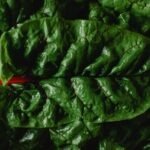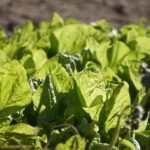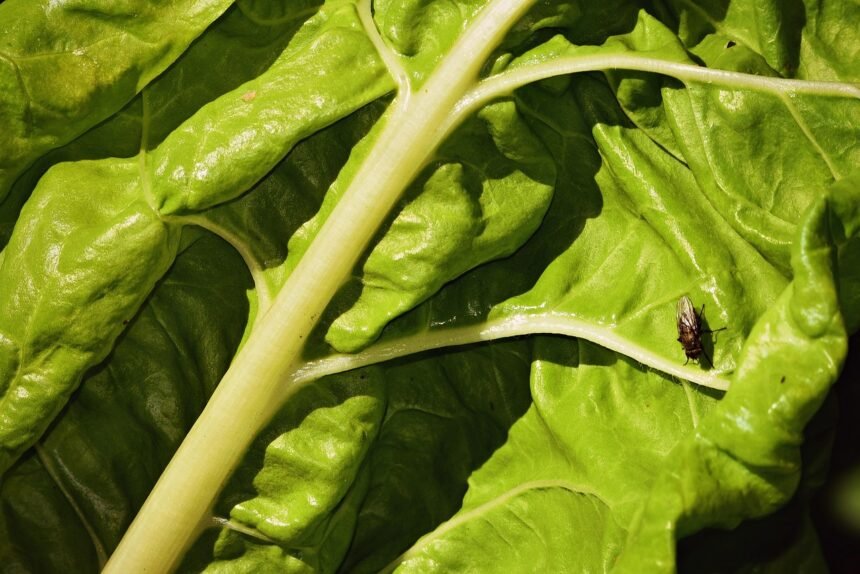
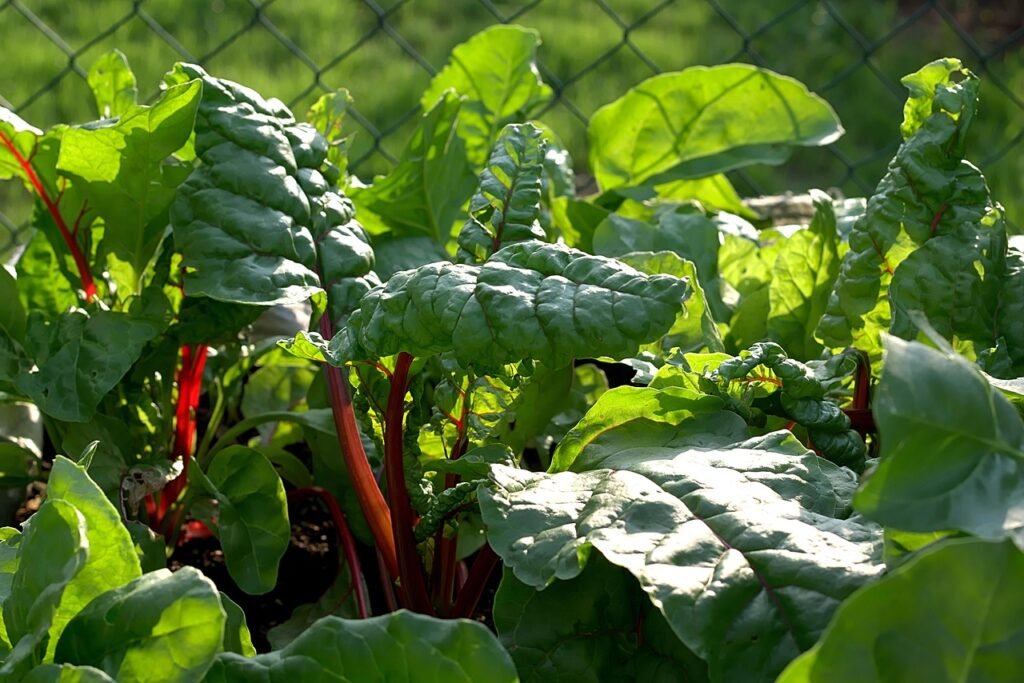
Swiss chard is a powerhouse vegetable often overshadowed by its popular cousins, kale and spinach. Known scientifically as Beta vulgaris subsp. vulgaris, this leafy green belongs to the Chenopodioideae subfamily, making it a relative of beets, though it does not produce an edible root bulb. Instead, it is prized for its large, tender leaves and thick, crunchy stalks that range in color from white and yellow to vibrant red and pink.
Understanding how to cook Swiss chard is essential not only for maximizing its delicate, earthy flavor but also for retaining its impressive nutritional profile. While raw chard is edible, cooking it softens the fibrous stems, reduces bitterness, and can actually enhance the bioavailability of certain nutrients. Moreover, proper preparation methods are crucial for managing antinutrients like oxalates, which can be a concern for specific populations. This guide explores evidence-based preparation methods to help you incorporate this nutrient-dense green into a balanced diet rich in leafy greens.
The Nutritional Profile of Swiss Chard
Before diving into culinary techniques, it is important to understand what you are preserving. Swiss chard is a nutrient-dense food, meaning it provides a high amount of vitamins and minerals for very few calories. According to the USDA FoodData Central, a single cup of cooked Swiss chard provides over 700% of your daily value for Vitamin K.
Vitamins and Antioxidants
Swiss chard is exceptionally rich in Vitamin K1, which is vital for blood clotting and bone health. You can learn more about the importance of this nutrient in our guide to preventing Vitamin K deficiency. Additionally, it serves as an excellent source of Vitamin A (in the form of beta-carotene) and Vitamin C. These vitamins act as powerful antioxidants, protecting your cells from oxidative stress and inflammation. Research from Harvard T.H. Chan School of Public Health emphasizes that dietary antioxidants are far more effective than supplements in preventing chronic diseases.
Essential Minerals
Beyond vitamins, chard is a significant source of magnesium, potassium, and iron. Magnesium is crucial for muscle and nerve function, blood sugar control, and blood pressure regulation. Incorporating foods high in magnesium like chard can support overall metabolic health. The iron found in chard is non-heme iron; while this form is less easily absorbed than the heme iron found in meat, cooking chard and pairing it with Vitamin C-rich foods can significantly improve absorption rates, a topic covered in our article on plant-based iron sources.
Selecting and Preparing Swiss Chard
The first step to a healthy dish is proper selection and cleaning. When shopping, look for leaves that are vibrant and firm. Avoid leaves that are yellowing, wilting, or have holes. The stalks should be crisp and unblemished. Swiss chard is often sold in bunches; “Rainbow Chard” is simply a bundle of different colored varieties sold together.
Proper Cleaning Techniques
Like many greens grown close to the ground, Swiss chard can trap sand and soil in its leaves and stems. The CDC recommends washing leafy greens thoroughly under running water to remove dirt and potential contaminants. For chard, the most effective method is the submersion technique:
- Fill a large bowl or clean sink with cold water.
- Separate the leaves and submerge them, swishing gently to loosen grit.
- Let the greens sit for a minute so the dirt settles to the bottom.
- Lift the greens out (do not drain the water, or the dirt will redeposit) and rinse.
- Repeat if the water is cloudy.
Separating Stems and Leaves
One common mistake when cooking chard is treating the stem and the leaf as identical ingredients. The stems are thick and fibrous, requiring a longer cooking time than the delicate leaves. For the best texture, use proper kitchen knife skills to separate the ribs from the leaves. Fold the leaf in half lengthwise and slice out the thick stem. Chop the stems into small, uniform pieces (about half an inch) so they cook evenly. Roughly chop the leaves separately.
Method 1: Sautéing for Flavor and Fat-Soluble Vitamin Absorption
Sautéing is perhaps the most popular method for cooking Swiss chard because it caramelizes the natural sugars in the stems and creates a savory, tender dish. From a health perspective, sautéing is highly beneficial because it involves the use of cooking oils.
Vitamins A and K are fat-soluble, meaning they require dietary fat to be absorbed by the body. Cooking chard in a healthy fat, such as extra virgin olive oil or avocado oil, significantly increases the amount of these vitamins your body can utilize. You can read more about choosing the right lipids in our guide to heart-healthy cooking oils.
Instructions:
- Heat 1 tablespoon of olive oil in a large skillet over medium heat.
- Add the chopped stems first. Cook them for 3-5 minutes until they begin to soften.
- Add minced garlic or onions for flavor and anti-inflammatory benefits.
- Add the chopped leaves in batches. They will appear voluminous but will wilt down rapidly.
- Sauté for another 3-4 minutes until the leaves are tender but still bright green.
- Season lightly with sea salt and a squeeze of lemon juice.
The American Heart Association suggests that replacing saturated fats with healthy unsaturated fats during cooking can improve cardiovascular health.
Method 2: Steaming to Preserve Water-Soluble Nutrients
If your primary goal is to maximize the retention of Vitamin C and minimize added calories, steaming is the gold standard. Vitamin C is heat-sensitive and water-soluble, meaning it can degrade under high heat or leach out into boiling water. Steaming cooks the vegetable gently with indirect heat.
A study published via the National Institutes of Health (PubMed) found that steaming vegetables resulted in the highest retention of Vitamin C and glucosinolates compared to boiling or frying. This makes steaming an excellent choice for those following an anti-inflammatory diet focused on maximizing antioxidant intake.
Instructions:
- Fill a pot with one inch of water and bring to a simmer.
- Place a steamer basket in the pot, ensuring the water doesn’t touch the bottom of the basket.
- Add the chopped stems first, steaming for 2-3 minutes.
- Add the leaves on top of the stems and cover the pot tightly.
- Steam for an additional 2-3 minutes. The greens should remain vibrant.
- Remove immediately to prevent overcooking.
Method 3: Boiling to Reduce Oxalates
While boiling is often criticized for nutrient loss, it serves a specific and important medical purpose regarding Swiss chard. Chard is high in oxalates, natural compounds that can bind to calcium and potentially form kidney stones in susceptible individuals. The Cleveland Clinic notes that high-oxalate foods should be consumed with caution by those with a history of calcium-oxalate stones.
Boiling Swiss chard allows a significant portion of the oxalates to leach out of the leaves and into the cooking water. By discarding the water, you effectively reduce the oxalate content of the vegetable. This method is often recommended for individuals focusing on kidney stone prevention while still wanting to enjoy leafy greens.
Instructions:
- Bring a large pot of salted water to a rolling boil.
- Add the stems and boil for 2 minutes.
- Add the leaves and boil for another 2-3 minutes.
- Drain the chard thoroughly in a colander.
- Crucial Step: Discard the cooking water. Do not use it for soup stocks, as it now contains the leached oxalates.
While some water-soluble vitamins are lost, the mineral content (calcium, magnesium) remains relatively stable, and the fiber content, which promotes digestive health as noted by the Mayo Clinic, is preserved.
Method 4: Braising for Fiber and Digestion
Braising involves cooking the chard slowly in a small amount of liquid. This breaks down the tough cellulose fibers more thoroughly than sautéing or steaming, making the vegetable easier to digest for those with sensitive stomachs. It creates a tender, melting texture that works well as a side dish.
Instructions:
- Sauté aromatics (onion, garlic) in a pot.
- Add the chard stems and leaves.
- Add roughly 1/2 cup of vegetable broth or water.
- Cover and simmer on low heat for 10-15 minutes.
Because the liquid is consumed with the greens in a braise (unlike boiling), water-soluble vitamins are retained in the sauce. However, this also means oxalates remain in the dish.
Enhancing Flavor Without Sodium
Swiss chard has a naturally salty flavor profile due to its mineral content (sodium is a mineral, though chard is not “high sodium” in the processed food sense). Consequently, it requires less added salt than other greens. Over-salting can negate the cardiovascular benefits of the vegetable. Instead, focus on using acids and herbs.
Lemon juice, apple cider vinegar, or a splash of balsamic vinegar can brighten the earthy flavor of the chard. Red pepper flakes add heat, while toasted nuts (like pine nuts or walnuts) add texture. Utilizing these low-sodium seasoning techniques ensures the dish remains heart-healthy.
Storage and Safety
Proper storage extends the shelf life of your produce and reduces food waste. Unwashed chard should be stored in the refrigerator in a plastic bag with a paper towel to absorb excess moisture. It typically lasts 3 to 5 days. Cooked chard can be stored in an airtight container for up to 3 days.
According to the Academy of Nutrition and Dietetics, keeping fresh produce at the correct temperature (below 40°F or 4°C) is vital for slowing bacterial growth. If you are engaging in weekly meal planning, consider blanching and freezing chard if you cannot eat it within a few days of purchase.
Who Should Limit Swiss Chard?
While healthy for most, chard’s high Vitamin K content can interact with blood-thinning medications like warfarin. The National Institutes of Health (NIH) advises that consistency is key; patients on these medications should maintain a steady intake of Vitamin K rather than avoiding it entirely or fluctuating wildly. Always consult a healthcare provider regarding diet changes if you manage a chronic condition.
Furthermore, as mentioned regarding oxalates, the National Kidney Foundation suggests pairing oxalate-rich foods with calcium-rich foods (like yogurt or cheese) during the meal. The calcium binds to the oxalate in the stomach and intestines before it reaches the kidneys, reducing stone risk.
Takeaway
Swiss chard is a versatile, nutrient-dense vegetable that can support bone health, heart health, and antioxidant defenses. The “best” way to cook it depends on your specific health goals. Sautéing with healthy fats maximizes Vitamin A and K absorption. Steaming preserves the most Vitamin C. Boiling helps reduce oxalate content for those prone to kidney stones. By understanding these chemical interactions, you can tailor your preparation methods to suit your dietary needs, ensuring that this vibrant green becomes a delicious staple in your kitchen.