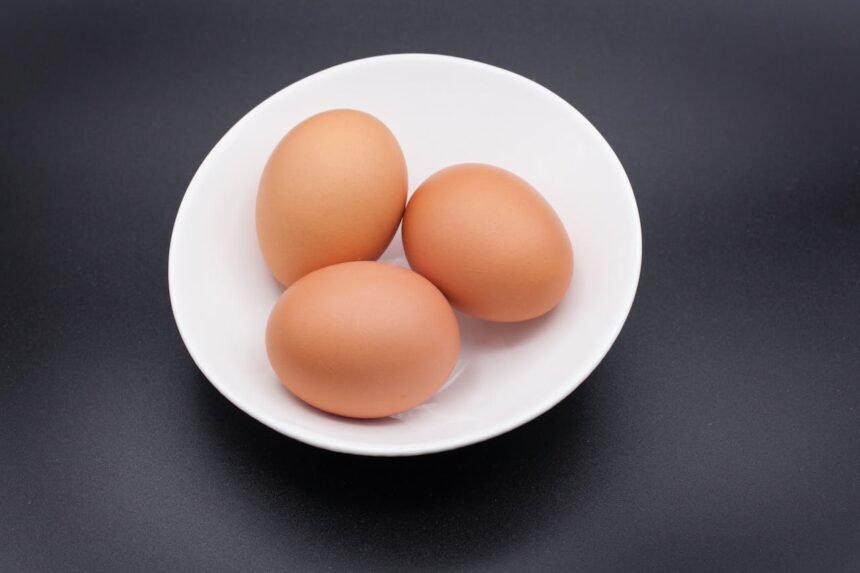
Imagine the scenario. It is a lazy Sunday morning, and you have decided to whip up a classic cooked breakfast. You have the bacon sizzling and the toast ready, but as you reach for the carton of eggs in the fridge, you hesitate.
There is no date stamped on the shells. You cannot quite remember when you bought them. Are they from last week’s shop, or have they been sitting there for a month? We have all faced this kitchen dilemma. Throwing them away feels like a waste, especially when we are collectively trying to focus on reducing food waste. However, the risk of cracking a rotten egg into your frying pan—or worse, consuming one—is not a gamble worth taking.
Fortunately, you do not need a science degree to determine if your eggs are safe to eat. There are several simple, proven methods to check for freshness without cracking the shell. The most reliable among them is the sink-or-float water test. This article explores how to tell if an egg is bad, the science behind the spoilage, and the best practices for keeping your eggs fresh and safe.
What Is the Sink-or-Float Water Test?
The sink-or-float test is a simple, time-honoured method used by home cooks and chefs alike to gauge the age of an egg. It relies on simple physics rather than guesswork.
As an egg ages, the protective shell, which is porous, allows air to seep inside. Simultaneously, some of the liquid content inside the egg evaporates. This process creates an air pocket, usually located at the wider end of the egg. Over time, as more air enters and more moisture leaves, this air pocket expands. The larger the pocket becomes, the more buoyant the egg becomes.
Fresh eggs have very little air inside them, making them denser than water. Old eggs have a large volume of air, reducing their overall density. This difference in density is what makes the water test so effective for determining the shelf life of eggs.
However, it is vital to note that while this test determines age, it does not strictly determine safety. An egg can be old and buoyant but still safe to eat if it has been stored correctly. Conversely, a fresh egg contaminated with Salmonella might sink perfectly. Therefore, this test should be part of a broader safety check.
How to Perform the Test
Checking your eggs takes less than two minutes. Follow these simple steps to sort the good from the bad:
- Prepare a Bowl: Fill a deep bowl or tall glass with cold tap water. Ensure there is enough water to completely submerge the egg with room to spare.
- Gently Place the Egg: Carefully lower the egg into the water. Do not drop it, as you risk cracking the shell and contaminating the water.
- Observe the Position: Watch how the egg settles in the water.
Interpreting the Results
- The Egg Sinks to the Bottom and Lies Flat: This is a very fresh egg. The air pocket is tiny. These eggs are ideal for poaching or frying, where you want the yolk to sit high and the white to remain compact.
- The Egg Sinks but Stands Upright: This egg is older but still good. It is likely a few weeks old. The air pocket has grown enough to tilt the egg, but not enough to make it float. These are perfect for hard-boiling, as the shell will peel away more easily than with a fresh egg.
- The Egg Floats to the Surface: This egg is likely bad or very old. The air pocket is large enough to make the egg buoyant. While a floating egg is not guaranteed to be rotten, it is generally safer to discard it to avoid any risk of bacterial growth.
Other Methods to Check for Freshness
If you do not have a bowl of water to hand, or if you want a second opinion, there are other ways to inspect your eggs. Combining methods is the best way to ensure safety.
1. The Sniff Test
This is the oldest and most reliable method of all. A rotten egg has a distinct, unmistakable sulphur odour.
If the float test leaves you unsure, crack the egg into a separate clean bowl. Give it a good sniff. If it smells pungent, sour, or gassy, throw it away immediately. If it smells neutral, it is likely safe. Trust your nose; it is evolutionarily designed to detect spoilage.
2. Visual Inspection
Before you even crack the egg, check the shell.
- Cracks: If the shell is cracked or slimy, discard the egg. Cracks allow bacteria to enter.
- Powdery Residue: A powdery layer on the shell can indicate mould.
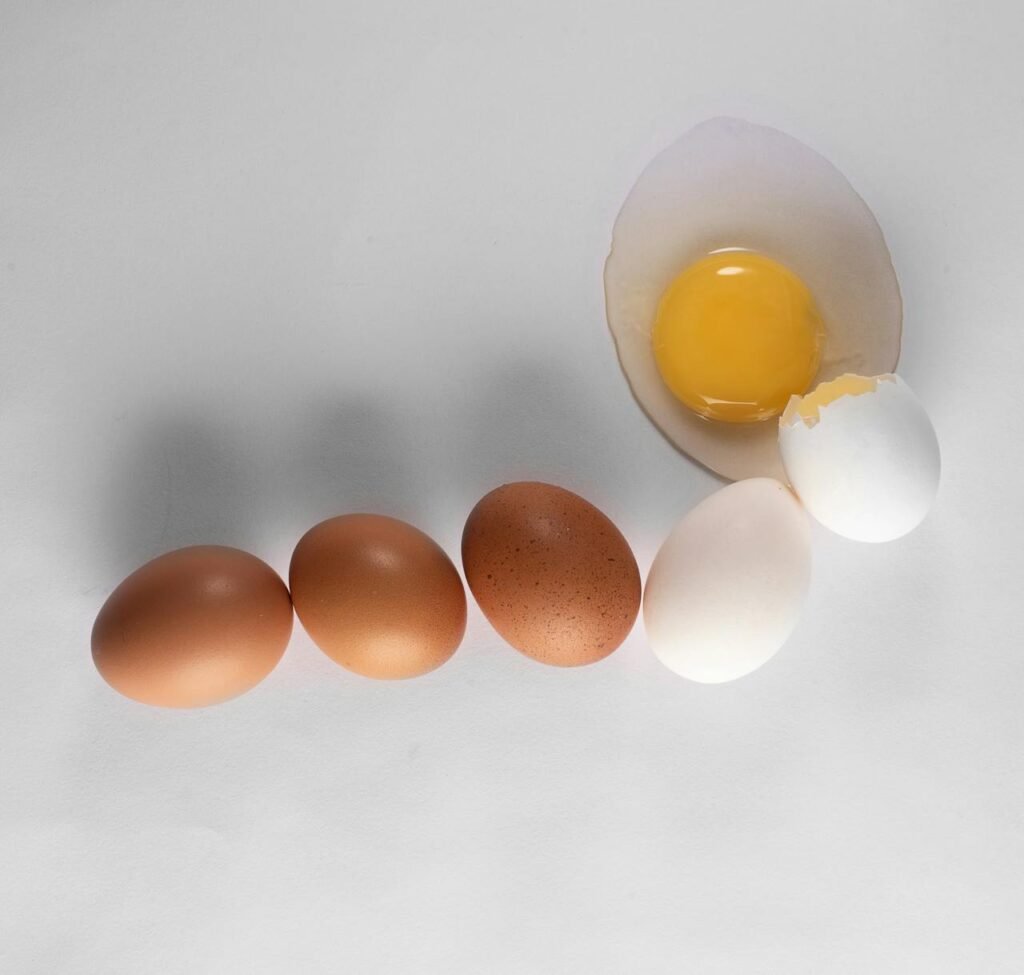
Once cracked, look at the yolk and white. A fresh egg has a bright yellow or orange yolk that sits high. The white should be thick and cloudy. If the yolk is flat and breaks easily, or if the white is watery and runny, the egg is old. If you see any pink, blue, or green discolouration inside, throw it out, as this indicates advice from the Food Standards Agency regarding bacterial or fungal growth.
3. The Candle Test
Candling is used industrially but can be done at home. Hold a bright torch up to the large end of the egg in a dark room. You can see the air cell inside. If the air cell is less than 3mm deep, it is fresh. If it is large and the yolk moves freely, the egg is old.
Understanding UK Date Codes
In the UK, understanding the print on the carton is your first line of defence. However, confusion between labels often leads to unnecessary waste.
- Best Before Date: This is about quality, not safety. You can technically eat eggs after this date if they are cooked thoroughly, though the texture and flavour may degrade.
- Use By Date: This is about safety. You should never consume food past a ‘Use By’ date.
British eggs often carry the Lion Mark. This stamp indicates the eggs have been produced under the stringent requirements of the British Lion Quality Mark, which includes vaccination of hens against Salmonella. This scheme has effectively eliminated Salmonella from UK flocks, making British eggs among the safest in the world.
According to food labelling regulations, eggs must reach the consumer within 21 days of laying, but the Best Before date is usually set at 28 days.
Comparison of Egg Freshness Indicators
The table below summarises how to categorise your eggs based on different observations.
| Indicator | Very Fresh Egg | Older (Edible) Egg | Bad / Expired Egg |
|---|---|---|---|
| Float Test | Sinks flat to the bottom. | Sinks but stands vertically. | Floats on the surface. |
| White Texture | Thick, viscous, cloudy. | Thinner, spreads slightly. | Watery, very runny, clear. |
| Yolk Shape | High, round, firm. | Flatter, fragile. | Breaks instantly, flat. |
| Smell | Neutral / No odour. | Neutral. | Strong sulphur / sour smell. |
| Best Use | Poaching, Frying. | Boiling, Baking, Scrambling. | Composting / Bin. |
Tips for Storing Eggs Correctly
Proper storage is crucial for extending shelf life and preventing illness. Even fresh eggs can go bad quickly if mishandled.
- Keep Them in the Fridge: In the UK, supermarkets often store eggs on ambient shelves, but you should refrigerate them at home. Consistent temperatures below 20°C (ideally below 4°C) dramatically slow bacterial growth.
- Avoid the Fridge Door: It is tempting to use the built-in egg rack in the door, but this is the worst place for them. The temperature fluctuates every time you open the fridge. Store them in the main body of the fridge where the temperature is stable.
- Keep Them in the Carton: The original carton protects the eggs from absorbing strong odours from other foods and prevents moisture loss. It also keeps the Best Before date visible.
- Do Not Wash Eggs: Washing eggs can remove the protective cuticle (bloom) on the shell, making it easier for bacteria to penetrate. This is a key point emphasised by food safety risks organisations.
Frequently Asked Questions
Can I eat an egg if it floats?
A floating egg is very old, but not necessarily rotten. However, the risk is higher. It is generally recommended to discard floating eggs to be safe. If you must use it, crack it into a bowl first and perform a rigorous sniff test.
What happens if I eat a bad egg?
Consuming a rotten egg can lead to food poisoning, typically caused by Salmonella or other bacteria. Symptoms include nausea, vomiting, diarrhoea, and stomach cramps, usually appearing within 6 to 48 hours.
Can I freeze eggs?
Yes, you can freeze eggs to extend their life, but never in the shell. Crack them into a container, whisk them, and freeze the liquid. This is excellent for using up leftover ingredients before they expire.
Are cracked eggs safe to use?
If an egg cracks on the way home from the shop, transfer it to a clean container and use it within 24 hours. If you find an egg that was already cracked in the box, discard it, as bacteria may have entered.
Is the ‘Best Before’ date a hard limit?
Not necessarily. If your eggs have been stored correctly in the fridge, they can often be eaten safely a few days after the date. Always use the water test and sniff test to confirm. However, the British Nutrition Foundation advises caution for vulnerable groups.
The Bottom Line
Knowing how to tell if an egg is bad is a fundamental kitchen skill that saves money and protects your health. While date labels serve as a useful guide, they are not the absolute authority on freshness.
The sink-or-float test remains the quickest and easiest way to check the age of an egg. Remember: if it sinks, it is fresh; if it floats, it is best to toss it. However, always trust your nose. If an egg smells bad, it is bad. By storing your eggs in the main body of the fridge and handling them with care, you can ensure your breakfast is always delicious and safe. When in doubt, throw it out to avoid preventing contamination issues.