


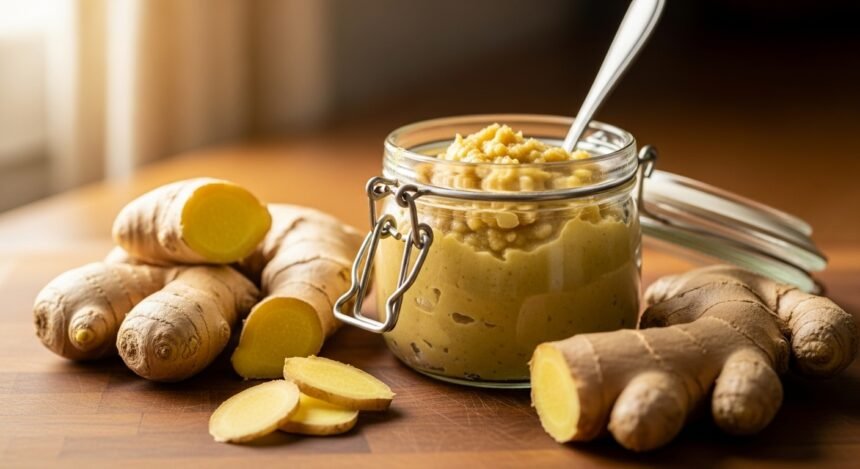
Ginger is a powerhouse ingredient, revered for centuries in both culinary and medicinal traditions. While the fresh root is iconic, ginger paste has emerged as a kitchen staple for the modern cook. It offers the same fiery warmth and zest without the tedious peeling and chopping.
Whether you are looking to expedite your weeknight dinners or ensure you always have aromatics on hand, understanding how to use ginger paste can transform your culinary repertoire. This guide explores the benefits, applications, and methods for integrating this versatile ingredient into your daily routine.
Overview
Ginger (Zingiber officinale) is a flowering plant whose rhizome, or ginger root, is widely used as a spice and a folk medicine. Ginger paste is simply the blended form of this rhizome, often combined with a small amount of oil or an acidic agent to preserve its freshness.
Using paste instead of fresh root is arguably the ultimate instant ginger hack. It saves time while delivering the characteristic spicy, peppery flavour that defines so many Asian, Indian, and Caribbean dishes. Beyond convenience, ginger paste retains the bioactive compound gingerol, responsible for much of the plant’s medicinal properties.
For those interested in the raw source material, you might want to read about Fresh Ginger: Selection, Storage, and Health Uses. However, for the busy professional or parent, the paste form offers a practical compromise between flavour and time management.
Symptoms and Causes: Why Your Diet Needs Ginger
While we typically associate “symptoms” with illness, in a culinary context, the symptoms of a diet lacking aromatics like ginger are bland flavours and missed opportunities for digestive support. The “cause” is often the inconvenience of preparing fresh ingredients daily.
The Health Gap
Many of us struggle with inflammation or sluggish digestion. Incorporating anti-inflammatory spices like ginger into daily meals is a proactive way to manage wellness.
Research has shown that ginger has potent antioxidant and anti-inflammatory effects. According to the National Center for Biotechnology Information (NCBI), gingerol can help reduce oxidative stress, which is the result of having an excess amount of free radicals in the body.
Learn more about ginger bioactivity here.
Furthermore, ginger is one of the most reliable digestive aids in cooking. It is well-documented for its ability to alleviate nausea and improve gastric motility. If you often rely on liquids for digestion, you might check How to Make Ginger Juice for Better Digestion, but using paste in solid food is equally effective.
The Convenience Factor
A major barrier to cooking healthy meals from scratch is preparation time. Peeling knobbly ginger roots can be frustrating. This is where organic ginger root paste becomes essential. It removes the friction of preparation, meaning you are more likely to cook nutritious meals at home rather than ordering takeaway.
If you are keen on understanding the differences between processed forms, our article on Dried Ginger vs Fresh: Which is Better for You? offers a deep dive. However, the paste sits comfortably in the middle—offering the hydration of fresh ginger with the shelf-stability of a pantry item.
Treatment and Management: Culinary Applications
Treating your palate to ginger paste requires understanding when and how to add it during the cooking process. Unlike dried powder, the paste contains water, which affects how it interacts with heat.
1. The Foundation of Curries
In South Asian cuisine, ginger is rarely used alone. It is part of the “holy trinity” alongside garlic and onion. Understanding the correct ginger garlic paste ratio is crucial; typically, a 1:1 ratio is standard, though some prefer a slightly higher garlic content.
This mixture is one of the absolute Indian cooking essentials. To release the flavours, add the paste to hot oil after your onions have softened but before adding powdered spices. Fry it until the raw smell disappears—usually about 30 to 60 seconds. This technique prevents the paste from tasting metallic or overly sharp.
For those who love intense flavours, you might be interested in Understanding the Uses of Potent Ginger Extract, which is even more concentrated than standard culinary pastes.
2. Marinades and Tenderising
Ginger contains enzymes that can help break down proteins, making it excellent for marinating meat with ginger.
Mix ginger paste with soy sauce, sesame oil, and lime juice for a vibrant marinade suitable for chicken, beef, or tofu. The paste coats the protein more evenly than chopped ginger, ensuring every bite is infused with flavour.
According to the USDA, marinating meat can also reduce the formation of harmful compounds during high-heat cooking.
Check the USDA food data here.
3. Stir-Frys and Sautés
Using ginger paste in stir fry dishes is a brilliant way to add zing without biting into a large chunk of root. Add the paste towards the beginning of the cooking process with your aromatics.
Because commercial pastes often contain salt or vinegar for preservation, be mindful of your overall seasoning. If you are using a very hot wok, be careful not to burn the paste; it creates a bitter taste rapidly.
For a different profile, consider the nuances of other ginger varieties. Our guide on Blue Ginger: Identification and Health Benefits explores a variety that is often used in paste form in Southeast Asian cooking.
4. Soups and Broths
Stirring a teaspoon of ginger paste into chicken soup or vegetable broth can transform a plain dish into a warming remedy. This is particularly effective during cold and flu season.
The National Health Service (NHS) in the UK notes that ginger can be used to treat nausea and vomiting, making these soups ideal for recovery.
Read NHS guidance on motion sickness and nausea.
If you prefer liquid remedies, you might also enjoy Soothing Your Stomach with Ginger Root Tea, but a ginger-paste-infused broth is a more substantial meal option.
5. Smoothies and Teas
Surprisingly, ginger paste can be used in sweet applications. A small dab can be blended into smoothies for a spicy kick. However, ensure your paste does not contain garlic or heavy oils if using it this way.
For those with a sweet tooth, check out Ginger Syrup Recipes for Drinks and Desserts or Candied Ginger: Sweet Treat or Health Remedy? for alternative ideas.
Tips for Selection, Storage, and Usage
To get the most out of ginger paste, quality and storage are paramount. Poorly stored paste can spoil or lose its potency.
Making Your Own vs. Buying
While store-bought is convenient, making your own allows you to control the ingredients.
To make it at home:
- Peel fresh ginger root.
- Chop into small cubes.
- Blend with a tablespoon of neutral oil and a pinch of salt.
- The oil acts as a barrier to oxygen, aiding in preserving aromatics.
If you are interested in the source, you could even grow the rhizomes yourself. Read The Ultimate Guide to Ginger Plant Care at Home to get started.
Storage Solutions
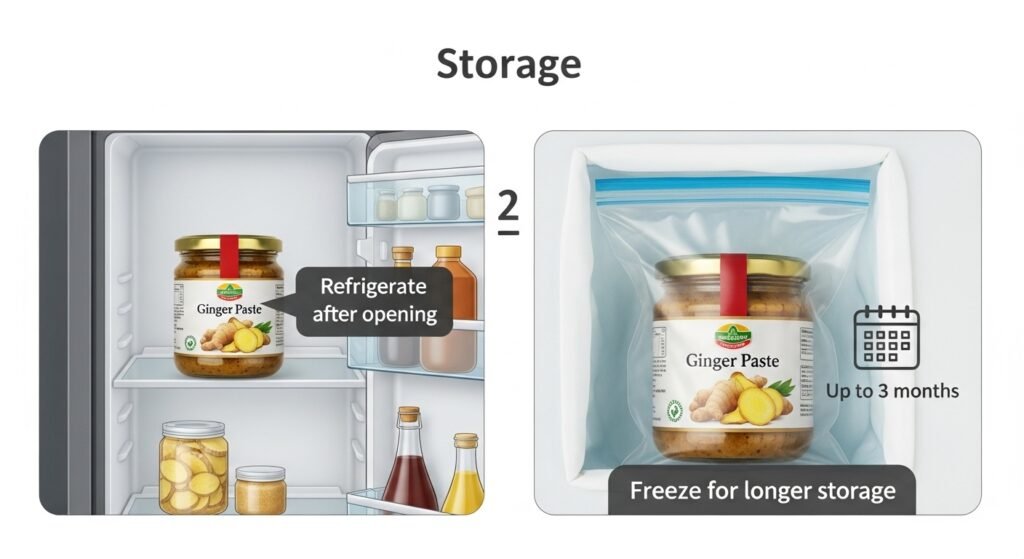
One of the most common questions concerns homemade ginger paste shelf life. generally, homemade paste lasts about 1 to 2 weeks in the refrigerator if kept in an airtight container.
Freezing ginger paste is a fantastic way to extend this. You can freeze tablespoon-sized portions in an ice cube tray. Once frozen, transfer them to a freezer bag. They can be tossed directly into curries or soups frozen.
According to FoodSafety.gov, keeping perishables at safe temperatures is critical to preventing foodborne illness.
Review safe storage times here.
Substitutions
If a recipe calls for fresh ginger and you only have paste (or vice versa), knowing the conversion is key. Generally, 1 teaspoon of ginger paste equals 1 inch of fresh ginger root.
When looking for substitutes for fresh ginger, powdered ginger is often too mild and lacks the textural body. Ginger paste is almost always the superior substitute for savoury cooking.
Reading the Label
When buying commercial paste, look for brands with minimal additives. Some contain high levels of sodium or preservatives like sodium benzoate.
Harvard Health Publishing emphasizes reading nutrition labels to avoid hidden sodium, especially if you have hypertension.
Read more on salt and heart health.
Beyond the Kitchen
Ginger’s utility extends beyond food. While you wouldn’t use culinary paste for skincare due to the potential inclusion of garlic or vinegar, pure ginger applications are vast.
For external uses, consider reading The Skin Benefits of Using Natural Ginger Soap or How a Ginger Scalp Mask Can Promote Hair Growth. Furthermore, aromatherapy uses are covered in A Guide to Using Ginger Oil for Aromatherapy.
The Bottom Line
Ginger paste is a versatile, time-saving ingredient that bridges the gap between culinary ambition and the reality of a busy schedule. Whether used as a base for ginger paste for curries, a tenderiser in marinades, or a zesty addition to stir-frys, it delivers health benefits and flavour in equal measure.
By keeping a jar in your fridge or cubes in your freezer, you ensure that ginger paste health benefits—from digestion support to inflammation reduction—are always within reach. It is a simple adjustment to your cooking routine that pays dividends in both taste and wellness.
For more on the wilder side of this plant family, don’t miss our article on Wild Ginger: Safety and Culinary Applications.
Additional Resources
- Mayo Clinic: Nutrition and healthy eating tips. Visit Site
- Johns Hopkins Medicine: The benefits of ginger. Read Article
- Medical News Today: Ginger nutrition facts. Read Article
- NCCIH: Ginger as a complementary health approach. Visit NCCIH
- UK Food Standards Agency: Safety advice on storing roots and spices. Visit FSA
- PubMed: Scientific studies on ginger efficacy. Search Database


