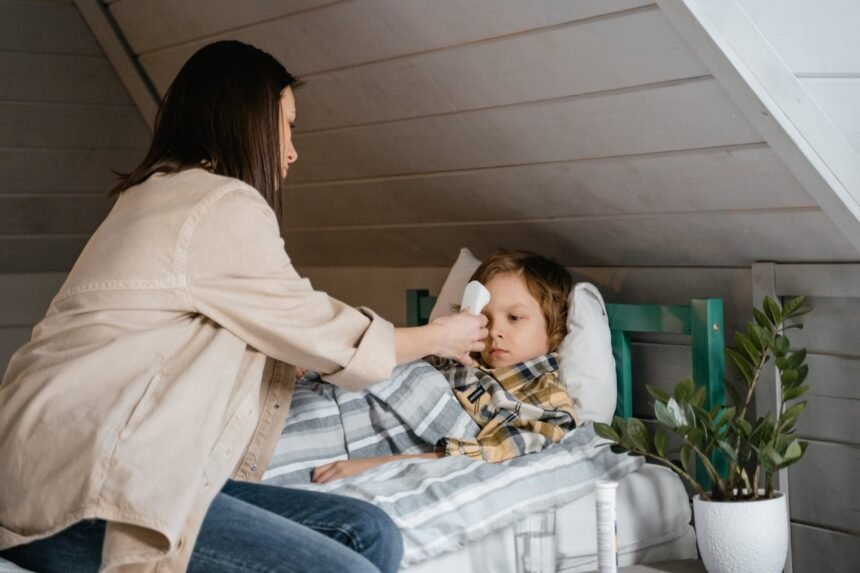
Watching your little one struggle with a high temperature is one of the most stressful experiences a parent can face. Whether it is a result of a common cold, a viral infection, or those pesky teething fever nights, your first instinct is likely to reach for infant fever medicine. However, navigating the world of paediatric pharmacology requires a calm mind and accurate information.
A fever is not usually an illness in itself; rather, it is the body’s natural way of fighting off infection. While it can be alarming, most childhood fevers are manageable at home with the right tools and knowledge. This guide will help you understand how to safely utilise medication, recognise when to seek a medical consultation, and ensure your baby stays comfortable.
Understanding Fever in Babies
Before reaching for the medicine cabinet, it is vital to obtain an accurate reading using a digital thermometer. In infants, a temperature of 38°C (100.4°F) or higher is generally considered a fever. However, the age of your baby significantly dictates the urgency of the situation.
- Under 3 months: Any fever is considered a medical emergency.
- 3 to 6 months: A temperature up to 39°C usually requires monitoring and a GP’s advice.
- Over 6 months: Treatment is typically focused on comfort rather than just lowering the number on the display.
Choosing the Right Infant Fever Medicine
In the UK, there are two primary types of age-appropriate medications used to reduce a baby’s temperature and provide pain relief: paracetamol and ibuprofen. These are typically available as a liquid suspension, which is easier for infants to swallow than tablets.
1. Paracetamol (Calpol)
Paracetamol is often the first line of defence for parents. It is suitable for most babies from 2 months of age (if born after 37 weeks and weighing more than 4kg). It is gentle on the stomach and effective for mild to moderate pain.
2. Ibuprofen (Nurofen for Children)
Ibuprofen for babies is typically suitable from 3 months of age, provided they weigh more than 5kg. It has anti-inflammatory properties and often lasts longer than paracetamol (up to 8 hours). However, it should be avoided if your baby is dehydrated or has certain underlying health conditions like asthma, unless advised by a doctor.
Comparing Paracetamol and Ibuprofen
Deciding between the two can be confusing. The following table highlights the key differences to help you make an informed choice.
| Feature | Paracetamol | Ibuprofen |
|---|---|---|
| Minimum Age | 2 Months | 3 Months (over 5kg) |
| Duration of Action | 4 to 6 hours | 6 to 8 hours |
| Common Form | Liquid suspension / Rectal suppositories | Liquid suspension |
| Best For | General fever and teething pain | Fever and inflammatory pain |
| Dosing Interval | 4 times in 24 hours | 3 times in 24 hours |
How to Administer Medicine Safely
Safety is paramount when dealing with infant fever medicine. Overdosing is a serious risk, so always use a dedicated dose calculator or follow the instructions on the packaging based on your child’s current weight, rather than just their age.
- Check the Concentration: Different brands have different strengths. Always read the label.
- Use the Provided Device: Always use the oral syringe administration tool provided with the bottle for accuracy; never use a kitchen teaspoon.
- Keep a Log: Write down the time and amount of every dose to prevent accidental doubling up.
- Check Ingredients: Ensure you are not giving two different medicines that both contain paracetamol.
For more detailed safety guidelines, the Mayo Clinic provides excellent resources on fever management. Additionally, the National Institute for Health and Care Excellence (NICE) offers clinical frameworks for fever assessment in children under five.
Natural Support and Baby Cooling Tips
Medication is just one part of the puzzle. You can help your baby feel better by focusing on their environment and hydration. Keeping the room temperature around 18°C is ideal for a sleeping infant.
Try these baby cooling tips alongside medication:
- Dress your baby in light, breathable cotton layers.
- Offer frequent breast milk or formula feeds to prevent dehydration.
- Do not “cold sponge” your baby; this can cause shivering, which actually raises the internal core temperature.
- Ensure plenty of rest in a quiet environment.
According to the World Health Organization (WHO), maintaining fluid intake is critical during febrile episodes. If your child refuses to drink, seek medical advice immediately.
The Risk of Febrile Seizures
In some cases, a rapid spike in temperature can lead to febrile seizures (fits). While terrifying to witness, they are usually harmless and do not cause brain damage. According to St John Ambulance, you should place the child in the recovery position and ensure they are safe from hitting hard objects.
If your child experiences a seizure for the first time, or if it lasts longer than five minutes, call 999 or your local emergency services immediately. High-quality first aid guidance is also available via the British Red Cross.
When to Call the Doctor
While most fevers resolve within a few days, some signs indicate a more serious underlying issue. Consult the Great Ormond Street Hospital guidelines if you notice:
- A rash that does not disappear when a glass is pressed against it (a sign of meningitis).
- Difficulty breathing or rapid breathing.
- Signs of dehydration, such as fewer wet nappies or a sunken soft spot (fontanelle).
- Inconsolable crying or extreme lethargy.
- A fever that lasts longer than five days.
Further information on recognising serious illness can be found on Healthline and MedlinePlus. For evidence-based reviews on medicine efficacy, the Cochrane Library provides comprehensive meta-analyses comparing paracetamol and ibuprofen.
Frequently Asked Questions (FAQs)
Can I give paracetamol and ibuprofen together?
You should not give them at the same time unless specifically instructed by a doctor. However, if one does not seem to be working, you can switch to the other for the next dose. Always consult RCPCH or your pharmacist before alternating doses to ensure you stay within safe limits.
Is it okay to wake a sleeping baby to give fever medicine?
Generally, no. Sleep is vital for recovery. If your baby is sleeping soundly, it suggests they are comfortable enough. Only consider waking them if you are concerned about their breathing or hydration levels. Expert advice from Patient.info suggests prioritising rest.
What is the most accurate way to take a baby’s temperature?
For children under five, an infrared tympanic (ear) thermometer or a digital thermometer used in the armpit (axillary) is recommended. Avoid forehead strips as they are often inaccurate. The Harvard Health Blog provides great insights into common thermometer myths.
Does teething always cause a high fever?
Teething may cause a slight rise in temperature, but it rarely causes a true fever over 38°C. If your baby has a high temperature, it is more likely due to a viral infection or another cause. Check the American Academy of Pediatrics (AAP) for more on the distinction between teething and illness.
Managing your child’s health is a journey of constant learning. By staying informed about infant fever medicine and trusting your parental instincts, you can navigate these challenging moments with confidence. For more medical insights, visit WebMD or the CDC for global health trends.