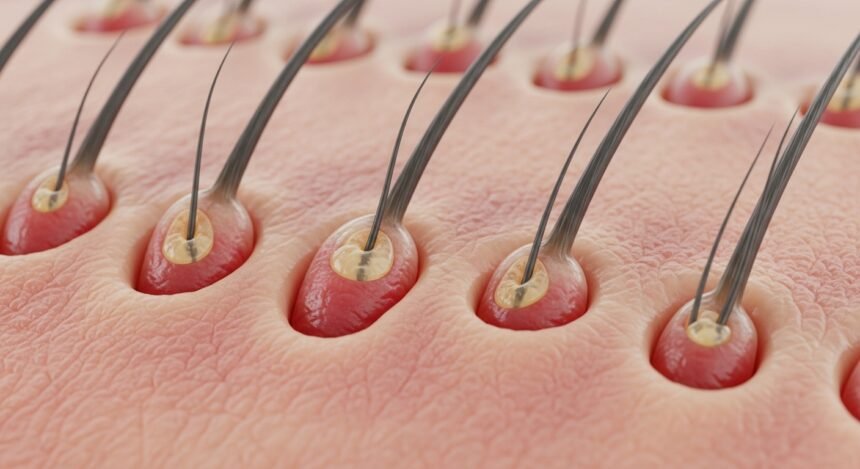
If you have ever noticed small, red, itchy bumps on your skin after shaving or using a public pool, you have likely experienced infected follicles. Clinically known as folliculitis, this common skin condition occurs when hair follicles become inflamed due to bacterial, fungal, or viral infections.
While often a minor annoyance, untreated infected follicles can become painful and may even lead to more severe skin complications. In this guide, we will explore the symptoms, causes, and the best ways to keep your skin smooth and healthy using expert-backed advice.
What Exactly Are Infected Follicles?
Every hair on your body grows out of a tiny pouch called a follicle. When these pouches are damaged—often by friction or hair removal—they become vulnerable to bacterial overgrowth. The result is inflamed skin that can look like a sudden breakout of acne.
Commonly, an infected hair follicle is caused by Staphylococcus aureus (staph), a bacteria that lives on the skin. While usually harmless, it can cause a staph infection if it enters the follicle through a microscopic cut or irritation.
Recognising the Symptoms
Identifying infected follicles early is the key to preventing them from worsening. Look out for the following signs:
- Clusters of small red bumps or white-headed pustules around hair follicles.
- An itchy scalp or skin that feels tender or painful to the touch.
- Pus-filled blisters that break open and crust over.
- A large, swollen mass or skin abscess (in more severe cases).
Common Types of Follicle Infections
Not all infections are created equal. Depending on the cause and location, your symptoms might fall into one of these specific categories:
1. Razor Bumps (Pseudofolliculitis Barbae)
Often caused by hair removal, razor bumps occur when hair grows back into the skin rather than out of it. This is technically an ingrown hair that causes significant skin irritation and inflammation.
2. Hot Tub Folliculitis
As the name suggests, hot tub folliculitis is caused by Pseudomonas bacteria, which thrive in warm, poorly maintained water. It usually appears as a rash of red, itchy bumps a few days after exposure.
3. Barber’s Itch (Sycosis Barbae)
Barber’s itch is a deeper type of infection that affects the beard area in men. It can lead to large, painful pustules and, if left untreated, may cause permanent scarring.
Comparing Common Follicle Conditions
To help you understand what you might be dealing with, here is a comparison of common issues related to infected follicles:
| Condition | Primary Cause | Key Symptom |
|---|---|---|
| Bacterial Folliculitis | Staph bacteria | White, pus-filled bumps |
| Hot Tub Folliculitis | Pseudomonas bacteria | Itchy, round red bumps |
| Ingrown Hairs | Friction/Shaving | Dark, painful bumps |
| Pityrosporum Folliculitis | Yeast/Fungi | Chronic, itchy pustules on the back |
Effective Treatments for Infected Follicles
Most mild cases of infected follicles will clear up on their own with proper home care. However, more persistent infections may require medical intervention from a dermatologist.
Home Remedies and Self-Care
If you are dealing with a mild flare-up, try these steps to soothe the area:
- Warm Compress: Apply a moist, warm compress to the affected area several times a day. This helps drain the follicles and reduces pain.
- Keep it Clean: Wash your skin twice daily with antibacterial soap to reduce bacterial overgrowth.
- Avoid Friction: Wear loose clothing and avoid shaving the area until the infection has cleared.
- Soothing Lotions: Utilise over-the-counter hydrocortisone creams or oatmeal lotions to calm inflamed skin.
Medical Treatments
If the infection persists or spreads, a healthcare professional might recommend:
- Topical Antibiotics: Creams like mupirocin can help eliminate localised bacteria.
- Oral Antibiotics: For deep or recurring infections, a course of oral medication may be necessary.
- Antifungal Creams: Used specifically for infections caused by yeast or fungi.
- Minor Surgery: If an infected hair follicle develops into a large skin abscess, a doctor may need to drain it.
How to Prevent Future Infections
Preventing infected follicles is often easier than treating them. Most prevention strategies focus on reducing skin trauma and maintaining hygiene. You can learn more about skin maintenance from Cleveland Clinic resources.
Safe Shaving Practices
Shaving is a major trigger for razor bumps. To protect your skin, always use a sharp blade and plenty of shaving cream. Shave in the direction of hair growth and avoid pulling the skin taut.
Post-Exercise Hygiene
Sweat and bacteria trapped against the skin can lead to itchy scalp issues and body breakouts. Shower immediately after exercising or using a swimming pool. Ensure you are using clean hot tubs that have been properly treated with chlorine.
Choose Breathable Fabrics
Tight, synthetic fabrics can trap heat and moisture, creating a breeding ground for infection. Opt for cotton or moisture-wicking materials to allow your skin to breathe.
When to See a Doctor
While most infected follicles are harmless, you should seek medical advice from the NHS or your GP if:
- The infection spreads to other areas.
- You develop a high temperature or feel generally unwell.
- The bumps do not improve after two weeks of home care.
- The area becomes increasingly red, hot, or painful.
Advanced cases may require more intensive therapies, such as laser hair removal, which can permanently reduce the risk of follicles becoming trapped and infected.
Frequently Asked Questions (FAQs)
Can I pop an infected follicle?
No, you should never attempt to pop or squeeze infected follicles. Doing so can push the infection deeper into the skin and lead to scarring or a more serious skin abscess.
Is folliculitis contagious?
Most types are not highly contagious. However, if the infection is caused by specific bacteria or fungi, it can be spread through shared towels, razors, or skin-to-skin contact. Always avoid sharing personal hygiene items.
How long does it take for infected follicles to heal?
Mild cases typically resolve within 7 to 10 days with proper warm compress application and hygiene. If the condition persists longer, it is best to consult a professional for topical antibiotics or further diagnosis.
Can stress cause follicle infections?
While stress doesn’t directly cause bacteria to enter your follicles, it can weaken your immune system’s defence mechanisms, making you more prone to skin flare-ups and slowing down the healing process of inflamed skin.
For more detailed scientific information on skin pathology, you can explore research on ScienceDirect or Nature.
Maintaining clear skin is a combination of good habits and quick action. By understanding the triggers of infected follicles, you can keep your skin comfortable, healthy, and free from irritation.