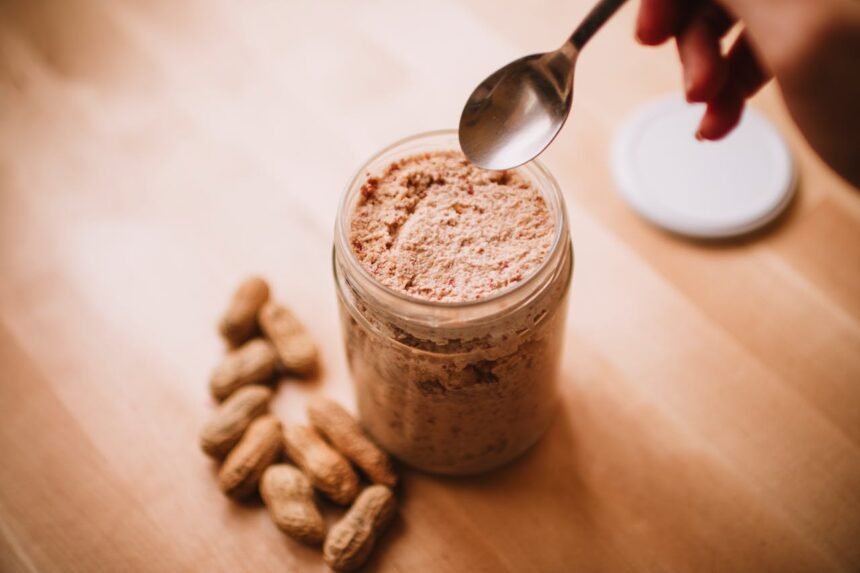
For peanut butter enthusiasts and health-conscious consumers alike, the journey from jar to spoon often raises questions about what exactly goes into our favourite spread. While convenient, supermarket shelves are often stocked with jars containing stabilisers, excess sugar, and hydrogenated oils.
Investing in a peanut butter mill—whether for your home kitchen or a small business—offers a direct solution to these concerns. By grinding your own nuts, you gain complete control over the ingredients, texture, and freshness of the final product.
From the tactile satisfaction of selecting the nuts to the nutritional superiority of the paste, a mill transforms a commodity product into a bespoke culinary experience. This article explores the science, benefits, and practical considerations of owning a nut butter machine.
Overview: The Shift to Fresh Grinding
Historical processing of nuts involved mortar and pestles, a labour-intensive process that resulted in a gritty paste. Modern technology has democratised this process. An electric nut butter grinder for home use allows you to produce smooth, creamy butter in seconds.
This shift isn’t merely about culinary preference; it is about health autonomy. Commercial processing often strips nuts of their natural oils or subjects them to high heat that degrades nutritional value. By using a mill, you preserve the integrity of the nut’s fatty acid profile.
Furthermore, the versatility is unmatched. You aren’t limited to peanuts; making almond butter at home, or experimenting with cashews and hazelnuts, becomes a simple task with the right equipment.
The Problem with Processed Spreads
Before understanding the solution, it is vital to understand the issue with standard commercial spreads. To increase shelf life and prevent oil separation, manufacturers often add hydrogenated vegetable oils.
According to the American Heart Association, hydrogenated oils are a primary source of trans fats, which can raise bad cholesterol levels. Additionally, to combat the bitterness of lower-quality nuts, sugar and sodium are frequently added in high quantities.
When you rely on pre-packaged goods, you also miss out on specific nutritional nuances found in different peanut varieties. For instance, you might want to explore the unique profile of A Guide to Valencia Peanuts: Sweetness and Nutrition Profile. These peanuts are naturally sweeter, meaning you need less additives, but they are rarely the primary ingredient in mass-market jars.
The Fresh Solution: Nutritional and Culinary Benefits
superior Nutritional Retention
The primary advantage of a dedicated mill is fresh ground peanut butter nutrition. When nuts are ground and immediately consumed or sealed, oxidation is minimised. Oxidation is the chemical reaction that occurs when the healthy fats in nuts are exposed to air, leading to rancidity and the degradation of antioxidants.
A study published by the National Center for Biotechnology Information (NCBI) highlights that the bioavailability of nutrients in nuts can be influenced by processing methods. Fresh grinding ensures you receive the full benefit of Vitamin E, magnesium, and healthy monounsaturated fats.
Ingredient Control
With a heavy-duty peanut butter maker, you create preservative-free peanut butter. This is critical for individuals with dietary restrictions or specific health goals. You can decide whether to include the skins—which are rich in antioxidants—or remove them for a creamier texture.
Those interested in maximising antioxidant intake might choose specific cultivars, such as those discussed in our article on Red Skin Peanuts: Antioxidant Benefits and Culinary Uses. The ability to choose your input directly impacts the health quality of the output.
Texture Customisation
One size rarely fits all. Some prefer a silky, emulsified texture, while others prefer a rustic crunch. High-quality mills allow for adjusting texture settings for nut butter. This mechanism usually involves tightening or loosening the grinding plates.
If you are using high-oil varieties, such as those detailed in Spanish Peanuts: Small Size, Big Flavour and High Oil Content, you can achieve a liquid consistency perfect for drizzling over porridge or smoothies without adding extra oils.
Choosing the Right Machine
When you decide to invest, the market can be overwhelming. Here is what you need to look for to ensure longevity and food safety.
Grinding Mechanism and Material
The heart of the machine is the grinder. You should prioritise a stainless steel grinding mechanism. Unlike plastic components, stainless steel is durable, hygienic, and resistant to the heat generated by friction. The Food and Drug Administration (FDA) suggests that equipment surfaces should be smooth and non-toxic to prevent bacterial harborage.
Capacity and Power
Are you grinding for a family of four or a farm shop? A high-capacity nut grinder is essential for the latter, whereas a compact model suffices for weekly meal prep. Commercial units often boast commercial nut butter machine benefits like continuous duty cycles, meaning they won’t overheat after ten minutes of use.
However, for home users, energy efficiency of kitchen appliances is a valid concern. Modern motors are designed to deliver high torque with lower energy consumption, aligning with guidance from Energy Star regarding efficient kitchen equipment.
Noise Levels
Grinding nuts is inherently noisy. However, the noise levels of grinding machines vary significantly. Commercial units often have sound-dampening encasements. If you are using this in a home setting, look for induction motors which tend to be quieter than universal motors.
Economic Considerations
Is it cheaper to make your own? Initially, the machine is an investment. However, the cost-effectiveness of homemade nut butter becomes apparent over time, especially if you buy nuts in bulk.
Sourcing is key. You can purchase raw ingredients from wholesalers or even grow them yourself. For those with a green thumb, reading Growing Your Own: Best Practices for Organic Peanut Seeds can lead to a true farm-to-table experience. Even if you purchase, buying Where to Buy Green Peanuts Bulk for Traditional Recipes and roasting them yourself is significantly cheaper than buying artisanal jars.
Usage Tips and Maintenance
To get the most out of your peanut butter mill, follow these operational tips.
Preparation is Key
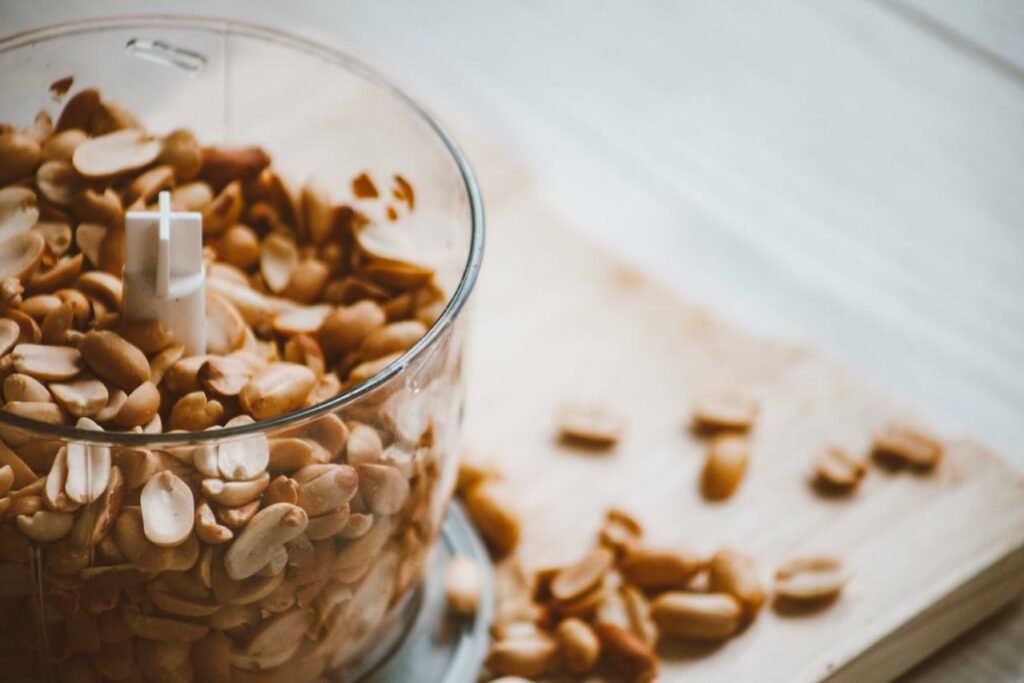
Most mills require roasted nuts. Raw nut processing can be difficult for some standard machines because the moisture content in raw nuts can create a gum-like paste rather than a butter. Roasting releases the oils, facilitating a smooth grind.
However, you can experiment with exotic legumes. For a unique flavour profile, consider Jungle Peanuts: Exploring the Wild Ancestor of Modern Legumes.
Cleaning and Hygiene
Cleaning a nut butter machine is the most tedious but necessary part of ownership. Oils can go rancid if left in the crevices of the grinder.
- Disassemble: Remove the hopper and grinding plates.
- Wash: Use warm, soapy water. Avoid harsh chemicals that might leave a residue.
- Dry: Ensure all parts are completely dry before reassembly to prevent rust and bacterial growth.
The Food Standards Agency emphasises the importance of effective cleaning schedules to prevent cross-contamination, especially if you are processing different allergens.
Storage and Shelf Life
Fresh nut butter shelf life is shorter than commercial varieties because it lacks preservatives.
- Pantry: 1–2 weeks.
- Fridge: 1–2 months.
Refrigeration helps stabilise the oils. If you have made a large batch, consider using the excess in baking. You can even make flour from the cake (the solid remnants if you press for oil), as described in Roasted Peanut Flour: Gluten-Free Baking and Nutritional Gains.
Beyond Just Butter: Creative Uses
Your mill is a gateway to other culinary experiments.
- Oil Pressing: Some high-end mills have attachments for oil extraction. If this interests you, check out A Beginner Guide to Peanut Oil Pressing at Home.
- Sprouts Paste: For a nutritional powerhouse, you could experiment with grinding dried sprouts, inspired by Peanut Sprouts: The New Superfood You Should Try.
- Sustainable Farming: If you grow your own nuts to feed the machine, you will have waste product. Don’t discard it. Use Essential Peanut Harvesting Tools for Small-Scale Growers to manage the crop and read up on using the shells.
The Bottom Line
Investing in a peanut butter mill is an investment in your health and palate. It allows you to eliminate hidden sugars, avoid hydrogenated fats, and enjoy the freshest possible taste.
According to Harvard T.H. Chan School of Public Health, peanuts are a functional food that supports heart health when consumed in their natural state. A personal mill ensures that “natural state” is exactly what you get.
Whether you opt for a simple home grinder or a robust commercial machine, the ability to control the texture, ingredients, and flavour makes it a worthy addition to any kitchen. By sourcing quality nuts—perhaps even How to Use Peanut Shell Mulch in Your British Garden suggests a circular approach to your consumption—you connect more deeply with your food sources.
Always ensure you consult safety guidelines from the Mayo Clinic regarding allergies before sharing your homemade creations.
Ultimately, the hum of the peanut butter mill in your kitchen is the sound of taking control of your diet, one delicious spoonful at a time.