In recent years, the humble cauliflower has transformed from a boiled dinner side dish into a culinary superstar. You can find it masquerading as rice, pizza crusts, and even buffalo wings on menus across the globe. But beyond the food trends, a common question remains: is cauliflower good for weight loss?
If you are looking to shed a few pounds, understanding the nutritional mechanics of your food is crucial. Cauliflower is often touted as a weight-loss superfood, but does the science back up the hype? The short answer is yes, but the reasons why are manifold.
This article reviews the evidence behind cauliflower for weight loss, exploring its nutritional profile, its role in low-carb diets, and practical ways to include it in your daily routine.
Nutritional Overview: What is Inside?
To understand why cauliflower is beneficial for weight management, we must first look at its nutritional composition. It is incredibly nutrient-dense, meaning it provides a high amount of vitamins and minerals for very few calories.
According to nutritional data, a 100-gram serving of raw cauliflower contains approximately:
| Nutrient | Amount |
|---|---|
| Calories | 25 kcal |
| Water | 92% |
| Protein | 2 grams |
| Carbohydrates | 5 grams |
| Fibre | 2 grams |
| Fat | 0.1 grams |
| Vitamin C | 77% of RDI |
| Vitamin K | 20% of RDI |
This profile makes it an ideal candidate for those monitoring their energy intake. You can consume a large volume of food without consuming excess energy, a concept known as low energy density.
For a detailed breakdown of nutrients, you can refer to the USDA FoodData Central.
The Science: Why Cauliflower Supports Weight Loss
There are several scientific mechanisms through which cauliflower supports a healthy weight. It is not a magic pill, but rather a tool that leverages human physiology to control appetite and reduce overall intake.
1. Low Calorie Density and Volume Eating
One of the most significant barriers to dieting is hunger. Cauliflower for weight loss is effective because it allows for ‘volume eating’. Because it is 92% water, you can eat a substantial portion to feel physically full without exceeding your daily calorie limit.
Research indicates that choosing foods with low energy density helps people consume fewer calories naturally. The physical sensation of a full stomach sends signals to your brain to stop eating, regardless of the calorie count.
Learn more about Low-Energy-Dense Foods and Weight Control from the CDC.
2. High Fibre Content
Fibre is essential for any weight loss strategy. Cauliflower provides a decent amount of dietary fibre, which slows digestion and promotes feelings of fullness.
When you consume fibre, it expands in the stomach and delays gastric emptying. This means you feel fuller for longer, reducing the temptation to snack between meals. Furthermore, fibre feeds the healthy bacteria in your gut. A healthy microbiome has been linked to better weight regulation and metabolic health.
For more on the importance of fibre, see this review from the Mayo Clinic.
3. A Low-Carb Substitute
Perhaps the most popular reason for the cauliflower boom is its ability to mimic high-carbohydrate foods. For individuals on the Keto diet or general low-carb plans, cauliflower is a staple.
Replacing one cup of white rice (approx. 200 calories) with one cup of cauliflower rice (approx. 25 calories) creates an immediate calorie deficit of 175 calories. Over a week, simple swaps like this can lead to significant weight loss without requiring you to eat less food.
Read more about Low-Carb Vegetables on Healthline.
Practical Swaps: Cauliflower vs. Traditional Sides
To visualise the impact of swapping starchy staples for cauliflower, consider the comparison below. These small changes accumulate over time to support a sustainable calorie deficit.
| Food Item (100g Cooked) | Calories | Carbs | Fibre |
|---|---|---|---|
| White Rice | 130 | 28g | 0.4g |
| White Potato | 87 | 20g | 1.8g |
| Pasta (Wheat) | 131 | 25g | 1.2g |
| Cauliflower | 25 | 5g | 2.0g |
As the table demonstrates, choosing cauliflower significantly slashes carbohydrate and calorie intake while boosting fibre.
Other Health Benefits
While weight loss is a primary goal for many, the benefits of this cruciferous vegetable extend far beyond the scales. Incorporating it into your diet improves overall health, which is vital for maintaining energy levels during a weight loss programme.
Rich in Antioxidants
Cauliflower is a member of the cruciferous vegetable family, alongside broccoli and kale. These vegetables are rich in glucosinolates and isothiocyanates, two groups of antioxidants that have been shown to slow the growth of cancer cells.
Additionally, it is high in Vitamin C, which is essential for immune function and skin health. During weight loss, maintaining a robust immune system ensures you can keep up with exercise and daily activities.
See the research on Cruciferous Vegetables and Cancer Prevention.
Hydration
Proper hydration is often overlooked in weight management. Water aids metabolism and can act as an appetite suppressant. Since cauliflower is mostly water, it contributes to your daily hydration goals.
Potential Downsides and Considerations
Is cauliflower good for weight loss for everyone? Generally, yes, but there are some caveats to consider. Being aware of these can help you manage your diet more effectively.
Digestive Discomfort
Because cauliflower is high in fibre and contains complex sugars called raffinose, it can cause bloating and gas in some people. This is particularly true for those with Irritable Bowel Syndrome (IBS).
If you find that cauliflower upsets your stomach, it may be high in FODMAPs for your tolerance level. Cooking the vegetable thoroughly usually makes it easier to digest than eating it raw.
Refer to Monash University’s FODMAP research for more details.
Thyroid Function
Cruciferous vegetables contain goitrogens, substances that can interfere with thyroid function if consumed in very large amounts. However, for most people with a healthy thyroid, normal consumption is perfectly safe. Cooking the vegetable largely deactivates these compounds.
Learn more from the British Thyroid Foundation.
How to Add Cauliflower to Your Diet
If you are ready to use cauliflower for weight loss, versatility is your best friend. Here are practical ways to prepare it without getting bored.
1. Cauliflower Rice
This is the most common preparation. Simply pulse raw florets in a food processor until they resemble grains of rice. Sauté in a pan with a little olive oil, garlic, and onions. It serves as a perfect base for curries, stir-frys, or burrito bowls.
2. Low-Carb Mash
Instead of mashed potatoes, try mashed cauliflower. Steam the florets until they are very tender, then blend them with a splash of milk (or plant-based alternative), a knob of butter, salt, and pepper. It is creamy, comforting, and has a fraction of the calories of potato mash.
3. Pizza Crust
Commercial pizza bases are calorie-dense. A homemade cauliflower crust involves mixing riced cauliflower with egg and cheese (or binders) and baking it until crisp. It allows you to enjoy pizza night while keeping your carbohydrate intake low.
4. Roasted Steaks
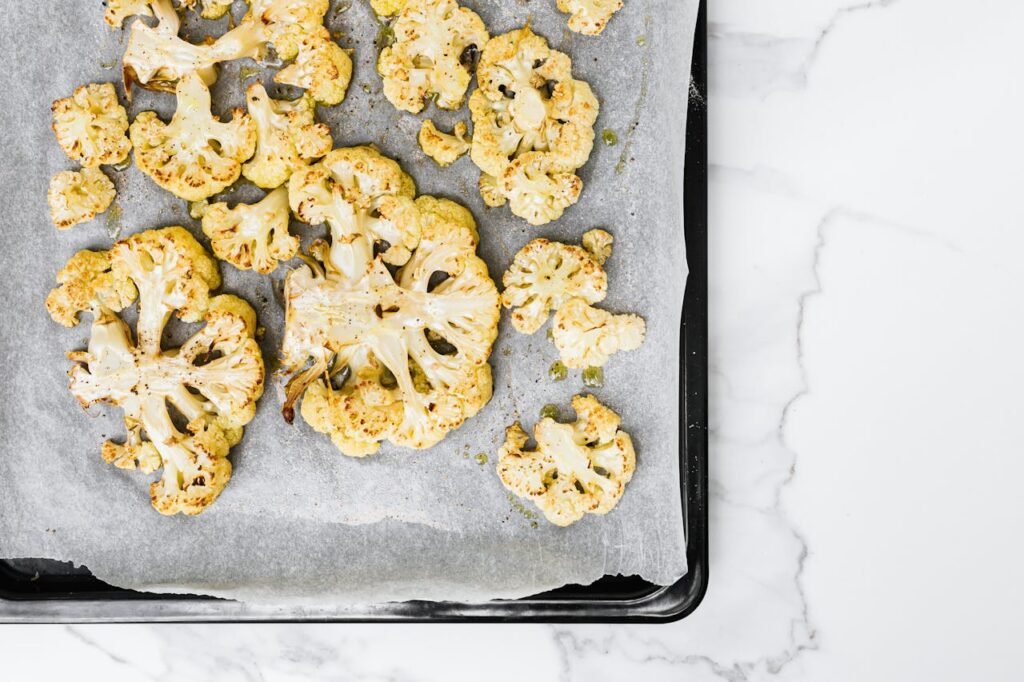
Slice a whole head of cauliflower into thick ‘steaks’. Brush them with olive oil, paprika, turmeric, and cumin, then roast in the oven until golden brown. This makes for a hearty, plant-based main course.
For general healthy eating advice, consult the NHS Eatwell Guide.
The Bottom Line
So, is cauliflower good for weight loss? Absolutely.
It is a nutritional powerhouse that supports weight management through three main pillars: it is exceptionally low in calories, high in fibre, and versatile enough to replace high-calorie staples like rice and potatoes.
By substituting calorie-dense foods with cauliflower, you can reduce your overall energy intake without feeling deprived or hungry. Furthermore, the added hydration and antioxidants support your overall health.
However, like all foods, it should be part of a balanced diet. If you have digestive sensitivities, introduce it slowly and opt for cooked versions over raw.
Ready to start? Next time you are at the supermarket, grab a head of cauliflower and try swapping out your usual starch. Your waistline—and your gut health—will thank you.