As the demand for plant-based dairy alternatives continues to surge across the UK, supermarket shelves are becoming increasingly crowded with cartons of almond, oat, soy, and rice beverages. However, a new contender is emerging that promises a unique combination of affordability, sustainability, and nutrition: peanut milk.
While not as ubiquitous as its almond or soy counterparts, peanut milk is gaining traction among those seeking lactose-free milk options that pack a nutritional punch. Rich in protein and boasting a creamy texture, this legume-based beverage offers a distinct profile that sets it apart from tree nut milks.
But is it truly a healthy substitute for cow’s milk? In this article, we explore the nutritional breakdown, potential health benefits, and culinary uses of peanut milk to help you decide if it deserves a spot in your fridge.
Nutritional Profile: How Peanut Milk Stacks Up
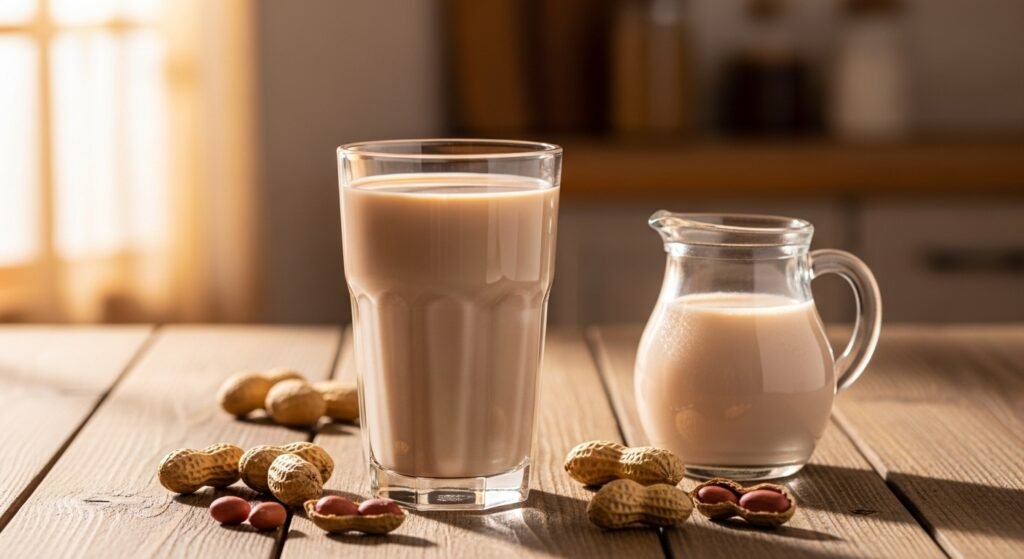
Peanut milk is made by blending water with peanuts—often roasted—and straining the mixture to produce a smooth liquid. Because it is derived from a legume rather than a tree nut or grain, its macronutrient profile is quite impressive, particularly regarding protein.
Protein Content
One of the most significant advantages of peanut milk is the protein content in non-dairy milk. Unlike almond or rice milk, which often contain less than 1 gram of protein per serving, peanut milk typically provides roughly 6 to 8 grams of protein per cup, rivaling that of cow’s milk. This makes it an excellent choice for vegetarians and vegans looking to boost their intake.
For a deeper dive into the importance of plant proteins, Harvard T.H. Chan School of Public Health offers comprehensive resources on legume-based nutrition.
Fats and Calories
Peanuts are naturally high in fat, but these are primarily unsaturated fats. The heart-healthy fats in peanuts—specifically mono- and polyunsaturated fats—can contribute to maintaining healthy cholesterol levels when consumed as part of a balanced diet. Peanut milk is generally higher in calories than unsweetened almond milk but comparable to oat milk.
Micronutrients
While homemade versions vary, commercial peanut milk is often fortified. However, naturally, peanuts are rich in magnesium, Vitamin E, and Vitamin B6. To ensure you are getting enough bone-building minerals, look for calcium-fortified plant beverages. The NHS recommends checking labels to ensure non-dairy milks are fortified with calcium and iodine.
Health Benefits of Peanut Milk
1. Supports Heart Health
Peanuts are rich in oleic acid, a monounsaturated fat that is also found in olive oil. According to the British Heart Foundation, replacing saturated fats with unsaturated fats in the diet can help reduce LDL (bad) cholesterol levels, thereby lowering the risk of heart disease.
2. High Bioavailability of Protein
The bioavailability of peanut protein is relatively high compared to other plant sources. This means your body can absorb and utilise the amino acids efficiently for muscle repair and enzyme production. For those interested in the raw ingredients, understanding the different varieties is key. For instance, you might check out A Guide to Valencia Peanuts: Sweetness and Nutrition Profile to see how different nuts affect the final milk taste.
3. Sustainability
Environmentally conscious consumers often weigh the environmental impact of nut milks. Almonds, for example, require significant amounts of water to grow. Peanuts, by contrast, are deeply sustainable; they require far less water and have the unique ability to fix nitrogen in the soil. This makes peanut milk one of the most sustainable plant milks available. You can even read about Peanut Shell Compost: Turning Waste into Nutrient-Rich Soil to understand the zero-waste potential of this crop.
For more data on the environmental footprint of foods, Our World in Data provides excellent comparative studies.
Potential Downsides and Allergies
Despite its benefits, peanut milk is not suitable for everyone.
Peanut Allergies
The most critical consideration is peanut allergy considerations. Peanut allergies are among the most common and severe food allergies in the UK. Unlike lactose intolerance, which causes digestive discomfort, a peanut allergy can trigger anaphylaxis, a life-threatening reaction. Allergy UK provides vital guidance on managing severe allergies.
Additives and Sugar
Commercial varieties may contain added sugars, stabilisers, and emulsifiers to improve texture and shelf life. If you are monitoring your glucose intake, always opt for low sugar milk alternatives or unsweetened versions.
Omega-6 Fatty Acids
While peanuts contain healthy fats, they are higher in Omega-6 fatty acids compared to Omega-3s. A diet too high in Omega-6s can be pro-inflammatory if not balanced with adequate Omega-3s. It is important to maintain a varied diet.
Peanut Milk vs. Other Alternatives
When comparing peanut milk vs almond milk, peanut milk wins on protein and sustainability but loses on calorie count (almond milk is lower in calories). Compared to oat milk, peanut milk usually has less sugar (if unsweetened) and more healthy fats.
Another factor is the affordability of peanut milk. Because peanuts are widely grown and efficient to harvest—often using specialised equipment as discussed in Essential Peanut Harvesting Tools for Small-Scale Growers—peanut milk can be significantly cheaper to produce at home than cashew or macadamia milk.
How to Make Your Own Peanut Milk
Creating a homemade peanut milk recipe allows you to control the ingredients and sweetness. It is a straightforward process similar to making almond milk.
Ingredients
- 1 cup of raw peanuts (or roasted for a deeper flavour)
- 4 cups of filtered water
- Optional: Dates or maple syrup for sweetness, a pinch of salt.
Method
- Soak: Soak the peanuts in water for at least 6 hours or overnight. If you are using raw peanuts with skins, you might want to read about Red Skin Peanuts: Antioxidant Benefits and Culinary Uses to decide whether to keep the skins on for nutrition or remove them for a whiter milk.
- Blend: Drain the peanuts and add them to a high-speed blender with the 4 cups of fresh water.
- Strain: Blend on high for 1-2 minutes until creamy. Strain the liquid through a nut milk bag or cheesecloth.
- Store: Keep in a sealed bottle in the fridge for up to 4 days.
Pro Tip: Don’t throw away the pulp! You can dry it out to make flour. Check out Roasted Peanut Flour: Gluten-Free Baking and Nutritional Gains for ideas on how to use this byproduct.
If you prefer a richer milk, you might experiment with high-oil varieties. Learn more in our article on Spanish Peanuts: Small Size, Big Flavour and High Oil Content.
Culinary Uses and Tips
Peanut milk has a distinct nutty flavour profile. While this might overpower a delicate tea, it is exceptional in other applications.
- Smoothies: The high protein content makes it a perfect base for post-workout shakes. For an extra nutrient kick, consider adding other legume derivatives like those mentioned in Peanut Sprouts: The New Superfood You Should Try.
- Baking: It acts as a fantastic vegan milk for baking, adding richness to cakes and cookies.
- Coffee: It froths reasonably well, though it may separate in very acidic coffee. Gentle heating helps.
- Savory Dishes: Use it as a base for satay sauces or creamy curries.
For those interested in the raw material sourcing, knowing Where to Buy Green Peanuts Bulk for Traditional Recipes can help you find fresh ingredients if you prefer making milk from raw, green peanuts (boiled first), though roasted is standard.
Furthermore, if you are deep into the DIY aspect, you might find similarities in the processing required for A Beginner Guide to Peanut Oil Pressing at Home.
The Bottom Line
Peanut milk is a robust, nutritious contender in the plant-based market. It offers higher protein than almond milk, a lower environmental footprint, and a rich, creamy texture.
If you do not have a peanut allergy, it is certainly worth trying, especially if you are looking for affordable plant-based nutrition. However, as with all dietary changes, variety is key. The Mayo Clinic suggests rotating your plant-based protein sources to ensure you receive a full spectrum of amino acids.
Whether you are curious about ancient varieties like those in Jungle Peanuts: Exploring the Wild Ancestor of Modern Legumes or simply want a cheaper latte option, peanut milk is a sustainable and healthy choice.
For more information on food safety and labelling regarding allergens, consult the Food Standards Agency. Always consult with a healthcare professional or dietitian, such as those registered with the British Dietetic Association, before making significant changes to your diet, particularly if you have existing health conditions.
Scientific literature, such as studies found on PubMed, continues to support the nutritional value of peanuts as a functional food. Additionally, the British Nutrition Foundation offers excellent guides on balancing a plant-based diet to ensure you aren’t missing out on vital nutrients like B12 or iron.
Ultimately, whether you buy it or make it, peanut milk is a delicious way to diversify your dairy-free rotation.