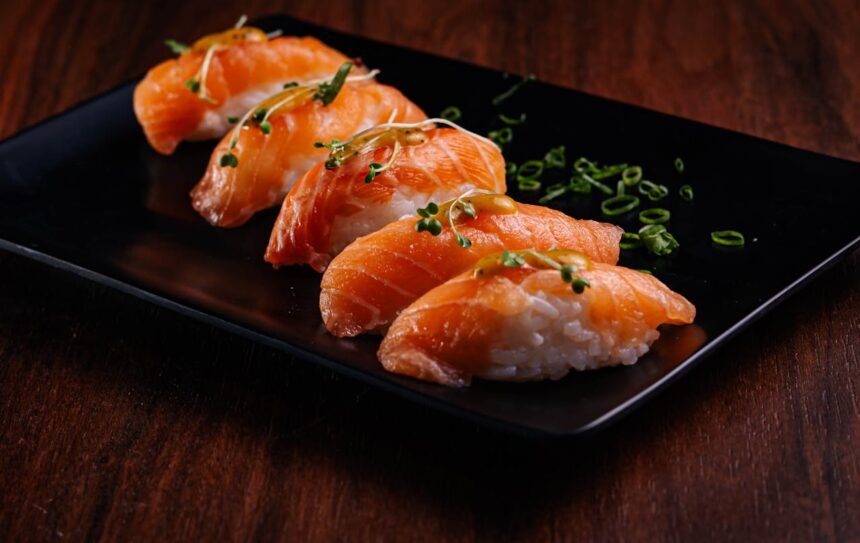
Smoked salmon is a delicacy enjoyed worldwide, known for its distinct flavor, oily texture, and vibrant color. Commonly served on bagels with cream cheese, in salads, or as an appetizer, it is considered by many to be a luxurious treat. However, because it is a processed food often high in sodium, many health-conscious individuals wonder: Is smoked salmon actually healthy?
While it is packed with high-quality protein and essential fatty acids, there are specific risks associated with its preparation method and sodium content. This article explores the nutritional profile, health benefits, and potential downsides of adding smoked salmon to your diet.
Quick Facts
- Rich in Nutrients: It is an excellent source of protein, Vitamin B12, Vitamin D, and selenium.
- Heart Health: Packed with omega-3 fatty acids, it supports cardiovascular health and lowers inflammation.
- Sodium Warning: A 3.5-ounce serving can contain over 600mg of sodium, which is significant for those monitoring blood pressure.
- Safety: Cold-smoked salmon carries a slight risk of listeria and parasites, making it unsuitable for pregnant women unless cooked.
What Is Smoked Salmon?
Smoked salmon is a product of curing salmon fillets with salt and then smoking them. The smoking process preserves the fish and imparts a smoky flavor. There are two primary methods used to create this product, resulting in different textures and safety profiles:
- Cold Smoking: The fish is smoked at low temperatures (usually between 80-90°F or 26-32°C). This does not cook the fish; rather, it cures it, leaving the texture raw and silky. This is the type most commonly found in vacuum-sealed packages at the grocery store.
- Hot Smoking: The fish is smoked at higher temperatures (above 120°F or 49°C). This thoroughly cooks the fish, giving it a flaky texture similar to baked salmon but with a robust smoky flavor.
Understanding these differences is crucial when evaluating nutritional content and food safety risks. To learn more about how fish preparation affects nutrient retention, check our guide on healthy cooking methods.
Nutritional Profile
Smoked salmon is nutrient-dense, providing a high concentration of vitamins and minerals for relatively few calories. According to the USDA FoodData Central, a 3.5-ounce (100-gram) serving of smoked salmon typically contains:
- Calories: 117
- Protein: 18 grams
- Fat: 4 grams (including roughly 0.5g of Omega-3s)
- Sodium: 600–1200 mg
- Vitamin B12: 136% of the Daily Value (DV)
- Vitamin D: 86% of the DV
- Selenium: 65% of the DV
The standout nutrients here are Vitamin B12 and Vitamin D. Vitamin B12 is essential for DNA production and keeping nerve and blood cells healthy. If you are concerned about your levels, you can read more about identifying Vitamin B12 deficiency.
Health Benefits of Smoked Salmon
Incorporating smoked salmon into your diet can offer significant benefits, primarily due to its fatty acid profile and vitamin content.
1. Rich in Omega-3 Fatty Acids
Salmon is one of the best sources of long-chain omega-3 fatty acids EPA and DHA. These fats are considered “essential” because the body cannot create them; they must be obtained from diet. According to the American Heart Association (AHA), eating fatty fish twice a week can significantly reduce the risk of heart disease and stroke.
Omega-3s work by lowering triglycerides, reducing blood pressure, and preventing the formation of arterial plaques. For a deeper dive, read our article on the science behind omega-3 fatty acids.
2. Supports Brain Health
The high levels of DHA found in smoked salmon are vital for brain health. Studies published in the National Institutes of Health (NIH) database suggest that adequate omega-3 intake is linked to a lower risk of age-related cognitive decline and Alzheimer’s disease. Furthermore, the Vitamin B12 in salmon supports the nervous system and cognitive function.
3. Powerful Anti-Inflammatory Properties
Chronic inflammation is at the root of many modern diseases, including diabetes, cancer, and heart disease. The balance of fatty acids in smoked salmon helps combat this. Adopting an anti-inflammatory diet that includes fatty fish can help manage conditions like arthritis.
4. Excellent Source of Selenium
Selenium is a trace mineral that acts as a powerful antioxidant. It helps protect your cells from damage and plays a critical role in thyroid health. The National Institutes of Health (NIH) Office of Dietary Supplements notes that adequate selenium intake supports immune function and DNA synthesis.
5. High-Quality Protein for Weight Management
Protein is the most filling macronutrient. Eating protein-rich foods like smoked salmon can help regulate appetite hormones, making you feel fuller for longer. This is beneficial for weight management and metabolic health. For more ideas on protein-rich mornings, see our healthy breakfast guide.
Potential Risks and Downsides
Despite its benefits, smoked salmon is not perfect. The processing methods used to create it introduce factors that may be detrimental to health if consumed in excess.
1. High Sodium Content
The curing process involves salting the fish to draw out moisture and inhibit bacterial growth. Consequently, smoked salmon is very high in sodium. A single serving can contain between 600 mg and 1200 mg of sodium, which is nearly half of the recommended daily limit set by the Centers for Disease Control and Prevention (CDC).
Excessive sodium intake is strongly linked to hypertension (high blood pressure) and an increased risk of stroke. Individuals who are salt-sensitive or have existing heart conditions should monitor their intake closely. Learn more about managing your salt intake in our article on reducing dietary sodium.
2. Risk of Listeria Monocytogenes
Cold-smoked salmon is technically raw. This presents a risk of contamination with Listeria monocytogenes, a bacterium that can cause a serious infection called listeriosis. Unlike other bacteria, Listeria can grow at refrigerator temperatures.
While rare in healthy adults, listeriosis can be severe for pregnant women, older adults, and those with weakened immune systems. The U.S. Food and Drug Administration (FDA) specifically advises pregnant women to avoid cold-smoked fish unless it is cooked to an internal temperature of 165°F. For more on safe eating during pregnancy, visit our pregnancy nutrition guide.
3. Polycyclic Aromatic Hydrocarbons (PAHs)
The smoking process can contaminate fish with Polycyclic Aromatic Hydrocarbons (PAHs). These are chemicals formed when wood or organic matter burns. Some studies suggest that high exposure to PAHs is associated with an increased risk of cancer. While regulatory bodies like the European Food Safety Authority (EFSA) monitor levels in food, it is generally wise to consume smoked foods in moderation.

Farmed vs. Wild-Caught Smoked Salmon
When purchasing smoked salmon, you will often see labels distinguishing between farmed (often Atlantic) and wild-caught (often Sockeye or King). Both are nutritious, but there are differences.
- Nutrient Density: Wild salmon generally has a higher mineral content and a more favorable ratio of omega-3 to omega-6 fatty acids compared to farmed salmon.
- Contaminants: Farmed salmon may contain higher levels of persistent organic pollutants (POPs), although usually well within safety limits.
- Sustainability: Many choose wild salmon for environmental reasons, though sustainable aquaculture is improving.
For a detailed breakdown, read our comparison on farmed vs. wild-caught fish.
Who Should Avoid Smoked Salmon?
While most people can enjoy smoked salmon safely, certain groups should exercise caution or avoid it entirely:
- Pregnant Women: Due to the risk of Listeria, pregnant women should avoid cold-smoked salmon unless it is used in a cooked dish (like a casserole).
- People with High Blood Pressure: The high sodium content can exacerbate hypertension. If you have heart concerns, consult our heart health tips before indulging.
- Immunocompromised Individuals: Those with weakened immune systems are more susceptible to foodborne illnesses found in raw or cured foods. Read about supporting your immune system naturally.
How to Incorporate Smoked Salmon into a Healthy Diet
To maximize benefits and minimize risks, treat smoked salmon as a flavor enhancer rather than the main course. Here are healthier ways to eat it:
- With Avocado: Serve on whole-grain toast with avocado. The potassium in avocado helps balance the sodium in the salmon.
- In Scrambled Eggs: Add small pieces of smoked salmon to eggs. This cooks the salmon, killing potential bacteria.
- On a Salad: Use it as a protein topper for a large salad rich in leafy greens and vegetables. This fits perfectly into a Mediterranean Diet plan.
- Cucumber Bites: For a low-carb snack, place a slice of smoked salmon and a drop of greek yogurt on cucumber rounds.
Always practice proper food safety. Keep smoked salmon refrigerated at roughly 38°F (4°C) or lower and consume it within the expiration date. For more on kitchen safety, review our food safety guidelines.
The Bottom Line
Is smoked salmon healthy? Yes, for most people, it is a highly nutritious food packed with protein, essential omega-3 fatty acids, and vital vitamins like B12 and D. It supports heart health, brain function, and inflammation reduction.
However, it is not without faults. The high sodium content means it should be eaten in moderation, particularly by those watching their blood pressure. Additionally, the risk of Listeria in cold-smoked varieties makes it unsuitable for pregnant women and those with compromised immune systems unless it is thoroughly cooked.
Ultimately, smoked salmon is a healthy addition to a balanced diet when consumed responsibly. Check the labels, choose high-quality sources, and enjoy it as part of a varied meal plan.
For more information on seafood safety and nutrition, visit the Mayo Clinic’s guide to fish and mercury or the World Health Organization (WHO) healthy diet fact sheet.