Transitioning your family to a healthier lifestyle can often feel like an uphill battle, especially when you are up against the bright packaging and addictive flavours of processed foods.
Many parents today are looking for ways to reduce sugar and processed ingredients in their children’s diets. You might be concerned about energy spikes, focus in school, or simply wanting to build robust long-term health habits.
This is where a Paleo-style approach can be incredibly beneficial. Far from being a restrictive regimen, a family-focused Paleo approach prioritises nutrient-dense whole foods like meats, fish, fruits, vegetables, seeds, and healthy fats.
Finding kid-friendly paleo recipes that actually appeal to younger palates is the key to success. It is not about deprivation; it is about finding delicious, real-food alternatives that your children will genuinely enjoy.
Here, we explore the best strategies and recipes to make this transition seamless, tasty, and nutritionally sound for your growing family.
What Is the Paleo Approach for Families?
At its core, the Paleo diet is about returning to basics. It emphasises foods that our ancestors might have eaten, eliminating modern ultra-processed additives, refined sugars, and grains that can be difficult for some digestive systems to handle.
For children, this does not mean strictly counting carbohydrates or obsessing over macros. Instead, it focuses on flooding their growing bodies with essential vitamins and minerals.
According to the principles of the Paleo diet, the goal is to consume whole, unprocessed foods. This aligns closely with broader health advice regarding the reduction of ultra-processed foods, which are linked to various health issues.
Key components include:
- High-Quality Proteins: Grass-fed beef, chicken, eggs, and wild-caught fish.
- Healthy Fats: Avocado, coconut oil, olive oil, and nuts.
- Fruits and Vegetables: A colourful variety to provide fibre and antioxidants.
- Elimination of Grains and Refined Sugar: Replacing wheat and white sugar with almond flour, coconut flour, honey, or maple syrup.
By focusing on these food groups, you are naturally aligning with NHS guidance on reducing free sugars in children’s diets, which is vital for dental health and energy regulation.
Actionable Steps: Delicious Recipes by Meal
Getting children on board requires creativity. We have broken down kid-approved recipes that mimic their favourites while packing a nutritional punch.
1. The Breakfast Switch: Grain-Free Pancakes
Breakfast is often the hardest meal to change because cereals and toast are so convenient. However, these traditional options often lead to a mid-morning sugar crash.
Banana and Egg Pancakes are a staple in Paleo households. They are naturally sweet, fluffy, and require only two main ingredients.
How to make them:
- Mash one large ripe banana in a bowl.
- Whisk in two large eggs until a batter forms.
- Add a pinch of cinnamon for flavour.
- Fry small dollops in coconut oil or butter over medium heat.
These provide protein and healthy fats to fuel their morning learning. For a more savoury option, consider egg muffins loaded with spinach and bacon. Incorporating eggs ensures a good intake of choline, which is essential for brain development.
2. The Lunchbox Challenge: Ditch the Sandwiches
Packed lunches can be tricky without bread. However, innovative lunchbox ideas can make the midday meal exciting.
Turkey and Avocado Roll-Ups:
Instead of a wrap, use a high-quality slice of turkey breast. Spread mashed avocado (mixed with a little lime juice) inside, add a stick of cucumber or red pepper, and roll it up.
Paleo Bento Boxes:
Children love variety. Use a compartment style lunchbox to include:
- Hard-boiled eggs.
- Cherry tomatoes and carrot sticks.
- Cube of mild cheddar (if you include dairy) or almond cheese.
- Berries (strawberries, blueberries).
- A handful of walnuts or seeds (check your school’s nut policy).
This approach ensures they get a balance of macronutrients without the heavy starch load of a standard sandwich.
3. Dinner Favourites: The Healthy Makeover
You do not need to cook separate meals. The trick is to “Paleo-fy” the dishes they already love.
Sweet Potato Shepherd’s Pie:
Traditional Shepherd’s pie is a brilliant family meal. To make it Paleo, simply swap the white potato topping for a sweet potato mash.
Ingredients:
- 500g minced lamb or beef.
- Onions, carrots, and celery (finely chopped).
- Bone broth (for extra nutrients).
- Topping: Steamed and mashed sweet potatoes with a dash of olive oil.
Crispy Chicken Nuggets:
Most kids love nuggets, but shop-bought versions are often highly processed. The British Heart Foundation highlights the importance of checking labels for hidden salts and fats in these products.
Homemade Version:
- Cut chicken breast into bite-sized chunks.
- Dip in beaten egg.
- Coat in a mixture of ground almonds (almond flour), paprika, and garlic powder.
- Bake in the oven at 200°C for 15-20 minutes until golden and cooked through.
Serve these with homemade courgette fries or steamed broccoli trees.
4. Smart Snacking
Snacking is where many healthy diets fall apart. Having prepared options is crucial.
- Apple ‘Donuts’: Core an apple and slice it into rings. Spread with almond butter and sprinkle with desiccated coconut.
- Homemade Fruit Leather: Puree mango or berries, spread thinly on a baking sheet, and bake at the lowest oven setting for 3-4 hours.
Organisations like the British Nutrition Foundation emphasise that snacks should contribute to overall nutrient intake, not just provide empty calories.
Nutrient Swap Comparison
Understanding the nutritional difference between standard snacks and Paleo alternatives can help motivate you to make the switch.
| Feature | Conventional Snack (e.g., Cereal Bar) | Paleo Alternative (e.g., Nut & Date Ball) |
|---|---|---|
| Primary Energy Source | Refined Sugar & Wheat | Healthy Fats & Natural Fruit Sugar |
| Glycaemic Impact | High (Rapid spike and crash) | Low to Medium (Sustained energy) |
| Micronutrients | Often synthetic fortification | Naturally occurring vitamins/minerals |
| Satiety | Low (Hungry again quickly) | High (Keeps kids full longer) |
| Fibre Content | Low | High |
Tips for Fussy Eaters
If you have a picky eater, introducing new textures can be difficult. It is important to remember that taste buds adapt over time.
Start Slowly:
Do not overhaul the entire menu overnight. Start by swapping the sides—sweet potato wedges instead of chips, for example.
Involve Them:
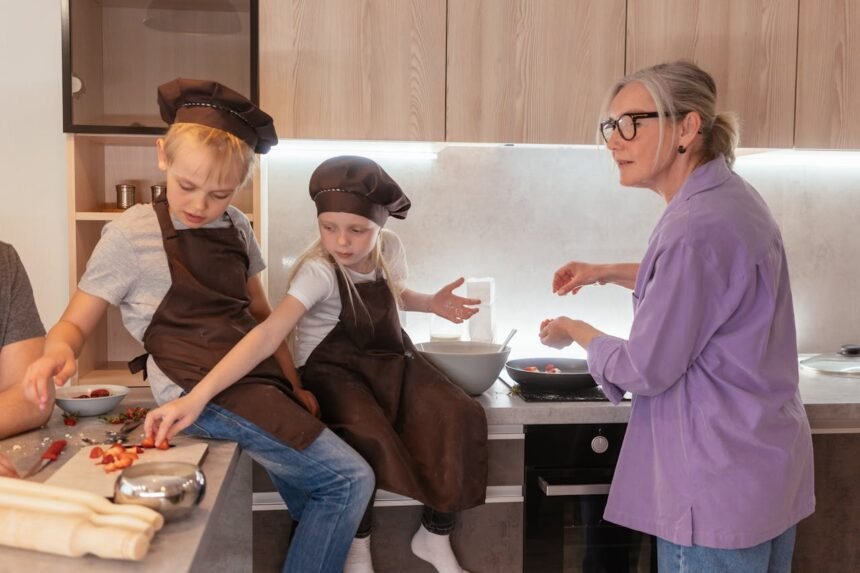
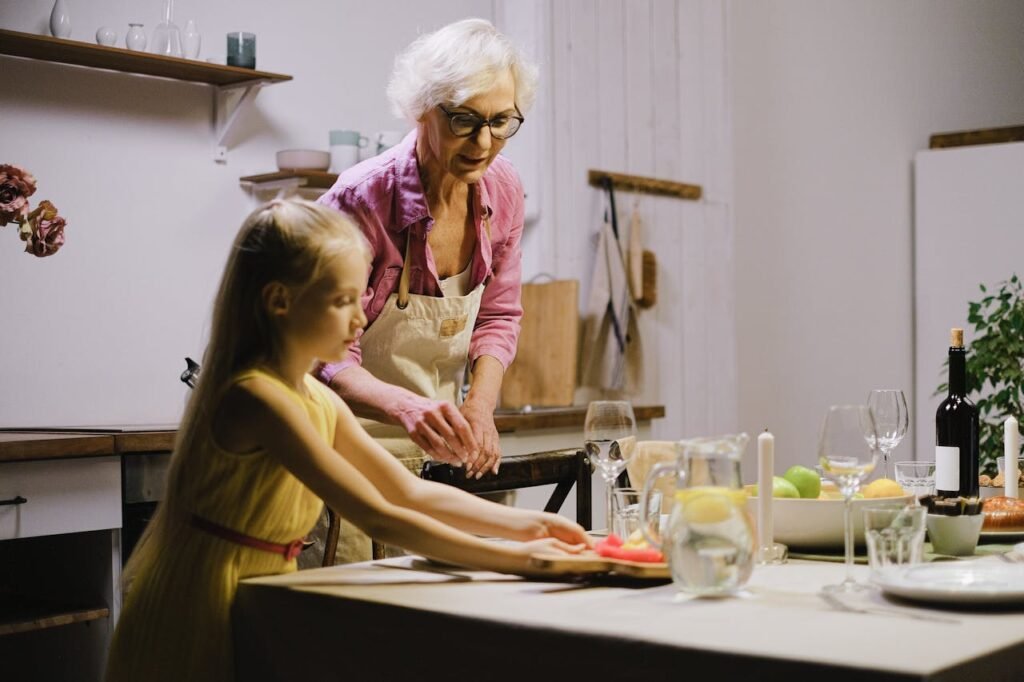
Get your children into the kitchen. Kids are far more likely to eat food they have helped prepare. Let them mash the bananas for the pancakes or dip the chicken in the almond flour.
Hidden Veg:
Puree vegetables into sauces. A tomato sauce for meatballs can easily hide carrots, courgettes, and peppers. This is a classic strategy supported by advice on managing fussy eaters from health professionals.
Frequently Asked Questions
Is the Paleo diet safe for children?
Yes, provided it is well-planned. It is essentially a whole-foods diet. However, you must ensure they get enough calories and calcium. If you remove dairy, ensure you include calcium-rich non-dairy sources like sardines, almonds, and leafy greens, or consult resources like the Royal Osteoporosis Society for guidance.
Will it be too expensive?
It can be pricer, but you save money by cutting out biscuits, fizzy drinks, and crisps. Buying seasonal vegetables and cheaper cuts of meat (for slow cooking) helps keep costs down.
What about school lunches?
Check your school’s policy, specifically regarding nuts, as many Paleo baking recipes use almond flour. If nuts are banned, swap for seed butters (like sunflower seed butter) and coconut flour.
Do kids need carbs?
Active children absolutely need carbohydrates for energy. Paleo is not necessarily low-carb; it is just grain-free. Ensure they eat plenty of root vegetables like sweet potatoes, carrots, and fruits. The Gov.uk Eatwell Guide suggests starchy foods should make up just over a third of the food we eat, so replacing grains with root vegetables is a valid strategy.
How do I handle birthday parties?
Restricting children at parties can lead to feelings of exclusion. Many Paleo families apply an “80/20 rule”. If they eat well at home 80% of the time, a slice of cake at a friend’s party is not the end of the world.
The Bottom Line
Adopting kid-friendly paleo recipes does not require you to become a gourmet chef or spend hours in the kitchen. It is simply about prioritising real, unprocessed ingredients that fuel your children’s growth and development.
By making simple swaps—like replacing bread with wraps made of lettuce or egg, and trading sugary snacks for fruit and nuts—you can significantly improve your family’s nutrient intake.
Remember, consistency is more important than perfection. Start with one meal, perhaps breakfast, and gradually expand your repertoire. Your children’s energy levels, mood, and long-term health will thank you for the effort.