Ensuring proper hand hygiene is one of the most effective ways to protect our children from illness. From the moment they start crawling, little ones become explorers, touching every surface imaginable. While this curiosity is vital for development, it also turns them into little magnets for germs. As parents, teachers, and caregivers, our role is to instil good habits early on.
This comprehensive guide explores everything you need to know about kids hand hygiene, from making washing fun to understanding the science behind the soap.
Why Hand Hygiene Matters for Children
Children are naturally social and tactile. They share toys, hold hands, and often forget to cover their mouths when coughing. This behaviour creates the perfect storm for spreading infections. According to the NHS, washing hands regularly is the single best way to prevent the spread of viruses like colds, flu, and stomach bugs.
The Immune System and Germs
While exposure to some bacteria helps build a robust immune system, the importance of hand washing in schools and nurseries cannot be overstated. High-traffic environments are breeding grounds for pathogens such as Norovirus and Influenza. Effective hygiene practices reduce absenteeism and keep the learning environment safe.
> “Hand washing is a do-it-yourself vaccine that involves five simple and effective steps.” — CDC
The Science of Germs: Explaining it to Kids
Explaining invisible germs to a toddler or young child can be tricky. They might look at their hands, see no dirt, and wonder why they need to wash them. To bridge this gap, we need child friendly hand hygiene facts that make sense to their developing minds.
Visual Experiments
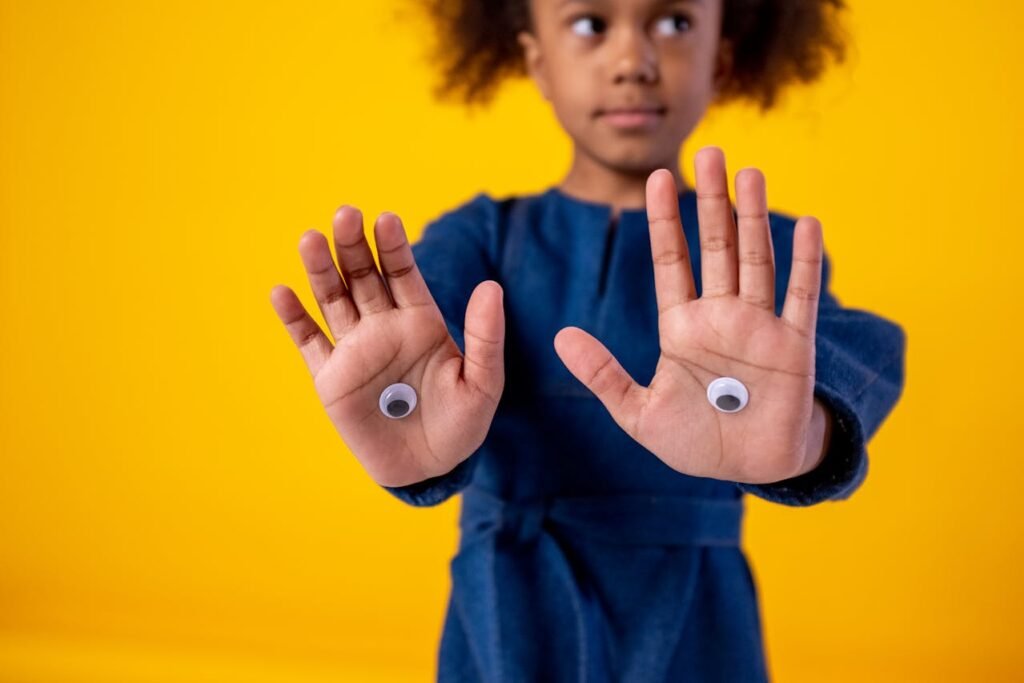
One of the best ways to demonstrate how germs travel is through germ experiments for kids. A popular method involves using glitter.
- The Glitter Test: Put some glitter on your child’s hands. Ask them to touch a toy, a table, or high-five a sibling. Show them how the ‘germs’ (glitter) have transferred to everything they touched. Then, have them try to wash it off with water only versus soap and water. This visually proves why soap is essential.
For older children, resources from organisations like e-Bug provide excellent educational materials on microbes and hygiene.
Correct Hand Washing Technique for Children
Teaching the correct mechanics is just as important as the act itself. A quick rinse under the tap does not suffice. We must teach the hand washing steps for children recommended by health professionals.
Step-by-Step Guide
- Wet: Wet hands with clean, running water.
- Lather: Apply soap and lather well. This includes the backs of hands, between fingers, and under nails.
- Scrub: Scrub for at least 20 seconds. This is often the hardest part for impatient little ones.
- Rinse: Rinse well under clean, running water.
- Dry: Dry hands using a clean towel or air dry them.
The World Health Organization (WHO) emphasises that the physical action of scrubbing creates friction, which lifts dirt, grease, and microbes from the skin.
Making Hand Washing Fun
If it feels like a chore, children will resist. The secret to success lies in gamification and routine. You need to discover how to teach children hand hygiene without it becoming a battle.
Songs and Timing
Twenty seconds can feel like a lifetime to a three-year-old. Using fun hand washing songs for toddlers is a brilliant strategy. Singing “Happy Birthday” twice is the standard, but you can also make up your own rhymes about bubbles and washing away the “sugar bugs” or “dirt monsters.”
Visual Aids
Children thrive on visual cues. Placing a hand washing chart for nursery or home bathrooms can serve as a colourful reminder. You can create a reward chart where they get a sticker for every successful wash.
* Sticker Charts: Use bright colours and their favourite characters.
* Timers: A small sand timer or a flashing light timer can add an element of excitement.
* Soaps: Let them choose their own soap. Sometimes, a fun shape or a specific scent makes all the difference.
For more creative ideas, UNICEF offers various activities to engage children in hygiene habits.
Hand Sanitiser vs. Soap and Water
In recent years, hand gel has become a handbag staple. However, parents often ask about the best hand sanitiser for kids UK parents can buy, and when it should be used.
When to Use Sanitiser
Alcohol-based hand sanitisers are a good alternative when soap and water are not available, such as at the park or on public transport. However, soap and water are far superior at removing certain types of germs, including Cryptosporidium and Norovirus, as well as heavy metals and chemicals.
Safety First
Ensure any sanitiser used contains at least 60% alcohol for effectiveness. Always supervise young children to ensure they do not ingest it and that it dries completely. For sensitive skin, look for formulations with added moisturisers.
Tackling Common Challenges
Even with the best intentions, hurdles arise. From sensory processing issues to skin conditions, here is how to handle them.
Sensory Issues
For some children, particularly those with autism or sensory processing disorder, the sensation of water, the smell of soap, or the noise of hand dryers can be overwhelming. Sensory issues hand washing struggles are real and require patience.
* Temperature: Ensure the water isn’t too hot or cold.
* Texture: Try foam soap instead of liquid, or bar soap if they prefer.
* Drying: Use a soft towel instead of a loud air dryer.
Dry Skin and Eczema
Frequent washing can strip natural oils. Dry hands in children remedies include applying a fragrance-free emollient immediately after drying. The British Skin Foundation suggests patting hands dry rather than rubbing to reduce irritation.
Reaching the Sink
Physical barriers can be discouraging. If a child cannot reach the tap, they can’t wash properly. Invest in a sturdy step stool and consider tap extenders that bring the water stream closer to the edge of the basin.
Hand Hygiene in Schools and Early Years Settings
Schools play a pivotal role in public health. Teachers and staff are responsible for implementing hand hygiene activities for EYFS (Early Years Foundation Stage) and ensuring older students maintain standards.
Creating a Culture of Cleanliness
Institutions should follow guidelines from GOV.UK regarding health protection. This includes:
* Scheduled Breaks: Mandatory washing before lunch and after break times.
* Resources: Ensuring plentiful soap and paper towels.
Education:** Incorporating *educational hand washing games into the curriculum.
Preventing Outbreaks
Preventing norovirus in schools is a top priority during winter months. Norovirus is highly contagious and survives well on hard surfaces. Schools must enforce strict exclusion periods for sick children (usually 48 hours after symptoms stop) and conduct deep cleaning. Organisations like NICE provide detailed public health guidelines on managing these infections.
Global Perspective: Global Handwashing Day
It is also valuable to teach children about their privilege regarding clean water. Global handwashing day ideas for schools can involve fundraising for charities or learning about countries where access to soap is limited. The Global Handwashing Partnership is a great resource for connecting local habits to a global cause.
Tools and Gadgets
Technology can assist in building habits. An automatic soap dispenser for kids prevents cross-contamination of the pump itself and delivers a precise amount of soap. Some even light up or play a sound, adding to the novelty factor.
Conclusion
Mastering kids hand hygiene is a journey that requires consistency, patience, and a bit of creativity. By understanding the science, utilising fun teaching methods, and addressing specific challenges like sensory issues or dry skin, we can empower the next generation to take charge of their health.
Remember, you are their best role model. If they see you prioritising hygiene, they will likely follow suit. For more specific medical advice regarding children’s health, trusted sources like Great Ormond Street Hospital are invaluable.
Let’s work together to keep those little hands clean and our communities healthy.
*
Frequently Asked Questions (FAQ)
1. How long should my child wash their hands for?
Ideally, children should scrub their hands with soap for at least 20 seconds. A popular way to time this is by singing the “Happy Birthday” song twice from start to finish. This ensures there is enough time for the soap to effectively break down grease and germs.
2. Is hand sanitiser safe for babies and toddlers?
It is generally recommended to wash visible dirt off with soap and water. However, if soap isn’t available, you can use a sanitiser. For toddlers, ensure you supervise them closely so they do not lick their hands while wet. For babies, it is often safer to use a wet wipe or washcloth to avoid ingestion risks.
3. My child has eczema; how can I prevent hand washing from making it worse?
Frequent washing can irritate eczema. To help, use lukewarm water rather than hot, and choose a soap substitute or an emollient wash prescribed by a GP or pharmacist. Pat the hands dry gently instead of rubbing, and apply a moisturiser immediately after drying to lock in hydration.
4. What is the best way to teach a stubborn child to wash their hands?
Make it a game rather than a chore. Use educational hand washing games*, colourful soaps, or an *automatic soap dispenser for kids. You can also use a reward chart where they earn a sticker for every correct wash. consistently modelling the behaviour yourself is also crucial.
5. Can cold water clean hands as well as warm water?
Yes, modern studies suggest that the temperature of the water is less important than the use of soap and the duration of scrubbing. While warm water helps dissolve soap faster and may be more comfortable, cold water is effective provided the child scrubs thoroughly for the full 20 seconds.