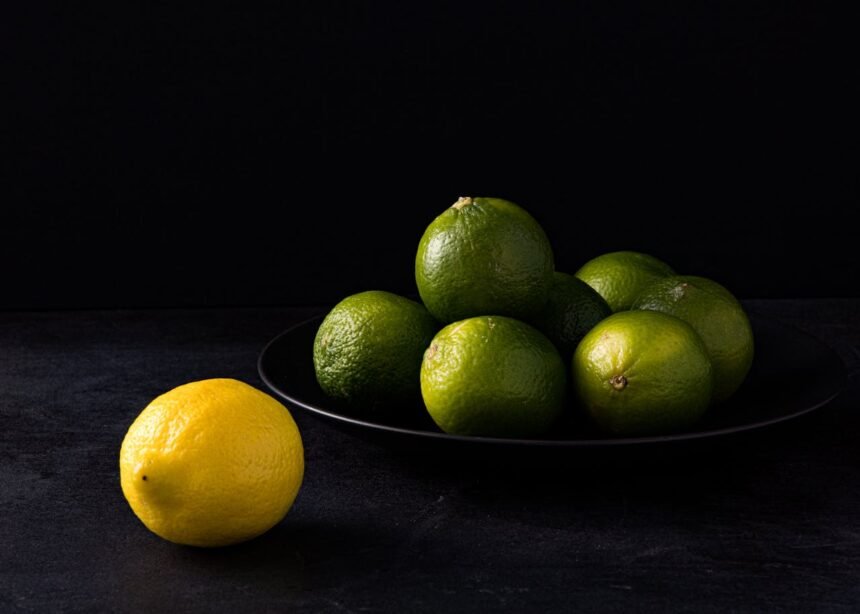
Lemons are a staple ingredient in kitchens across the UK. We frequently squeeze them over fresh fish and chips, slice them into refreshing gin and tonics, or whisk them into sharp salad dressings. However, most of us are guilty of a common kitchen habit: discarding the peel. It is easy to assume that the bright yellow rind is merely a protective wrapper for the sour juice inside. Yet, by throwing it in the bin, you are missing out on a significant portion of the fruit’s nutritional value.
The peel actually contains a higher concentration of certain vitamins, minerals, and fibre than the flesh itself. From supporting your immune system to potentially aiding heart health, the humble rind is a nutritional powerhouse waiting to be utilised. Rather than viewing the skin as food waste, it is time to recognise it as a functional ingredient that can enhance your well-being. This article explores the impressive benefits of lemon peel, potential side effects, and simple ways to incorporate it into your diet safely.
What Is Lemon Peel?
Lemon peel, also known as the rind or skin, consists of two distinct layers: the flavedo and the albedo. The flavedo is the zesty, yellow outer layer that houses the essential oils responsible for the fruit’s vibrant aroma. The albedo is the white, bitter, spongy inner layer found directly beneath the surface.
While the juice of the lemon is celebrated for its acidity and flavour, the peel is where many of the fruit’s bioactive compounds are concentrated. It is packed with fibre, vitamins, and minerals that are often overlooked. According to the USDA nutritional profile of lemon peel, even a small amount—such as a tablespoon (6 grams)—provides a surprising boost of nutrients without adding significant calories.
Key nutrients found in the peel include:
- Calcium: Essential for bone health and muscle function.
- Potassium: Vital for regulating fluid balance and nerve signals.
- Magnesium: Supports energy production and muscle relaxation.
- Vitamin C: A powerful antioxidant that supports immune defence.
- Fibre: Specifically pectin, which aids in digestion and blood sugar regulation.
Furthermore, the peel is rich in bioactive compounds like D-limonene and flavonoids, which are potent antioxidants linked to reduced disease risk.

5 Potential Health Benefits of Lemon Peel
Research suggests that the nutrients and compounds found in lemon peel may offer several health advantages. While more human studies are needed to confirm some of these effects, the current evidence is promising.
1. Supports Oral Health
Dental cavities and gum infections are largely caused by bacteria such as Streptococcus mutans. Interestingly, lemon peel contains antibacterial substances that may inhibit the growth of these harmful microorganisms. The compounds found in the rind effectively combat the bacteria responsible for plaque formation and gingivitis.
In various laboratory studies, researchers have identified that the essential oils within the peel display significant antimicrobial activity, preventing the spread of common oral pathogens. While this does not replace your daily brushing routine or the need to maintain good dental hygiene, adding lemon peel to your diet could serve as a complementary measure for protecting your teeth and gums.
2. High in Antioxidants
Antioxidants are plant compounds that prevent cellular damage by fighting free radicals in your body. Lemon peel is abundant in antioxidants, including D-limonene and Vitamin C. High intakes of these compounds are associated with a reduced risk of chronic conditions like type 2 diabetes and heart disease.
D-limonene, specifically, helps to reduce oxidative stress, which is a key driver of inflammation and tissue damage. By neutralising free radicals, the antioxidants in lemon peel support your body’s natural defence systems and promote longevity.
3. May Boost Heart Health
Cardiovascular disease remains a leading cause of illness in the UK. Fortunately, the flavonoids, Vitamin C, and pectin found in lemon peel may contribute to a healthier heart. Studies suggest that D-limonene can help lower blood sugar, triglycerides, and LDL (bad) cholesterol levels, which are major risk factors for heart disease.
Additionally, the fibre content in the peel aids in managing cholesterol levels by binding to it in the digestive tract. Maintaining optimal cholesterol and blood pressure is vital for long-term heart health, and consuming citrus peels could be a simple dietary strategy to support these goals.
4. May Have Anti-Cancer Properties
While the topic requires careful interpretation, some studies have explored the potential of lemon peel compounds in fighting cancer cells. D-limonene and flavonoids have shown the ability to induce apoptosis (programmed cell death) in certain types of cancer cells in test-tube studies.
It is important to note that this does not mean lemon peel is a cure. However, ongoing cancer research continues to investigate how high-antioxidant foods, such as citrus rinds, play a role in cancer prevention strategies. The immune-boosting properties of Vitamin C also play a role here, as they help the body detect and eliminate harmful invaders.
5. Can Treat Gallstones
Some research indicates that D-limonene may help dissolve gallstones. Gallstones are hardened deposits of digestive fluid that can form in your gallbladder. One study revealed that injecting a solvent containing D-limonene directly into the gallbladder helped dissolve gallstones completely in nearly half of the participants.
While this medical procedure is different from simply eating the peel, it highlights the potency of the compounds found within the rind. Including it in your diet might support gallbladder function and digestion.
How to Add It to Your Diet
Because lemon peel is bitter and tough, most people do not eat it alone. However, there are many delicious ways to include it in your meals. Be sure to wash the fruit thoroughly to remove dirt or wax before use. You can use a zester, grater, or knife to prepare the rind.
Here are some simple ways to use it:
- Zest it: Sprinkle fresh lemon zest over salads, yoghurt, or porridge for a citrus kick.
- Bake with it: Add grated peel to muffins, cakes, and biscuits for enhanced flavour.
- Infuse oils: Place strips of peel in a bottle of olive oil to create a fragrant dressing.
- Make tea: Steep fresh or dried lemon peel in hot water for a soothing, caffeine-free beverage.
- Seasoning: Mix dried, ground lemon peel with salt and pepper for a homemade seasoning blend.
For more inspiration, you can explore various culinary uses that make the most of this versatile ingredient.
Potential Risks and Side Effects
While generally safe, there are a few considerations to keep in mind regarding lemon peel.
Pesticide Residues
Citrus fruits are often treated with pesticides to protect them from insects and mould. Since you are eating the skin, you may consume higher traces of these chemicals. To minimise this risk, wash the fruit under running water and scrub it with a vegetable brush. Alternatively, choosing organic lemons can help you avoid synthetic pesticide residues.
Digestive Issues
Lemon peel contains high amounts of dietary fibre, specifically pectin. If you are not used to a high-fibre diet, consuming large amounts quickly might cause bloating or stomach cramps. Start with small amounts, such as a teaspoon of zest, and gradually increase your intake.
Oxalates
Lemon peel contains oxalates, which are compounds that can interfere with calcium absorption. Individuals with a history of kidney stones or gallbladder issues should consult a healthcare professional before consuming large quantities of oxalate-rich foods.
Nutritional Comparison: Peel vs. Juice
The table below highlights the nutritional differences between the peel and the juice of a standard lemon.
| Nutrient | Lemon Peel (1 tbsp / 6g) | Lemon Juice (1 tbsp / 15g) |
|---|---|---|
| Calories | 3 | 4 |
| Fibre | 0.6 g | 0.1 g |
| Vitamin C | 9% of the Daily Value (DV) | 18% of the Daily Value (DV) |
| Calcium | 10 mg | 1 mg |
| Potassium | 10 mg | 15 mg |
| D-Limonene | High concentration | Trace amounts |
As shown, while the juice is higher in Vitamin C by weight, the peel is significantly denser in calcium and fibre, making it a valuable addition to your diet alongside the juice.
Frequently Asked Questions
Can you eat raw lemon peel?
Yes, you can eat raw lemon peel. However, it has a very bitter taste and a tough texture. It is usually more palatable when grated into fine zest, added to salads, or blended into smoothies rather than eaten in large chunks.
Does lemon peel help with weight loss?
Lemon peel contains pectin, a soluble fibre that expands in your stomach and helps you feel fuller for longer. This may curb your appetite and prevent overeating. However, simply adding lemon peel to a poor diet is unlikely to result in significant weight loss on its own.
How should I store lemon peel?
Fresh lemon zest should be used immediately for the best flavour. If you have leftover peel, you can freeze it in an airtight container for up to three months. Alternatively, you can dry the peel in an oven or dehydrator and store it in a cool, dark place for use in teas and seasonings.
Is the white part of the lemon peel healthy?
The white part, known as the albedo, is safe to eat and contains high levels of pectin and antioxidants. However, it is much more bitter than the yellow outer layer (flavedo). Many recipes call for avoiding the pith purely for flavour reasons, not safety concerns.
The Bottom Line
Lemon peel is often discarded, but it is one of the most nutritious parts of the fruit. Rich in fibre, calcium, and bioactive compounds like D-limonene, the rind offers potent health benefits, including improved oral hygiene, better heart health, and antioxidant protection. It also provides vitamin C benefits that support your immune system.
While you should be mindful of pesticide residues and wash your fruit thoroughly, incorporating lemon zest into your diet is an easy, low-calorie way to boost your nutrient intake. Next time you use a lemon, grate the skin before you squeeze the juice. Your body will thank you for the extra nutrition.