Embarking on a new fitness journey can be exhilarating, and few activities offer the unique blend of full-body engagement, mental tranquility, and connection with nature quite like rowboat fitness. Far from just a leisurely paddle, transforming your rowboat experience into a robust workout can build strength, enhance cardiovascular health, and boost overall well-being. For beginners, the prospect might seem daunting, but with the right approach, equipment, and technique, you can unlock a powerful and enjoyable new dimension to your fitness regimen.
This comprehensive guide will walk you through the essentials of maximizing your rowboat fitness workout, ensuring you start safely, effectively, and enjoyably. From mastering the proper stroke to structuring your workouts, we’ll provide the authoritative tips you need to navigate your path to a healthier, stronger you on the water.
Why Choose Rowboat Fitness for Your Workout?
Before diving into the mechanics, let’s explore why rowboat fitness is an exceptional choice for anyone looking to improve their physical condition, especially beginners. It offers a unique set of advantages that stand out from conventional gym workouts or other outdoor activities.
Full-Body Engagement
Unlike many exercises that target specific muscle groups, rowing is a truly holistic activity. A proper rowing stroke engages approximately 85% of your body’s musculature, making it an incredibly efficient workout. You’ll primarily work:
- Legs (Quads, Hamstrings, Glutes): These powerful muscles initiate the drive phase, pushing off the foot stretcher.
- Core (Abs, Obliques, Lower Back): Your core stabilizes your body throughout the stroke and transmits power from your legs to your upper body.
- Back (Lats, Rhomboids, Traps): These muscles are crucial in the latter part of the drive, pulling the oars towards your body.
- Arms & Shoulders (Biceps, Triceps, Deltoids): While often overused by beginners, arms primarily finish the stroke and guide the oars.
This comprehensive muscle engagement translates to improved strength, endurance, and muscle tone across your entire body. For a deeper understanding of the biomechanics involved, you can consult resources on the muscle groups used in rowing.
Low-Impact Nature
One of the most significant benefits of rowing, particularly for beginners or those with joint concerns, is its low-impact nature. Unlike running or high-impact aerobics, rowing places minimal stress on your joints, particularly your knees and ankles. The fluid, controlled motion makes it an ideal form of exercise for building cardiovascular health and strength without the risk of impact-related injuries. This makes rowboat fitness an excellent long-term activity suitable for a wide range of ages and physical conditions. Research into the benefits of low-impact exercise often highlights its accessibility and effectiveness.
Mental Well-being
Beyond the physical benefits, rowing outdoors offers profound advantages for mental health. The rhythmic motion of rowing combined with the serenity of being on the water can be incredibly meditative. Spending time in nature has been linked to reduced stress, improved mood, and enhanced cognitive function. The focus required for proper technique can also serve as a form of mindfulness, allowing you to disconnect from daily stressors and connect with your surroundings. The psychological benefits of outdoor activity are well-documented, making rowboat fitness a potent stress-reducer.
Getting Started: Essential Gear & Safety
Before you even think about your first stroke, ensuring you have the right equipment and understand fundamental safety protocols is paramount. Safety on the water should always be your top priority.
The Right Rowboat
For fitness purposes, you’ll generally be looking at a few types of rowboats:
- Recreational Rowboats: These are typically stable, easy to maneuver, and great for beginners. They might not be as fast as dedicated racing shells but offer a good balance of stability and the ability to get a solid workout.
- Sculling Boats/Sliding Seat Rowboats: These are designed for more serious rowing, often featuring a sliding seat for full leg drive and outriggers for the oarlocks. While more challenging to balance initially, they provide the most effective full-body workout.
Consider renting or borrowing different types to find what suits your comfort level and fitness goals before investing. Consulting guides on choosing the right rowboat can provide valuable insights.
Personal Flotation Device (PFD)
This is non-negotiable. Always wear a properly fitted U.S. Coast Guard-approved Personal Flotation Device (PFD), or life jacket, whenever you are on the water. Even strong swimmers can be caught off guard by unexpected currents, cold water shock, or capsizing. Ensure your PFD fits snugly but comfortably and that you know how to properly fasten it. Information on PFD types and requirements is available from the U.S. Coast Guard.
Hydration and Sun Protection
Exercising outdoors, especially on water, increases your risk of dehydration and sun exposure. Always bring ample water, even for shorter workouts. Wear appropriate sun protection, including:
- Sunscreen: A broad-spectrum sunscreen with an SPF of 30 or higher.
- Hat: A wide-brimmed hat is ideal to protect your face and neck.
- Sunglasses: Polarized sunglasses can reduce glare from the water.
- Lightweight, Long-sleeved Clothing: UV-protective clothing can offer excellent protection without causing overheating.
Staying hydrated is crucial for performance and safety. The importance of hydration during exercise cannot be overstated.
Understanding Water Conditions
Before launching, always check local weather forecasts and water conditions. Be aware of:
- Wind: Strong winds can make rowing very challenging and create choppy water.
- Currents: Rivers and tidal areas can have strong currents that require significant effort to overcome.
- Tides: If rowing in tidal waters, understand the tide schedule to avoid getting stranded or caught in strong outgoing currents.
- Water Temperature: Cold water poses a hypothermia risk. Dress appropriately and understand the dangers of cold water immersion.
The National Weather Service provides excellent resources for marine weather forecasts.
Mastering the Stroke: Proper Form for Beginners
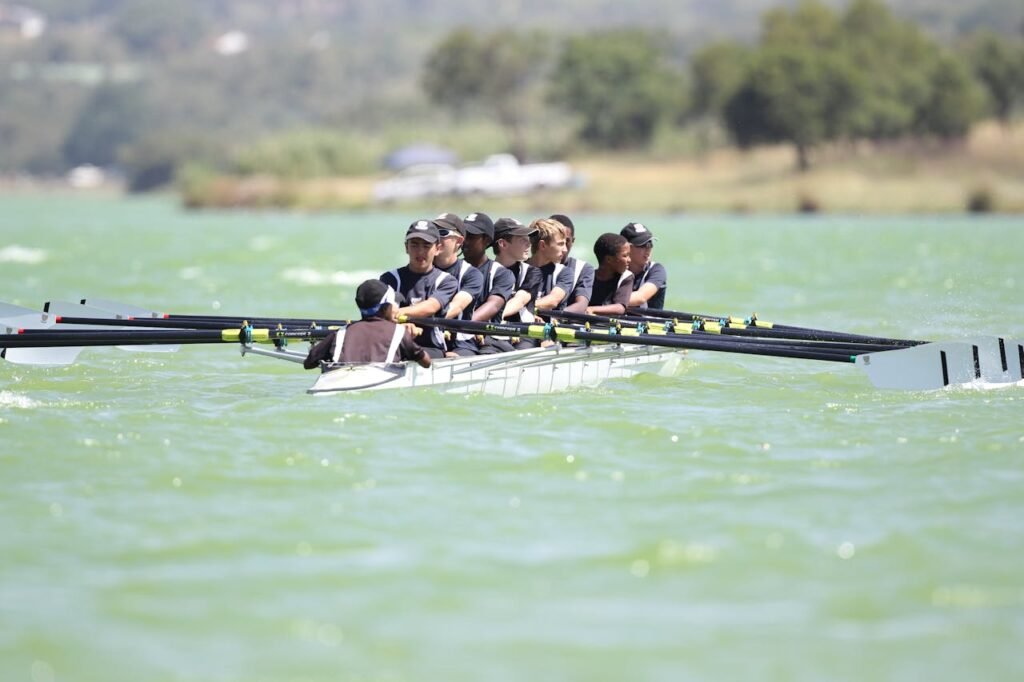
Proper technique is the cornerstone of effective and injury-free rowboat fitness. For beginners, it’s crucial to prioritize form over speed or power. The rowing stroke is a continuous, fluid motion, but it can be broken down into four distinct phases: The Catch, The Drive, The Finish, and The Recovery.
The Catch
This is the starting position of your stroke.
- Position: Your knees should be bent, shins vertical (or close to it), body leaned slightly forward from the hips (not rounded back), and arms extended straight out, hands gripping the oars.
- Key Point: Ensure your core is engaged, and your shoulders are relaxed.
The Drive
This is the powerful part of the stroke.
- Sequence: Initiate the drive with your legs, pushing off the foot stretcher. As your legs extend, hinge back slightly from your hips, and then pull the oars towards your body with your back and arms.
- Power: The power comes primarily from your legs (60%), followed by your core and back (30%), and finally your arms (10%).
- Key Point: Think of it as pushing with your legs first, then swinging your body back, then pulling with your arms.
The Finish
This is the end of the drive.
- Position: Legs should be fully extended, body leaned slightly back (about 10-20 degrees from vertical), and hands pulled towards your lower ribs or sternum.
- Key Point: Ensure your wrists are flat and strong, not bent.
The Recovery
This is the return to the catch position.
- Sequence: Extend your arms first, pushing them away from your body. Once your hands are clear of your knees, hinge forward from your hips, allowing your body to follow your arms. Finally, bend your knees, sliding the seat forward to return to the catch position.
- Key Point: The recovery should be controlled and about twice as long as the drive phase. This allows for rest and prepares you for the next powerful stroke.
- Common Mistake: Rushing the recovery or bending knees too early, which compromises body angle.
Visualizing the stroke and watching experienced rowers can be incredibly helpful. Online resources, such as those from reputable rowing organizations or fitness sites, often provide excellent tutorials on rowing technique.
Designing Your Beginner Rowboat Fitness Workout
Once you understand the basics of technique and safety, you can start structuring your workouts. For beginners, consistency and gradual progression are key.
Warm-up and Cool-down
Never skip these crucial phases.
- Warm-up (5-10 minutes): Light cardio (like walking around the dock or gentle rowing) and dynamic stretches (arm circles, leg swings, torso twists) prepare your muscles and joints for activity, reducing injury risk.
- Cool-down (5-10 minutes): Gentle rowing at a very low intensity, followed by static stretches focusing on major muscle groups used in rowing (hamstrings, quads, back, chest, shoulders). Holding each stretch for 20-30 seconds.
The importance of a proper warm-up and cool-down is a fundamental principle of exercise science.
Building Endurance Gradually
For your first few weeks, focus on consistent, steady-state rowing.
- Frequency: Aim for 2-3 sessions per week on non-consecutive days.
- Duration: Start with 20-30 minute sessions (including warm-up and cool-down). Gradually increase your rowing time by 5-10 minutes each week.
- Intensity: Maintain a conversational pace. You should be able to speak in full sentences, but still feel like you’re working.
- Focus: Emphasize maintaining correct form throughout your workout.
Incorporating Interval Training
Once you’ve built a solid base of endurance (after 4-6 weeks of consistent steady-state rowing), you can start introducing interval training to boost your cardiovascular fitness and power.
- Structure: Alternate periods of high-intensity rowing with periods of low-intensity recovery.
- Example: After your warm-up, row at a high intensity (challenging but sustainable for a short burst) for 1 minute, followed by 2 minutes of easy, recovery rowing. Repeat this cycle 4-6 times, then cool down.
- Progression: Gradually increase the duration of your high-intensity intervals or decrease the duration of your recovery intervals as your fitness improves.
Interval training is a highly effective method for improving aerobic and anaerobic capacity. You can find more details on the benefits of high-intensity interval training (HIIT) from reputable health organizations.
Sample Beginner Rowboat Fitness Workout Plan Phases
| Phase | Focus | Frequency | Duration (Active Rowing) | Intensity | Notes |
|---|---|---|---|---|---|
| Phase 1 | Form & Consistency | 2-3 times/week | 15-20 minutes | Easy, conversational | Prioritize perfect technique; short, frequent sessions. |
| Phase 2 | Endurance Building | 3 times/week | 25-35 minutes | Moderate, steady-state | Increase duration; focus on maintaining pace. |
| Phase 3 | Intro to Intervals | 2 steady-state, 1 interval | 30-40 minutes | Mixed (HIIT) | Introduce 1-minute hard, 2-minute easy intervals (4-6 rounds). |
| Phase 4 | Advanced Intervals | 1 steady-state, 2 interval | 40-50 minutes | Mixed (HIIT) | Increase hard interval time (e.g., 2 min hard, 2 min easy). |
Remember to always include a 5-10 minute warm-up and cool-down for each session. Listen to your body and adjust intensity and duration as needed. Overtraining can lead to injury and burnout.
Common Beginner Mistakes to Avoid
Even with the best intentions, beginners often fall into common traps. Being aware of these can help you sidestep them.
Over-relying on Arms
Many beginners mistakenly try to pull the oars primarily with their arms. This quickly leads to arm fatigue, reduces the effectiveness of the workout, and can strain your shoulders and back. Remember, the legs are your powerhouse. Think: Legs, Body, Arms, then Arms, Body, Legs for the recovery. A balanced stroke recruits all major muscle groups synergistically.
Rushing the Recovery
A rushed recovery compromises your ability to generate power in the next stroke and can disrupt your balance. The recovery phase is for resetting and preparing. Allow it to be controlled, smooth, and about twice as long as the drive. This allows your muscles a brief moment to recover and your body to get into the optimal position for the next powerful push.
Ignoring Safety Protocols
Neglecting basic safety precautions like wearing a PFD, checking weather conditions, or bringing enough water can turn a refreshing workout into a dangerous situation. Always prioritize your safety and be aware of your surroundings on the water. Boating safety is a shared responsibility, and resources like the U.S. Coast Guard Auxiliary offer valuable courses.
Frequently Asked Questions (FAQ)
Q1: How often should a beginner row for fitness?
A1: Beginners should aim for 2-3 rowboat fitness sessions per week, with at least one rest day in between to allow for muscle recovery and adaptation. Gradually increase frequency as your fitness improves.
Q2: What’s the best type of rowboat for a beginner focusing on fitness?
A2: For beginners, a stable recreational rowboat is an excellent starting point. If you’re serious about maximizing your fitness, a sliding-seat sculling boat will provide a more comprehensive workout, though it requires more initial practice for balance. Consider renting different types to find what suits you best.
Q3: How can I prevent blisters on my hands?
A3: Blisters are common for new rowers. To prevent them, consider wearing thin, well-fitting rowing gloves. Ensure your grip on the oars is firm but not death-gripping; excessive tension can contribute to friction. Over time, your hands will toughen up.
Q4: Is rowboat fitness a good way to lose weight?
A4: Yes, rowboat fitness can be an excellent component of a weight loss strategy. It’s a full-body, calorie-burning exercise that also builds muscle, which boosts metabolism. Combined with a balanced diet, consistent rowing can significantly contribute to weight management goals. For evidence-based approaches to exercise and weight loss, refer to the CDC.
Conclusion
Rowboat fitness offers an unparalleled opportunity to sculpt your physique, boost your cardiovascular health, and find peace amidst the beauty of nature. For beginners, the journey starts with a commitment to safety, a focus on proper technique, and a gradual progression in your workouts. By understanding the fundamentals of the stroke, preparing with essential gear, and listening to your body, you can transform your time on the water into a highly effective and immensely rewarding fitness endeavor. So, grab your oars, don your PFD, and embark on your journey to a stronger, healthier you with the rhythmic power of rowboat fitness.