We have all been there. You have just finished a gruelling session at the gym, perhaps pushing for a new personal best on the squat rack or running that extra kilometre. You feel accomplished, but within hours, that familiar stiffness begins to set in. By the next morning, getting out of bed feels like a monumental task.
While we often focus heavily on the workout itself, the magic of progress actually happens during the recovery phase. This is when your body repairs tissue damage and rebuilds muscle fibres to be stronger than before. To facilitate this, many athletes turn to expensive supplements, protein powders, and complex recovery protocols.
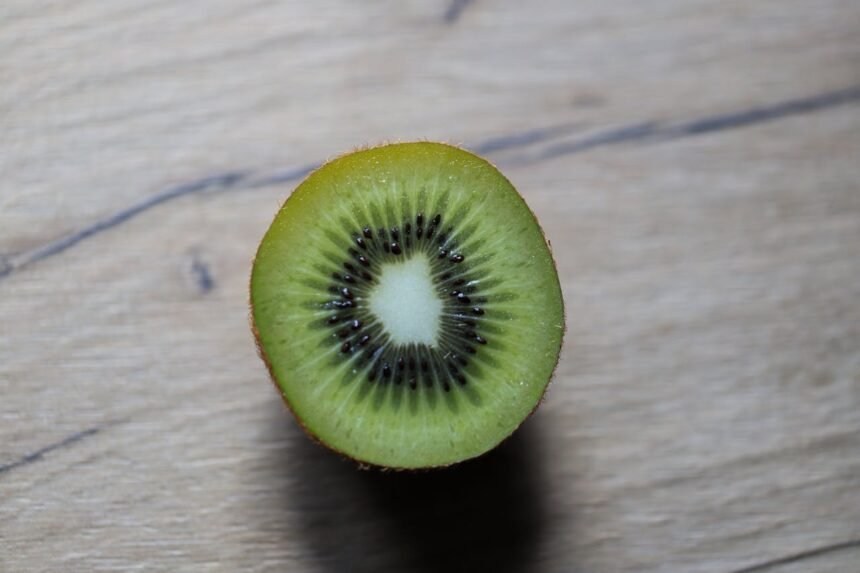
However, the answer to accelerated recovery might be sitting in your fruit bowl. Emerging research suggests that the humble kiwi fruit could be a powerhouse for muscle repair. Packed with unique enzymes, vital electrolytes, and specific antioxidants, kiwi for muscle recovery is gaining traction among sports nutritionists. But is it truly a superfood, or just another health fad?
Overview
Muscle recovery is a physiological process that restores the body to homeostasis following the stress of exercise. When you engage in strenuous physical activity, you deplete your glycogen stores (the body’s primary energy source) and cause microscopic tears in your muscle tissue. This is a natural and necessary part of building strength, but it requires adequate nutritional support to heal correctly.
According to NHS guidelines on physical activity, rest and nutrition are paramount. Without the right building blocks, your body remains in a catabolic (muscle-wasting) state rather than an anabolic (muscle-building) one. Traditionally, bananas have been the go-to fruit for athletes due to their potassium content. However, the nutritional profile of the kiwi fruit—specifically the gold and green varieties—offers a broader spectrum of recovery benefits.
Kiwi fruit is chemically complex. It is not just a source of carbohydrates for energy replenishment; it is a functional food containing bioactive compounds that interact with digestion and inflammation pathways. As detailed in a comprehensive Healthline guide, combining carbohydrates with protein and antioxidants is the gold standard for post-workout meals. Kiwi fits this criteria perfectly, acting as a catalyst for protein absorption and a shield against oxidative stress.
Symptoms and causes of muscle fatigue
To understand why kiwi for muscle recovery is effective, one must first understand the “symptoms” of a hard workout and the biological causes behind them. The primary complaint following exercise is Delayed Onset Muscle Soreness (DOMS).
The inflammatory response
DOMS typically appears 24 to 48 hours after exercise. It is characterised by muscle tenderness, reduced range of motion, and local swelling. This is caused by the body’s inflammatory response to the micro-trauma incurred during lifting or running. While some inflammation is necessary to signal repair, excessive inflammation can prolong pain and delay your return to training.
Oxidative stress
During intense exercise, your body consumes oxygen at a much higher rate, leading to the production of free radicals. These unstable molecules can damage cells, proteins, and DNA, a condition known as oxidative stress. If your antioxidant defence system is overwhelmed, recovery slows down. Research suggests that prolonged oxidative stress is a major contributor to muscle fatigue and underperformance.
Electrolyte imbalance
Muscles require specific minerals to contract and relax. Calcium, potassium, sodium, and magnesium are critical. When you sweat, you lose these electrolytes. A deficiency, particularly in potassium, can lead to painful cramping and muscle weakness. While hydration plays a pivotal role, water alone cannot replenish these lost minerals.
Poor protein utilisation
Even if you consume high amounts of protein, your body must break it down into amino acids to use it for repair. Inefficient digestion or low stomach acid can mean that the expensive protein shake you drank is not being fully utilised to repair the damage caused by your workout.
Diagnosis and treatment: The Kiwi advantage
While you cannot “diagnose” a need for kiwi fruit in a clinical sense, identifying the signs of poor recovery—lingering soreness, poor sleep, and fatigue—indicates a need for nutritional intervention. Treating these issues with whole foods is often superior to synthetic supplementation. Here is how kiwi functions as a treatment for muscle damage.
1. Vitamin C for collagen synthesis
It is a common misconception that oranges are the king of Vitamin C. In reality, kiwi fruit contains significantly more Vitamin C per gram. This vitamin is essential for the synthesis of collagen, the primary structural protein in your connective tissues and muscles. Furthermore, Vitamin C helps metabolise cortisol, the stress hormone that can degrade muscle tissue if left unchecked. By keeping cortisol levels manageable, you create a better environment for growth.
2. Actinidin and protein digestion
One of the most unique properties of green kiwi fruit is the presence of a proteolytic enzyme called actinidin. This enzyme specifically breaks down proteins in the digestive tract. Studies on actinidin have shown that it improves the digestion of proteins from meat, soy, and dairy. Adding a kiwi to your post-workout protein shake ensures that your body absorbs the amino acids more efficiently, accelerating the repair process.
3. Potassium replenishment
While bananas are famous for potassium, kiwis are formidable contenders. Two medium kiwis provide a substantial amount of potassium, roughly equivalent to a banana, but with less sugar and higher nutrient density. This helps restore the electrolyte balance required for proper muscle contraction and prevents the dreaded post-run cramps. For a comparison of potassium sources, you can check potassium-rich alternatives.
4. Sleep enhancement
Sleep is the ultimate recovery tool. Interestingly, kiwi fruit is rich in serotonin, a precursor to melatonin, the hormone that regulates sleep cycles. The Sleep Foundation notes that consuming kiwis before bed may improve sleep onset and duration. Better sleep equals higher growth hormone release, which is critical for muscle recovery.
Nutritional Breakdown: Kiwi vs. Banana
| Nutrient (per 100g) | Green Kiwi | Banana | Benefit for Recovery |
|---|---|---|---|
| Energy (kcal) | 61 | 89 | Kiwi is lower calorie, ideal for lean gains. |
| Vitamin C (mg) | 92.7 | 8.7 | Kiwi reduces oxidative stress significantly better. |
| Potassium (mg) | 312 | 358 | Comparable electrolyte support. |
| Fibre (g) | 3.0 | 2.6 | Supports gut health and nutrient absorption. |
| Sugar (g) | 9.0 | 12.2 | Kiwi provides energy without a massive spike. |
Tips for management
Incorporating kiwi for muscle recovery into your routine is simple, but timing and preparation matter. Here are practical tips to manage your recovery nutrition effectively.
- Eat the skin: It might sound unappealing to some, but the skin of the kiwi contains a high concentration of antioxidants and fibre. If you can tolerate the fuzzy texture (or opt for the smoother Gold variety), washing and eating the fruit whole drastically increases the nutrient intake.
- The pre-bed protocol: Due to the serotonin content, aim to eat two kiwis approximately one hour before bed. This dual-action strategy supports overnight protein synthesis and improves sleep quality.
- The post-workout smoothie: Blend a green kiwi (peeled if you prefer) with your whey or plant-based protein shake. The actinidin will begin working on the protein immediately, aiding digestion. Be careful not to leave it sitting too long, or the enzyme might break down the protein too much, altering the texture.
- Follow balanced guidelines: While kiwi is excellent, it should be part of a broader diet. Refer to the Eatwell Guide to ensure you are meeting all your macronutrient needs.
- Pair with hydration: Electrolytes in kiwi work best when you are well-hydrated. Ensure you are drinking enough water alongside your fruit intake.
Frequently Asked Questions
Green or Gold Kiwi: Which is better?
Both are excellent, but they have different strengths. Green kiwi is higher in the enzyme actinidin and fibre, making it superior for digestion. Gold kiwi typically has higher Vitamin C levels and a smoother skin, making it easier to eat whole. For muscle recovery, either will suffice, but Green has the edge for protein digestion.
How many kiwis should I eat?
Most studies regarding sleep and recovery suggest a serving size of two medium kiwis per day. This provides a therapeutic dose of antioxidants without excessive sugar intake.
Can kiwi replace stretching?
No. Nutrition supplements physical recovery techniques; it does not replace them. You should still prioritise cool-downs and stretching as outlined by sports nutrition strategies.
The bottom line
Is kiwi a magic bullet? No single food is. However, the evidence supporting kiwi for muscle recovery is robust. Its unique combination of superior Vitamin C content, potassium, sleep-aiding serotonin, and the protein-digesting enzyme actinidin places it in a tier above many other fruits.
For athletes and gym-goers looking to optimise their results, adding two kiwis to your daily diet is a low-cost, high-reward strategy. It addresses inflammation, digestion, and sleep simultaneously—the three pillars of effective recovery. Next time you finish a workout, consider reaching for a kiwi instead of a processed energy bar; your muscles will likely thank you for it.
Always remember that consistent training must be matched with consistent nutrition. Check out antioxidant properties of other foods to build a complete recovery diet plan.