When most people think of leafy greens, kale and spinach often steal the spotlight. However, mustard greens are a potent, peppery alternative that deserves a prominent place on your plate. Known scientifically as Brassica juncea, these greens are a staple in many Asian, African, and Southern American cuisines.
Mustard greens belong to the Brassica family of vegetables, which also includes broccoli, cauliflower, and Brussels sprouts. They are celebrated not only for their distinct, pungent flavour—often described as a mix of horseradish and freshly cut herbs—but also for their impressive nutrient density.
Research suggests that incorporating these greens into your diet can significantly boost your intake of fibre, vitamins, and beneficial plant compounds. Whether eaten raw in salads to retain their crunch or cooked to mellow their spicy kick, the mustard greens benefits are extensive and well-documented.
This article provides an exhaustive look at the nutritional profile, health benefits, and culinary uses of mustard greens, written in the style of Healthline.
Overview
Mustard greens are the leaves of the mustard plant. While the seeds are commonly used to produce the popular condiment, the leaves themselves are a nutritional powerhouse. Historically, they have been cultivated for thousands of years, particularly in the Himalayan region of India, as well as in China.
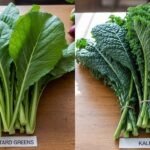
There are several varieties of mustard greens, ranging in texture and intensity. Some have broad, flat leaves, while others, like the curly varieties, add texture to dishes. The flavour profile is largely determined by a group of compounds called glucosinolates, which are also responsible for many of the plant’s defence mechanisms.
From a health perspective, these greens are low in calories but rich in fibre and micronutrients. They are particularly noted for their high concentrations of Vitamin K, Vitamin A, and Vitamin C. Furthermore, as a cruciferous vegetable, they contain powerful antioxidants that play a role in reducing inflammation and protecting cells from damage.
Understanding the composition of mustard greens is essential to appreciating how they function within the body to support long-term health.
Causes/Factors: The Nutritional Profile and Bioactive Compounds
The primary “factors” contributing to the health benefits of mustard greens are their specific vitamin and mineral compositions. These greens are virtually fat-free and low in carbohydrates, making them an excellent choice for various dietary management plans, including keto and low-calorie diets.
Here is a breakdown of the nutritional content for one cup (approx. 56 grams) of chopped, raw mustard greens:
| Nutrient | Amount | % Daily Value (DV) |
|---|---|---|
| Calories | 15 | – |
| Protein | 2 grams | 4% |
| Fat | <1 gram | 0% |
| Carbohydrates | 3 grams | 1% |
| Fibre | 2 grams | 7% |
| Vitamin K | 144 mcg | 120% |
| Vitamin A | 150 mcg | 9% |
| Vitamin C | 39 mg | 44% |
| Copper | 0.1 mg | 10% |
High Levels of Antioxidants
One of the main causes for the health-promoting properties of mustard greens is their rich antioxidant profile. Antioxidants are naturally occurring plant compounds that help defend your body against oxidative stress—an imbalance between free radicals and antioxidants in your body.
Mustard greens are particularly high in flavonoids and beta carotene. These compounds have been linked to a reduced risk of developing chronic conditions, such as heart disease and type 2 diabetes. The National Institutes of Health highlights that brassica vegetables are superior sources of phenolics and antioxidants compared to many other vegetable groups.
Vitamin K and Bone Health
Perhaps the most significant factor in the nutritional profile of mustard greens is Vitamin K. Just one cup provides well over 100% of your daily needs. Vitamin K is best known for its vital role in blood clotting. Without sufficient Vitamin K, the body cannot control bleeding effectively.
However, it also plays a critical role in bone health. Vitamin K serves as a cofactor for osteocalcin, a protein that is essential for bone formation. Some studies suggest that adequate Vitamin K intake is associated with higher bone mineral density and a lower risk of hip fractures.
Glucosinolates and Cellular Protection
The sharp flavour of mustard greens comes from glucosinolates. When you chop or chew the greens, these compounds are broken down into isothiocyanates. These bioactive substances have been studied for their potential to inhibit the growth of certain cancer cells, although more human research is needed to confirm these effects definitively. A study published in PubMed discusses the chemopreventive potential of isothiocyanates found in cruciferous vegetables.

Treatment/Management: Dietary Incorporation and Precautions
While mustard greens are not a medical “treatment,” managing your intake of them can serve as a preventative measure for various health issues. Conversely, certain individuals must manage their consumption due to potential interactions.
Supporting Heart Health
Managing cholesterol levels is a key component of heart health. Interestingly, the method of preparation impacts how mustard greens interact with cholesterol. Steam-cooking mustard greens significantly increases their ability to bind bile acids in the digestive system.
Bile acids are produced by the liver using cholesterol. When fibre and plant compounds bind to bile acids, they are excreted from the body rather than reabsorbed. This forces the liver to use more cholesterol to produce new bile acids, effectively lowering circulating cholesterol levels. Healthline notes that steamed mustard greens are particularly effective at this mechanism, rivaling the cholesterol-lowering ability of some medications.
Eye Health Management
Mustard greens contain lutein and zeaxanthin, two antioxidants specifically beneficial for eye health. These compounds accumulate in the retina and help protect the eyes from oxidative damage caused by blue light. Adequate intake of these nutrients is linked to a reduced risk of age-related macular degeneration (AMD), the leading cause of blindness worldwide. For more on this, the American Optometric Association provides detailed guidance on lutein’s role in eye health.
Immune Function
Managing your immune system requires consistent intake of Vitamin C. A single cup of raw mustard greens provides nearly half of your daily Vitamin C requirement. Vitamin C is essential for the function of white blood cells, which fight infection. It is worth noting that Vitamin C is heat-sensitive; therefore, lightly cooking or eating the greens raw preserves the most vitamin content.
Important Precautions
While beneficial for most, there are specific factors to consider regarding mustard greens benefits versus risks:
- Blood Thinners: Due to their incredibly high Vitamin K content, mustard greens can interfere with blood-thinning medications like Warfarin (Coumadin). Sudden changes in Vitamin K intake can alter the medication’s effectiveness. Consistency is key. Consult the NHS or your GP before making drastic diet changes if you are on anticoagulants.
- Oxalates: Like spinach, mustard greens contain oxalates, which can contribute to kidney stones in sensitive individuals. Those with a history of oxalate stones should consume these greens in moderation and ensure they stay well-hydrated. The National Kidney Foundation offers guidelines on managing oxalate intake.
Practical Tips
Incorporating mustard greens into your diet is straightforward, but their strong flavour requires some culinary finesse. Here are practical ways to select, store, and prepare them.
Selection and Storage
When shopping, look for fresh, crisp leaves with a vibrant green colour. Avoid leaves that are yellowing, wilted, or have thick, fibrous stems.
To store them, wrap the unwashed greens in a damp paper towel and place them in a sealed plastic bag in the refrigerator’s crisper drawer. They should stay fresh for up to three to four days. If you need to store them longer, they can be blanched and frozen.
Preparation Methods
1. Raw in Salads:
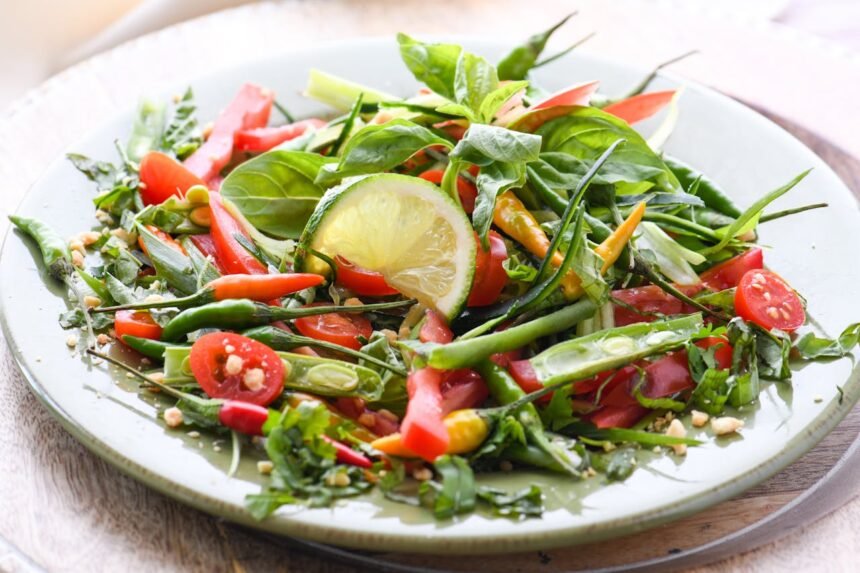
If the peppery bite is too intense, mix baby mustard greens with milder lettuces like spinach or romaine. The acidity of a lemon vinaigrette can also help cut through the spiciness.
2. Sautéed:
Sautéing with healthy fat, such as olive oil, helps your body absorb the fat-soluble vitamins (K and A). Garlic and onion pair exceptionally well with the greens.
3. Pickled:
In many Asian cuisines, mustard greens are pickled (fermented). This not only preserves them but also introduces beneficial probiotics for gut health. A study in the World Journal of Gastroenterology highlights the benefits of fermented vegetables.
4. Added to Soups and Stews:
The robust texture of mustard greens allows them to hold up well in soups. Add them in the last 10 minutes of cooking to soften them without losing all their texture.
A Simple Sauté Recipe
- Ingredients: 1 bunch mustard greens (washed and chopped), 2 cloves garlic (minced), 1 tbsp olive oil, a pinch of red pepper flakes, lemon juice.
- Method: Heat the oil in a pan over medium heat. Add garlic and pepper flakes, cooking until fragrant (1 minute). Add the greens and toss until wilted (3-5 minutes). Finish with a squeeze of fresh lemon juice and a pinch of salt.
For further culinary inspiration, BBC Good Food offers excellent suggestions on handling brassicas.
The Bottom Line
Mustard greens are significantly nutritious and offer a distinct alternative to more common leafy vegetables. They are low in calories but dense in fibre, Vitamin K, Vitamin C, and protective antioxidants.
The mustard greens benefits extend from supporting bone and eye health to potentially lowering cholesterol and reducing oxidative stress. Their peppery flavour adds depth to salads, stir-frys, and soups.
However, due to their high Vitamin K content, individuals taking blood thinners should consume them with care and maintain a consistent diet. For the general population, adding mustard greens to your weekly rotation is an excellent strategy to boost nutrient intake and diversify your palate.
Whether you choose to steam them to boost their cholesterol-lowering powers or eat them raw for a Vitamin C punch, mustard greens are a worthy addition to a healthy lifestyle.
For more detailed nutritional data, you can refer to the USDA FoodData Central. Additionally, general dietary guidelines for leafy greens can be found via the British Heart Foundation.