Coconut milk tea is a luscious and creamy beverage that blends the earthy notes of tea with the tropical richness of coconut milk. This drink has surged in popularity across the globe, becoming a staple in many modern cafes.
Essentially, it is a variation of the classic milk tea, which typically uses dairy or soy products. By substituting these with coconut milk, the beverage takes on a unique velvety texture and a naturally sweet profile.
Whether you prefer it hot on a rainy afternoon or iced on a scorching summer day, this drink offers a versatile experience for every palate. It is often served with chewy additions like tapioca pearls or jelly.
The Rise of Tropical Flavours in Tea
Historically, tea cultures have always experimented with local ingredients. In tropical regions, the abundance of coconuts made them a natural companion for tea leaves.
Today, the global trend towards plant-based diets has pushed dairy-free bubble tea options to the forefront of the industry. People are increasingly looking for alternatives that don’t sacrifice flavour or creaminess.
Coconut milk tea satisfies this demand perfectly. It bridges the gap between traditional tea traditions and modern dietary preferences, providing a satisfying, plant-based indulgence.
Nutritional Breakdown of Coconut Milk Tea
Understanding the coconut milk tea nutrition facts is essential for those who enjoy this beverage regularly. The nutritional profile varies significantly depending on the ingredients used.
A standard serving typically contains calories from the coconut milk, any added sweeteners, and the tea itself. Here is a brief overview of what you might find in a typical 250ml glass:
| Nutrient | Amount (Approx.) |
|---|---|
| Calories | 150 – 250 kcal |
| Total Fat | 10g – 15g |
| Saturated Fat | 9g – 13g |
| Carbohydrates | 15g – 30g |
| Sugars | 10g – 25g |
| Protein | 1g – 2g |
As seen in the table, the primary source of calories is fat and sugar. However, coconut milk provides unique types of fats known as Medium-Chain Triglycerides (MCTs).
Healthy Fats and MCTs
One of the most discussed health benefits of coconut milk is its high concentration of MCTs. Unlike long-chain fatty acids, MCTs are metabolised differently by the body.
They are sent directly to the liver, where they can be used as an immediate energy source. Some studies suggest that mct oil benefits may include supporting weight management and brain health.
Incorporating mct oil in tea through coconut milk can provide a sustained energy boost without the sharp crash associated with high-sugar drinks. This makes it a popular choice for those following specific dietary programmes.
Is Coconut Milk Tea Healthy?
The question of whether is coconut milk tea healthy depends entirely on the preparation. At its core, tea is rich in antioxidants, and coconut milk contains beneficial minerals.
However, many commercial versions are loaded with refined sugars and syrups. To keep it healthy, it is best to opt for unsweetened coconut milk and natural sweeteners like stevia or a small amount of honey.
According to the Harvard T.H. Chan School of Public Health, the saturated fat in coconut products should be consumed in moderation as part of a balanced diet.
Comparing to Traditional Milk Tea
When looking at is bubble tea healthy, the dairy version often contains more lactose and different proteins. Coconut milk is naturally lactose-free, making it an excellent choice for those with sensitivities.
While coconut milk is higher in saturated fat than skimmed milk, it provides a richer mouthfeel. This means you might need less of it to feel satisfied, potentially helping with portion control.
Choosing a low calorie coconut tea involves using a high-quality tea base and a splash of light coconut milk rather than the thick canned variety. This keeps the drink refreshing and light.
The Best Tea Bases for Coconut Milk
Choosing the best tea for coconut milk is a crucial step in creating the perfect cup. Different tea leaves interact with the fats in coconut milk in various ways.
- Black Tea: The robust, malty notes of black tea, like Assam or Ceylon, stand up well to the richness of coconut.
- Green Tea: For a lighter, more grassy flavour, Jasmine or Sencha can be used, though the coconut may overpower the delicate notes.
- Oolong Tea: This provides a complex, floral, and slightly toasted profile that complements the sweetness of coconut perfectly.
- Thai Tea: A specific blend of spices and black tea, used to make the famous thai coconut milk tea.
Each variety offers different antioxidants in tea. For instance, green tea vs black tea research shows that both offer unique cardiovascular benefits.
Selecting Your Tea Strength
Because coconut milk is quite thick, you should brew your tea stronger than usual. This ensures that the tea flavour remains prominent even after the milk is added.
Use two tea bags or an extra teaspoon of loose-leaf tea per cup. Steep it for the maximum recommended time to extract the full depth of flavour.
A strong brew acts as a sturdy backbone for the creamy coconut. This balance is what makes a creamy coconut milk tea recipe truly stand out from the rest.
How to Make Homemade Coconut Boba Tea
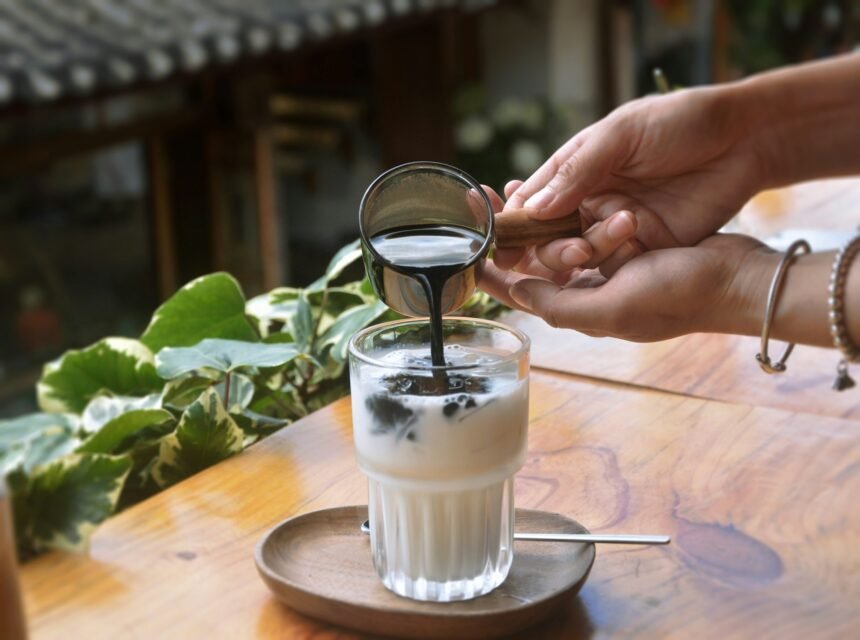
Creating a homemade coconut boba experience is easier than you might think. It allows you to control the sugar content and the quality of the ingredients.
First, prepare your tapioca pearls with coconut water or plain water. Once they are chewy and cooked, let them sit in a small amount of syrup to prevent sticking.
Next, brew your chosen tea and let it cool. If you are making iced coconut milk tea variations, make sure the tea is completely cold before mixing to prevent the coconut milk from separating.
The Perfect Recipe Steps
- Brew 200ml of strong black or oolong tea.
- While the tea is hot, stir in your preferred sweetener (honey, maple syrup, or stevia).
- Allow the tea to cool to room temperature or chill in the fridge.
- Fill a tall glass with ice and add a scoop of prepared tapioca pearls.
- Pour in the chilled tea until the glass is three-quarters full.
- Top with 50ml to 100ml of full-fat coconut milk and stir gently.
This method ensures a beautiful layered effect before you mix it all together. It is the ultimate vegan boba tea guide for beginners looking for a luxury treat at home.
Customising Your Drink
The beauty of this beverage lies in its customisation. You can adjust every element to suit your nutritional needs or flavour preferences.
For those looking for a keto friendly bubble tea, simply omit the tapioca pearls and use a sugar-free sweetener. The high fat content of the coconut milk fits perfectly within a ketogenic lifestyle.
If you prefer a fruitier note, try adding a splash of mango purée or fresh pineapple juice. This enhances the tropical vibe and adds a layer of natural sweetness.
Choosing Your Toppings
While tapioca is traditional, there are many other options. Coconut jelly, aloe vera, or even chia seeds can add interesting textures to your drink.
According to The Kitchn, adding different textures can significantly enhance the sensory experience of homemade beverages. It makes the drink feel like a dessert rather than just a refreshment.
Be mindful that toppings often add extra calories. If you are drinking coconut milk tea for weight loss, consider skipping the pearls and sticking to the tea and milk alone.
Benefits of Switching to Coconut Milk
Many people switch to coconut milk for digestive reasons. It is naturally free from lactose, which is a common allergen found in cow’s milk.
Research on dairy substitutes suggests that plant-based milks can be easier on the stomach for those with sensitivities. Coconut milk also contains lauric acid, which may have antimicrobial properties.
Furthermore, Medical News Today reports that coconut milk is a good source of iron and magnesium, which are vital for energy production and bone health.
Skin and Hair Health
While mostly anecdotal, some believe the fats in coconut milk contribute to healthier skin and hair. Staying hydrated with tea also plays a massive role in maintaining skin elasticity.
The Mayo Clinic emphasises that proper hydration is key to overall health. Adding a flavourful option like coconut milk tea makes it easier for some people to meet their fluid intake goals.
Just remember to balance your intake with plenty of plain water throughout the day. This ensures you get the benefits without over-consuming liquid calories.
Potential Downsides to Consider
Despite the benefits, it is important to be aware of the saturated fat content. Coconut milk is high in these fats, which has been a topic of debate in the nutrition world.
The saturated fat found in coconuts is primarily lauric acid, which can raise both HDL (good) and LDL (bad) cholesterol. Moderation is the most important factor here.
Organisations like the British Nutrition Foundation recommend keeping saturated fat intake within certain limits to support cardiovascular health.
Sugar Content in Commercial Drinks
The biggest pitfall of store-bought coconut milk tea is the sugar. A large cup can contain as much sugar as several doughnuts.
When ordering out, always ask for “half sugar” or “no sugar.” You can also check if they have stevia or other natural alternatives available.
Comparing honey vs sugar, honey offers some trace minerals, but it still contributes to your daily sugar limit. Use all sweeteners sparingly.
Expert Tips for the Best Flavour
To get that cafe-quality taste, you need to use the right type of coconut milk. There is a big difference between the coconut milk in a carton and the one in a tin.
Carton milk is usually diluted and better for drinking straight. Canned coconut milk is much thicker and creamier, making it ideal for a decadent milk tea.
According to Serious Eats, shaking the can before opening is vital. This redistributes the fat that often separates and rises to the top during storage.
Temperature Matters
If you are serving your tea hot, do not boil the coconut milk. High heat can cause the milk to curdle or lose its delicate sweetness.
Instead, gently warm it and whisk it into the hot tea. This creates a smooth, frothy texture that feels incredibly luxurious on the tongue.
For cold drinks, ensure all components are chilled. Adding ice to warm tea will dilute the flavour and ruin the creamy coconut milk tea recipe you worked so hard on.
Sustainable and Ethical Choices
When purchasing ingredients, consider the environmental impact. Look for Fair Trade certified tea and sustainably sourced coconut milk.
The BBC Good Food guide often highlights the importance of choosing ethical brands to support global farmers. This ensures that your treat doesn’t come at a high cost to the planet.
Many brands now offer organic options that are free from synthetic pesticides. This is better for the environment and may be better for your long-term health as well.
Supporting Local Tea Shops
While making it at home is fun, supporting local businesses is also important. Many independent tea shops offer unique dairy-free bubble tea options that you won’t find in large chains.
Ask your local barista about the origin of their tea. Many take great pride in sourcing high-quality leaves that provide a superior flavour profile.
This also gives you a chance to see how professionals layer their drinks. You might even find inspiration for your next homemade coconut boba creation.
Frequently Asked Questions (FAQ)
Can I use coconut water instead of coconut milk?
Yes, but the result will be very different. Coconut water is thin and refreshing, while coconut milk is thick and creamy. Coconut water tea is more of a fruit tea than a milk tea.
Is coconut milk tea suitable for vegans?
Absolutely! As long as you don’t use honey as a sweetener or dairy-based toppings, it is a 100% vegan-friendly beverage. It is one of the most popular vegan boba tea guide recommendations.
How many calories are in a coconut milk tea?
A typical 500ml shop-bought version can have between 300 and 500 calories. A homemade low calorie coconut tea can be as low as 80-100 calories if you use light milk and no sugar.
What is the best tea for coconut milk?
Strong black teas like Assam or Earl Grey are generally considered the best tea for coconut milk because they provide a robust flavour that isn’t lost in the creaminess.
Can coconut milk tea help with weight loss?
While coconut milk tea for weight loss isn’t a magic solution, replacing high-calorie dairy shakes with a controlled, sugar-free version might help. See more on best tea for weight loss.
Does coconut milk tea contain caffeine?
Yes, if you use traditional tea leaves. If you want a caffeine-free version, you can use herbal infusions like rooibos or decaffeinated black tea.
The Bottom Line
Coconut milk tea is more than just a trend; it is a delicious, versatile beverage that offers a range of textures and flavours. Whether you are looking for a dairy-free alternative or just a tropical treat, it is a fantastic choice.
By making it at home, you can enjoy all the health benefits of coconut milk while keeping the sugar content in check. It allows for endless experimentation with different tea bases and toppings.
Remember to enjoy it as part of a balanced diet. With the right ingredients, this drink can be a nourishing addition to your daily routine, providing both comfort and a boost of energy.
Whether you’re sipping on a thai coconut milk tea or a simple iced version, the combination of tea and coconut is truly a match made in heaven. Give it a try and discover your new favourite way to drink tea!