If you have ever stood in the produce aisle of your local supermarket or browsed a greengrocer’s stall, you may have found yourself debating between string beans and runner beans. While they appear quite similar, these two legumes have distinct characteristics, histories, and culinary uses.
Both belong to the legume family, yet they offer slightly different textures and flavours that can alter a dish. More importantly for the health-conscious consumer, there are nuances in their nutrient density that are worth exploring.
Understanding runner beans nutrition compared to that of string beans can help you make informed choices for your diet, whether you are managing blood sugar, looking to boost your fibre intake, or simply trying to eat more greens.
This article provides an exhaustive look at the nutritional differences, health benefits, and practical uses of these popular beans.
Overview
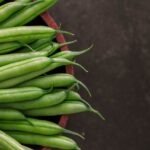
String beans, often referred to as green beans, French beans, or snap beans, are scientifically known as Phaseolus vulgaris. They are harvested while the beans are still young and tender. They are typically round in cross-section, smooth, and sweet.
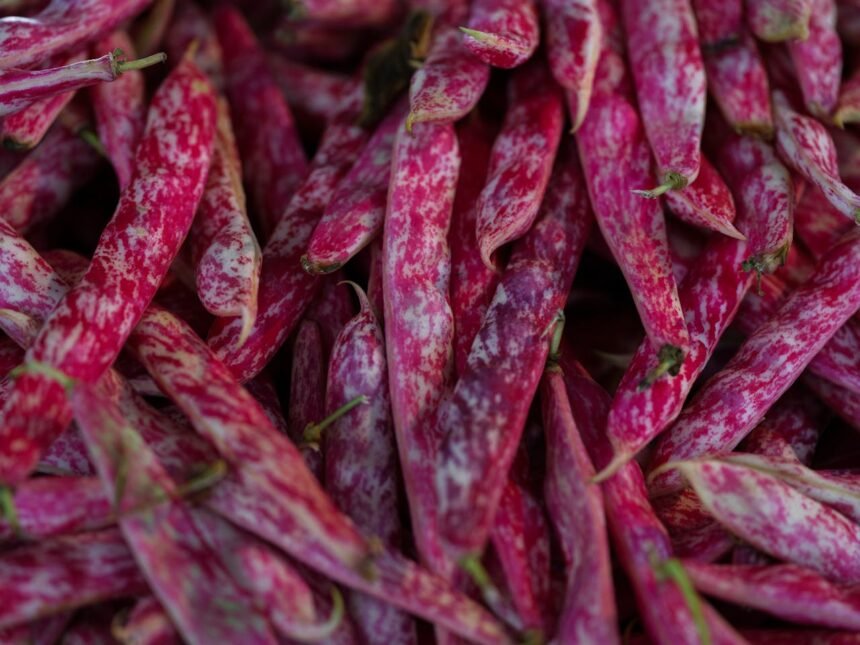
Runner beans (Phaseolus coccineus), on the other hand, are a staple in British allotments and gardens. They are flatter, larger, and have a coarser skin compared to string beans. They are often prized for their ornamental flowers as well as their edible pods.
From a dietary perspective, both varieties are nutritional powerhouses. They are low in calories but rich in vitamins, minerals, and phytonutrients. However, the specific concentrations of these nutrients can vary based on the maturity of the bean and the soil in which they were grown.
Choosing between them often comes down to personal taste and texture preference, but knowing the science behind their composition can highlight why you might choose one over the other for specific health goals.
Factors: Nutritional Differences and Composition
When analysing the nutritional profiles of these beans, it is essential to look at the macronutrient and micronutrient breakdown. Both are excellent sources of plant-based nutrition, but there are subtle variances.
Botanical and Physical Factors
The primary difference lies in their species. String beans are harvested early, meaning the seeds inside are underdeveloped. This gives them a consistent texture and a milder flavour.
Runner beans are often left to grow longer. Consequently, the pods develop a fibrous “string” along the seam—which is historically how string beans got their name, though modern string beans have been bred to be stringless. Runner beans generally have a more robust, earthy flavour and a coarser texture, contributing to higher insoluble fibre content.
Nutritional Breakdown
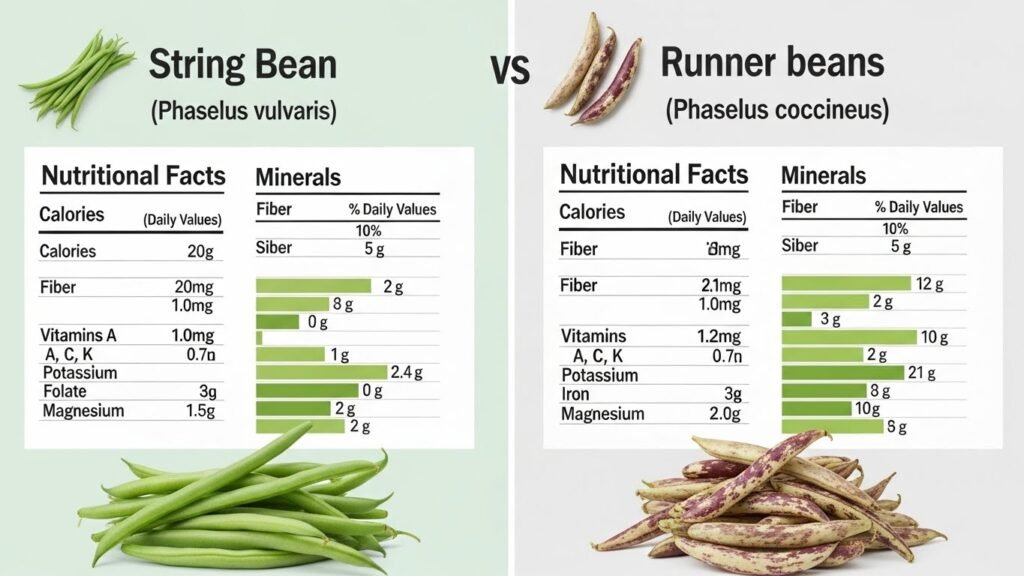
To understand the value of runner beans nutrition, we must compare it directly with string beans. Below is a comparison of approximately 100 grams of boiled beans.
| Nutrient | String Beans (Green Beans) | Runner Beans |
|---|---|---|
| Calories | 31 kcal | 29 kcal |
| Protein | 1.8 g | 2.0 g |
| Carbohydrates | 7.0 g | 6.0 g |
| Fibre | 2.7 g | 3.2 g |
| Vitamin C | 12.2 mg | 16.0 mg |
| Folate (B9) | 33 mcg | 39 mcg |
| Vitamin K | 43 mcg | 40 mcg |
The Fibre Factor
One of the most significant factors in the health profile of these legumes is their fibre content. Runner beans tend to be slightly higher in dietary fibre.
Fibre is crucial for digestive health, helping to prevent constipation and promote a healthy gut microbiome. Furthermore, adequate fibre intake is linked to a reduced risk of heart disease. According to the British Nutrition Foundation, most adults in the UK do not eat enough fibre, making runner beans an excellent addition to the diet.
Vitamin Density
Both beans are rich in Vitamin C, an antioxidant that protects cells from oxidative stress. However, runner beans often edge out string beans slightly in this category.
Vitamin K is another critical nutrient found in abundance here. Vitamin K plays a key role in blood clotting and bone metabolism. A single serving provides a substantial portion of your daily requirement.
Antioxidants and Phytonutrients
Both varieties contain potent antioxidants, including flavonols like quercetin and kaempferol. These compounds help combat inflammation in the body. Research has highlighted the antioxidant properties of flavonoids in reducing the risk of chronic diseases.
Runner beans, with their often darker or thicker skins, may contain slightly higher concentrations of certain polyphenols, although the difference is negligible for the average consumer.
Management: Preparation and Dietary Integration
Incorporating these beans into your diet requires some management regarding preparation and safety. Unlike some vegetables that can be eaten raw with abandon, certain beans require cooking.
Safety and Toxicity
It is vital to note that raw beans contain a compound called lectin, specifically phytohaemagglutinin. This can cause gastric distress, nausea, and vomiting if consumed in large quantities.
While kidney beans have the highest concentration, runner and string beans also contain lectins. Cooking neutralises this toxin. Generally, boiling or steaming for at least 10 minutes is sufficient. You can read more about the toxicity of raw beans to ensure safe preparation practices.
Culinary Preparation
From a culinary management perspective, the texture determines the method.
String Beans:
- Steaming: Preserves the most Vitamin C.
- Sautéing: Adds flavour but adds fat calories.
- Blanching: Keeps them crisp for salads.
Runner Beans:
- Slicing: Because they are fibrous, runner beans are traditionally “frenched”—sliced into thin, diagonal strips.
- De-stringing: It is almost always necessary to remove the tough fibrous string running down the side of the pod before cooking.
- Boiling: They often require slightly longer cooking times than thin string beans to soften the skin.
For more on the nutritional benefits of green beans and how to prepare them, checking reliable health resources is always recommended.
Managing Blood Sugar
Both beans have a low Glycaemic Index (GI), making them suitable for people managing diabetes. The complex carbohydrates release energy slowly, preventing spikes in blood sugar.
Organisations like Diabetes UK recommend pulses and legumes as a staple for blood glucose management.
Practical Tips
To maximise the benefits of runner beans nutrition and string bean versatility, consider these practical tips for buying, storing, and eating.
Selection and Storage
- Check the Snap: When buying fresh string beans, look for a firm texture. They should snap audibly when broken.
- Smooth Skin: Avoid runner beans that look bulging; this indicates the beans inside are over-developed, and the pod will be tough and leathery.
- Refrigeration: Store unwashed beans in a reusable bag in the vegetable crisper of your fridge. They should last for up to a week.
- Freezing: Both varieties freeze excellently. Blanch them for two minutes, plunge into ice water, dry, and freeze. This locks in nutrients.
Increasing Absorption
- Pair with Fat: Vitamins A and K are fat-soluble. Drizzle a small amount of olive oil or serve with nuts to help your body absorb these nutrients.
- Pair with Iron: Plant-based iron is less easily absorbed than animal iron. However, the high Vitamin C content in these beans aids iron absorption. This makes them a perfect side dish for leafy greens.
Gardening Tips
If you have the space, growing your own is the best way to ensure nutrient density, as vitamins degrade after harvest. The Royal Horticultural Society notes that runner beans are particularly suited to the UK climate.
Versatile Serving Ideas
- Warm Salads: Toss blanched beans with cherry tomatoes, feta, and balsamic glaze.
- Stir-frys: String beans add a perfect crunch to Asian-inspired dishes.
- Casseroles: Runner beans hold their shape well in slow-cooked stews.
The Bottom Line
When weighing up string beans versus runner beans, there is no distinct loser. Both provide exceptional health benefits, low calories, and high mineral content.
However, regarding runner beans nutrition, they do offer a marginal advantage in fibre and Vitamin C content. They are a heartier option that may keep you feeling fuller for longer.
String beans win on convenience and texture versatility, requiring less preparation (no de-stringing) and appealing to pickier eaters who dislike coarse textures.
Ultimately, the best bean is the one you enjoy eating. By rotating both into your diet, you ensure a broad intake of phytonutrients and keep your meals interesting. Aim to fill half your plate with vegetables like these to meet the NHS guidelines on 5-a-day.
Whether you choose the delicate crunch of a string bean or the robust, earthy flavour of a runner bean, you are making a positive choice for your long-term health.
Reliable data for nutritional content is sourced from the USDA FoodData Central database. Always consult a healthcare professional before making drastic changes to your diet, especially if you have specific digestive conditions.