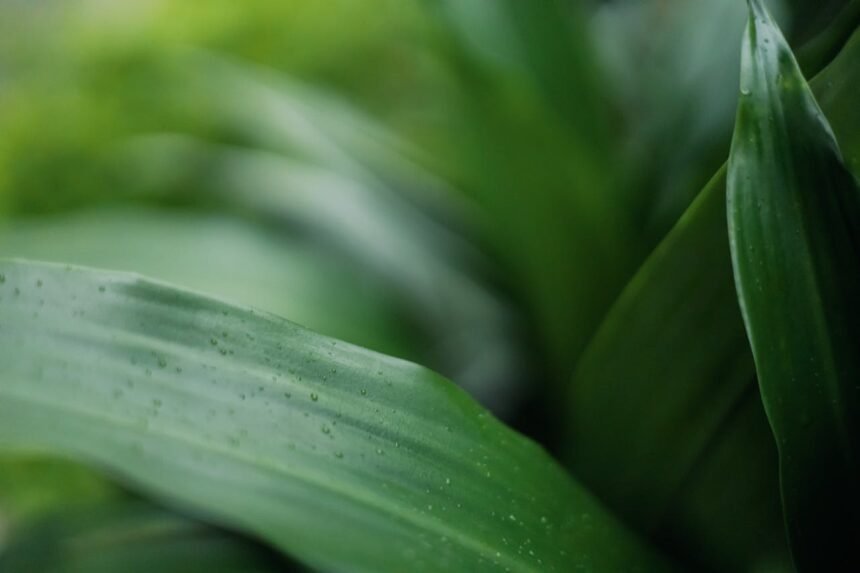
Pandan leaves are a staple in Southeast Asian culture, prized for their unique aroma and vibrant green colour. Often referred to as the “vanilla of the East”, this tropical plant offers far more than just culinary appeal. In recent years, it has gained popularity worldwide for its impressive wellness properties.
What are Pandan Leaves?
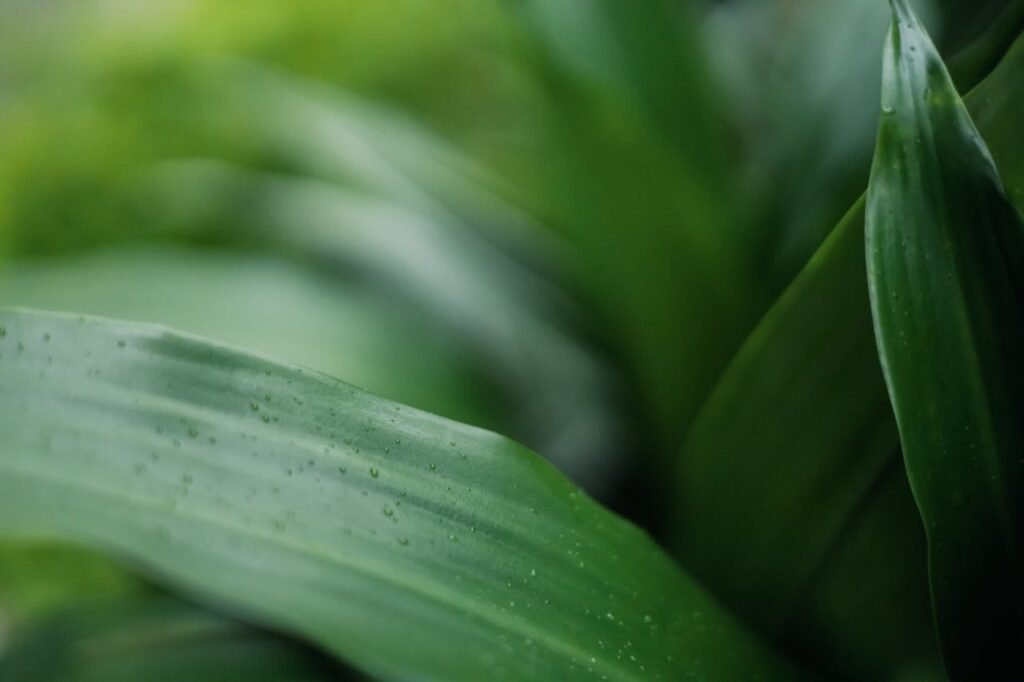
Pandan (Pandanus amaryllifolius) is a tropical plant featuring long, blade-like leaves. When crushed or boiled, these leaves release a sweet, grassy scent with hints of rose and almond. The botanical profile of Pandanus amaryllifolius shows it is unique among its species because of its highly aromatic nature.
Historically, the traditional uses of pandan leaves range from flavouring rice dishes to serving as natural medicine. Today, they remain one of the most versatile Asian cooking ingredients available to home chefs.
Nutritional Profile
You might wonder about the nutritional value of pandan leaves before adding them to your diet. These leaves are an excellent source of vitamins, minerals, and antioxidants. Research into phytochemicals and antioxidants highlights that pandan is particularly rich in beta-carotene, a precursor to vitamin A.
Beta-carotene helps protect your cells from oxidative stress and supports healthy vision. Incorporating pandan into a balanced diet can be a great way to boost your intake of essential vitamins. For comprehensive dietary advice, it is always best to consult a registered dietitian.
Potential Health Benefits
Blood Sugar Management
Early studies suggest that pandan may help regulate blood glucose levels. Many people explore the health benefits of drinking pandan water as a complementary approach to daily wellness.
If you are focused on managing blood sugar, pandan tea could be a soothing addition to your routine. However, it should never replace formal blood sugar management treatments prescribed by your doctor.
Joint Pain and Inflammation
In traditional medicine, pandan is often applied topically to ease joint pain. The natural remedies using pandan leaves are supported by modern science, which has identified strong anti-inflammatory properties in the plant’s natural oils.
Adding pandan to an anti-inflammatory diet may help soothe minor aches and pains over time. Always listen to your body and consult a professional for chronic pain.
Relaxation and Sleep
If you struggle to wind down at night, the calming aroma of pandan might help. Trying a simple pandan leaf tea recipe for sleep can quickly become a comforting evening ritual. This aligns well with the use of natural sleep aids to promote better rest.
Practising good sleep hygiene alongside herbal remedies can significantly improve your overall sleep quality. Furthermore, the gentle scent of pandan is often used in aromatherapy for stress relief.
Culinary Applications
Learning how to use pandan leaves in cooking opens up a world of culinary possibilities. The leaves are typically boiled to extract their flavour or wrapped tightly around meats before grilling. It is important to follow standard food safety guidelines when preparing fresh leaves to ensure they are thoroughly washed.
Pandan is especially famous for its role in baking. You will often find it in sweet desserts using pandan flavour, such as vibrant chiffon cakes and sticky rice treats. These striking green creations are a wonderful addition to your collection of healthy dessert recipes.
When shopping, you might debate pandan paste vs pandan extract for your recipes. Paste is usually thicker and more vibrantly coloured, while extract provides a concentrated liquid flavour. If you enjoy making plant extracts at home, boiling fresh pandan leaves is a simple and rewarding process.
If you run out mid-recipe, finding a pandan extract substitute for baking can be tricky. Vanilla extract mixed with a drop of almond essence is the closest alternative. You can also pair these substitutes with natural sugar substitutes for healthier, balanced bakes.
Alternative Household Uses
Beyond the kitchen, pandan offers surprising household benefits. For instance, using pandan leaves for hair growth is a traditional beauty practice in Southeast Asia. The leaves are crushed into a paste to nourish the scalp, serving as one of many effective home remedies for hair.
Additionally, the strong scent of the leaves naturally repels insects. Utilising pandan leaves for pest control is an eco-friendly way to keep cockroaches and ants at bay. This method is a fantastic addition to your repertoire of natural pest repellents. The use of natural botanicals for pest management is widely recognised in tropical agriculture.
Sourcing and Storage
If you are wondering where to buy fresh pandan leaves UK shoppers have a few great options. They are commonly found in the produce section of Asian supermarkets or ordered through speciality online grocers. Always look for bright green leaves without brown spots, as recommended by nutritional guidelines for fresh produce.
Knowing how to store fresh pandan leaves ensures they maintain their delightful aroma for as long as possible. Wrap them in damp kitchen paper and keep them in the vegetable drawer of your fridge for up to a week. Alternatively, you can freeze them for several months to use later in warming herbal teas.
Boiling frozen leaves in water is a great way to stay hydrated throughout the day. Following general hydration advice is much easier when your water has a refreshing, natural flavour. You can explore more hydration tips to keep your daily fluid intake interesting and enjoyable.
Growing Your Own
For those interested in growing pandan plant indoors UK climates present a unique but rewarding challenge. Because it is a tropical plant, it requires plenty of sunlight and high humidity to thrive. This makes it an exciting project for anyone interested in indoor herb gardening.
Keep the soil moist but well-drained to prevent root rot. Pandan makes a beautiful, fragrant addition to a collection of tropical houseplants. For specific plant growing advice, consulting horticultural experts can help your new plant flourish.
Safety and Precautions
While generally safe, it is important to be aware of the side effects of eating pandan in large quantities. Consuming excessive amounts may cause mild stomach upset or a gentle laxative effect. As with any new food, introduce it gradually and stick to traditional medicine guidelines for moderate use.
If you are pregnant, breastfeeding, or managing a chronic health condition, speak to a healthcare professional before using pandan therapeutically. The use of complementary medicine should always be discussed with your doctor. This ensures you are using safe herbal supplements that will not interact with your current medications.
Always purchase commercially prepared pandan supplements from reputable sources. In the UK, checking for herbal medicine safety certifications guarantees product quality and peace of mind.