For generations, parents have turned to the kitchen cupboard for natural remedies to soothe a scraped knee or a tickly throat. Among these golden elixirs, raw honey* stands out as a favourite. But when it comes to our little ones, the sweet stuff comes with serious questions. Is it safe? When can they have it? And does *local honey for hay fever actually work?
This comprehensive guide explores everything you need to know about raw honey for toddlers and children, ensuring you can make informed, safe choices for your family.
The Golden Rule: When Can Kids Have Raw Honey?
Before we dive into the sticky benefits, we must address the most critical safety rule. You must never give honey to a child under the age of one.
This isn’t just an old wives’ tale; it is strictly advised by health authorities like the NHS and the CDC. The reason is a rare but serious condition called infant botulism. Raw honey—and even processed honey—can contain spores of a bacterium called Clostridium botulinum.
In adults and older children, our mature gut flora can easily handle these spores. However, a baby’s digestive system is still developing. If an infant ingests these spores, the bacteria can multiply and produce toxins that attack the nervous system. Infant botulism symptoms can be frightening, including muscle weakness, a weak cry, constipation, and difficulty breathing.
Once your child celebrates their first birthday, their digestive system is typically mature enough to handle honey safely. From this point on, you can introduce it as a delicious, natural addition to their diet.
Raw vs. Pasteurised Honey: Which is Best for Your Child?
Walk down the aisle of any UK supermarket, and you will see jars labelled ‘pure’, ‘blended’, or ‘raw’. Understanding the difference is key to unlocking the potential health benefits.
* Pasteurised Honey: This is the clear, runny honey you often see in teddy bear-shaped bottles. It has been heated to high temperatures and filtered to remove pollen and prevent crystallisation. While it looks pretty, the heat can destroy delicate enzymes and antioxidants.
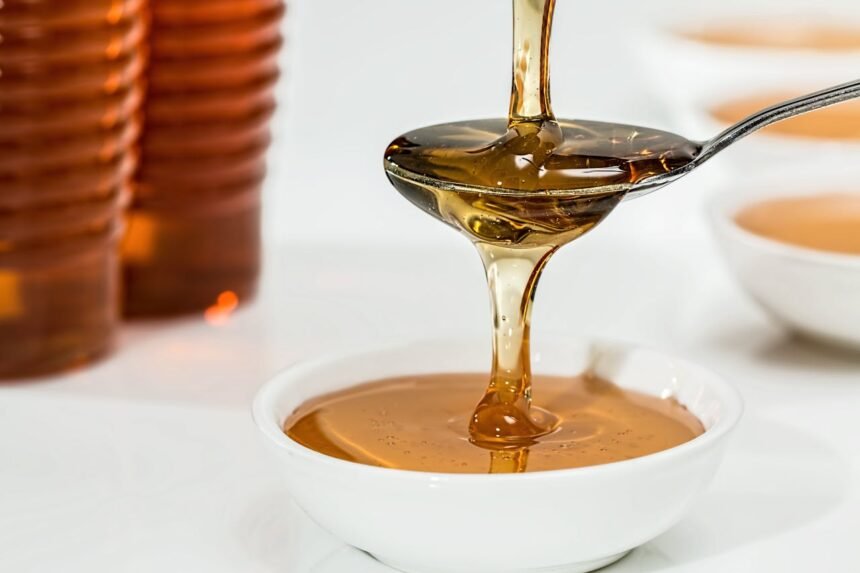
Raw Honey:** This is honey as it exists in the beehive. It is usually strained to remove beeswax and dead bees but is never heated above natural hive temperatures. Consequently, *unpasteurised honey safety relies on the natural antimicrobial properties of the honey itself. It retains natural enzymes, vitamins, and traces of pollen.
For parents looking for a healthy sweetener for children, raw honey is generally considered superior due to its higher nutritional profile. Healthline notes that raw varieties contain more antioxidants, which are vital for fighting inflammation.
Top 5 Health Benefits of Raw Honey for Children
Once your child is old enough, raw honey for kids can be a fantastic addition to their wellness toolkit. Here is why parents love it.
1. A Natural Cough Remedy for Kids
Nothing disrupts a household like a coughing child at 2 AM. Surprisingly, studies suggest honey might be more effective than some over-the-counter medicines. A study highlighted by the Mayo Clinic found that honey can be as effective as dextromethorphan, a common cough suppressant.
The thick consistency coats the throat, soothing irritation, while its sweetness triggers salivation to thin mucus. A warm mug of honey lemon water recipe* (warm water, a teaspoon of raw honey, and a squeeze of lemon) is a classic *sleep aid for coughing kids.
2. Healing Cuts and Grazes
Did you know honey has been used as a wound dressing for centuries? High-quality raw honey, particularly Manuka honey for children, possesses powerful antibacterial properties. It creates a moist healing environment and its low pH prevents bacteria from growing.
According to DermNet NZ, medical-grade honey is increasingly used for wound care. For minor playground scrapes, applying a thin layer of honey on grazes under a plaster can help keep the wound clean and speed up healing.
3. An Immune System Boost for Kids
Raw honey contains phytonutrients derived from plants, which have antioxidant and anti-inflammatory benefits. Regular consumption of high-quality honey may support your child’s defences. While it isn’t a magic cure-all, using it as a substitute for refined sugar contributes to a better overall diet, acting as a gentle immune system boost for kids during flu season.
4. Digestive Health
Some research suggests that raw honey acts as a prebiotic, feeding the ‘good’ bacteria in your child’s gut. A healthy gut microbiome is essential for digestion and overall health. Using honey to sweeten natural yoghurt is a great way to double up on gut-friendly foods.
5. A Nutrient-Rich Energy Source
Kids are bundles of energy, and they need fuel. Unlike refined white sugar, which provides ’empty calories’, raw honey contains trace amounts of vitamins, minerals, and amino acids. Medical News Today confirms it offers a better nutritional profile than table sugar, making it a smarter choice for porridge or baking.
Does Local Honey Help with Hay Fever?
Every spring, the debate resurfaces: can local honey for hay fever reduce symptoms? The theory is that by eating honey containing local pollen, your body builds a tolerance—similar to a natural vaccine.
However, the scientific jury is still out. Organisations like Allergy UK note that most hay fever is caused by grass pollen, which is wind-borne. Bees, however, pollinate flowers, meaning the pollen in honey is heavy, floral pollen—not the grass pollen causing your child’s sneezes.
That said, many parents swear by it. Even if the ‘vaccine’ effect is anecdotal, the soothing properties of honey can still help relieve a scratchy throat caused by post-nasal drip during allergy season. If you want to try it, look for buying raw honey UK suppliers near your home.
How to Introduce Raw Honey to Your Child’s Diet
Transitioning to honey should be done gradually. Here are some kid-friendly ideas:
* The Porridge Topper: Swirl a teaspoon into warm (not boiling) oats. High heat can destroy the raw enzymes.
* Smoothie Sweetener: Add a dollop to a banana and berry smoothie for a natural energy kick.
* DIY Gummies: Make healthy fruit juice gummies using gelatin and raw honey.
* Toast Soldier Dip: A small pot of honey makes a fun dip for apple slices or toast fingers.
> Expert Tip: Manuka honey is graded by its UMF (Unique Manuka Factor). For general daily wellness, a lower grade (UMF 5+ or 10+) is sufficient and more affordable for families.
Safety First: Allergies and Precautions
While raw honey benefits are plentiful, safety remains paramount. Beyond the botulism risk for infants, you should be aware of potential allergies.
Honey allergy signs are rare but can occur, especially in children allergic to bee stings or pollen. Symptoms might include:
* Skin rashes or hives.
* Wheezing or coughing.
* Swelling of the face or lips.
If you notice these signs, stop use immediately and consult a GP. Furthermore, honey is still a form of sugar. To protect tiny teeth, the British Dental Association recommends keeping sugary foods to mealtimes rather than as snacks throughout the day.
Frequently Asked Questions
1. Can I give my 6-month-old honey if it is cooked?
No. Botulism spores are extremely heat-resistant. You should avoid all honey, including cooked or baked honey (like in honey cakes), for children under 12 months.
2. Which is the best honey for coughs in children?
Darker honeys, such as Buckwheat or Manuka, are often cited in studies like those from the Cochrane Library as being particularly effective due to their higher antioxidant content.
3. Is raw honey safe for toddlers with eczema?
Generally, yes. In fact, some parents use medical-grade honey topically on eczema patches. However, always do a patch test first to ensure there is no allergic reaction.
4. How much honey can my child eat per day?
The American Heart Association and NHS recommend limiting added sugars. For a toddler, a maximum of 3-4 teaspoons of added sugar (including honey) per day is a sensible limit.
5. Where is the best place for buying raw honey in the UK?
While health food shops are great, the best raw honey often comes from local beekeepers or farmers’ markets. This ensures you are getting a truly unpasteurised product and supporting local agriculture.
Conclusion
Raw honey is a wonderful gift from nature. It serves as a natural cough remedy*, a healer of scrapes, and a healthier alternative to white sugar. By following the golden rule of waiting until age one and choosing high-quality, *unpasteurised honey, you can safely sweeten your child’s life while boosting their well-being. Whether you are stirring it into a warm drink or spreading it on toast, a little jar of liquid gold is a must-have for every family kitchen.