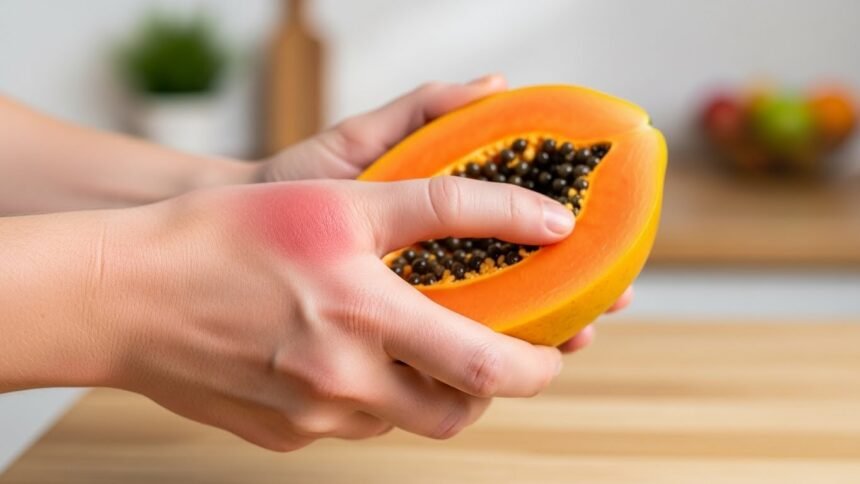
Papaya is often celebrated as a tropical superfood. It is packed with vitamins, antioxidants, and digestive enzymes like papain. For most people, adding this vibrant fruit to a breakfast bowl or a smoothie is a healthy choice that boosts digestion and immunity.
However, for a distinct group of individuals, eating papaya can trigger a distressing and potentially dangerous immune response. If you have ever felt a strange tingling in your lips or an upset stomach immediately after eating this fruit, you might not be imagining things. You could be experiencing a papaya allergy.
Living with a food allergy can feel isolating and anxious, especially when the trigger is a common ingredient in fruit salads and marinades. It is vital to understand that your symptoms are real and manageable.
This article explores the science behind papaya allergies, the surprising connection to latex, and the practical steps you can take to stay safe.
What Is a Papaya Allergy?
A papaya allergy occurs when your immune system mistakenly identifies certain proteins found in the papaya fruit as harmful invaders.
When you consume the fruit, your immune system releases antibodies known as Immunoglobulin E (IgE) to fight these proteins. This release triggers cells to send out chemicals, such as histamine, into your bloodstream. It is this chemical flood that causes the physical symptoms associated with an allergic reaction.
The Role of Chitinases
The specific proteins often responsible for this reaction are called chitinases. These are enzymes that the papaya plant produces to defend itself against fungi and insects.
Unfortunately, the structure of these enzymes is remarkably similar to proteins found in other plants and substances, leading to a phenomenon known as cross-reactivity. This means that if you are allergic to papaya, your body might also react to other items that share a similar protein structure.
According to the NHS guide on food allergies, recognising these triggers early is the most effective way to prevent severe reactions.
Symptoms, Signs, and Features
Symptoms of a papaya allergy can range from mild discomfort to severe, life-threatening reactions. They usually appear within minutes of eating the fruit, though they can sometimes be delayed by an hour or two.
1. Oral Allergy Syndrome (OAS)
For many, the reaction is confined to the mouth and throat. This is often linked to pollen allergies and is known as Oral Allergy Syndrome. Symptoms include:
- Itching or tingling of the lips, tongue, or roof of the mouth.
- Mild swelling of the lips or tongue.
- A sensation of scratchiness in the throat.
2. Skin Reactions
As the allergens enter the bloodstream, the skin often reacts visibly. You may notice:
- Urticaria (Hives): Raised, red, itchy welts that can appear anywhere on the body.
- Eczema flares: Red, dry, and scaly patches of skin.
- Angioedema: Swelling beneath the skin, often around the eyes or mouth.
3. Gastrointestinal Distress
Because the allergen enters through the digestive system, stomach issues are common. These symptoms can be easily confused with food intolerance but are immune-mediated:
- Abdominal pain and cramping.
- Nausea and vomiting.
- Diarrhoea.
4. Respiratory Issues
In more sensitive individuals, the reaction can affect the airways, leading to:
- Sneezing or a runny nose (rhinitis).
- Coughing or wheezing.
- Shortness of breath.
According to Asthma + Lung UK, food allergies can exacerbate asthma symptoms, making it crucial to manage dietary triggers carefully.
5. Anaphylaxis
In rare cases, papaya can cause anaphylaxis, a severe and potentially fatal reaction. Signs include:
- Difficulty breathing due to throat swelling.
- A sudden drop in blood pressure (hypotension).
- Dizziness, confusion, or loss of consciousness.
- A weak, rapid pulse.
If you suspect anaphylaxis, you must administer an adrenaline auto-injector (such as an EpiPen) if available and call 999 immediately. The Anaphylaxis Campaign provides vital resources on recognising these emergency signs.

Causes and The Latex-Fruit Syndrome
One of the most fascinating and problematic aspects of papaya allergy is its connection to latex allergy. This is scientifically referred to as Latex-Fruit Syndrome.
Natural rubber latex comes from the sap of the rubber tree (Hevea brasiliensis). The proteins found in natural latex are structurally very similar to the proteins found in papaya, as well as avocado, banana, and chestnut.
How It Works
Because the proteins look so similar on a molecular level, your body’s immune system gets confused. This is called molecular mimicry.
- If you are allergic to latex: Studies suggest that 30-50% of people with a latex allergy will also react to certain fruits, including papaya.
- If you are allergic to papaya: You have a higher risk of developing a sensitivity to latex products (like gloves or balloons).
This connection is well-documented. For a deeper understanding of these cross-reactions, you can read more about latex allergies on Healthline.
Other Cross-Reactive Foods
If you react to papaya, you should be cautious with other foods in the “latex group,” including:
- Avocado: High cross-reactivity risk.
- Banana: Very common co-allergy.
- Kiwi: Often linked to the same protein profiles.
- Chestnut: Frequently affects those with latex-papaya syndromes.
Diagnosis and Management
If you suspect a papaya allergy, self-diagnosis is not enough. You need medical confirmation to manage the risk effectively.
Diagnostic Steps
- Keep a Food Diary: Note down everything you eat and any symptoms that follow. This helps your GP identify patterns.
- Skin Prick Test (SPT): An allergist will place a tiny drop of papaya extract on your skin and prick it. If a bump appears, it indicates an allergy. You can learn more about how these tests work via the British Dietetic Association.
- Specific IgE Blood Test: This measures the amount of allergy-causing antibodies in your bloodstream.
- Oral Food Challenge: Under strict medical supervision, you eat small amounts of papaya to see if a reaction occurs. This is the gold standard for diagnosis.
Actionable Tips for Management
- Strict Avoidance: Read labels carefully. Papaya can hide in smoothies, fruit salads, and marinades (as a meat tenderiser).
- Check Cosmetic Labels: Papaya enzymes (papain) are often used in exfoliating face washes and shampoos. Always check the ingredients list. UK law requires clear labelling of major allergens, as detailed by GOV.UK guidelines.
- Carry Medication: If you have a severe allergy, carry antihistamines and two adrenaline auto-injectors at all times.
- Alert Restaurants: When dining out, explicitly state your allergy. Papaya is common in Thai and Caribbean cuisines (e.g., Som Tum salad).
Comparison: Allergy vs. Intolerance vs. Latex Syndrome
Understanding the nuance between these conditions is vital for proper treatment. The table below outlines the key differences.
| Feature | Papaya Allergy | Papaya Intolerance | Latex-Fruit Syndrome |
|---|---|---|---|
| Mechanism | Immune system (IgE) reaction. | Digestive system inability to process compounds. | Cross-reaction between latex and fruit proteins. |
| Onset | Immediate (minutes to 2 hours). | Delayed (hours). | Immediate (minutes). |
| Key Symptoms | Hives, swelling, wheezing, anaphylaxis. | Bloating, gas, diarrhoea, stomach cramps. | Itching, hives, anaphylaxis upon contact/ingestion. |
| Severity | Potentially life-threatening. | Uncomfortable but not fatal. | Potentially life-threatening. |
| Triggers | Papaya protein (chitinase). | High fibre or enzyme sensitivity (papain). | Latex products + Papaya, Avocado, Banana. |
| Treatment | Avoidance, Epinephrine, Antihistamines. | Dietary modification, digestive enzymes. | Avoidance of latex and cross-reactive fruits. |
Research published in the National Library of Medicine highlights the importance of distinguishing these clinical features to avoid unnecessary dietary restrictions or dangerous exposure.
Frequently Asked Questions
1. Can cooking papaya destroy the allergen?
Not necessarily. While heat can denature some proteins, many allergenic proteins in papaya are heat-stable. This means they can survive cooking, canning, or pasteurisation. It is safer to avoid the fruit entirely, regardless of how it is prepared.
2. Is papaya allergy genetic?
There is a genetic component to all allergies. If your parents have allergies (atopic dermatitis, hay fever, or food allergies), you are statistically more likely to develop them. Allergy UK notes that while you don’t inherit the specific allergy, you inherit the tendency to be allergic.
3. Can I use papaya soap if I am allergic to eating it?
No, you should avoid it. The skin is an organ, and allergens can be absorbed through it, causing contact dermatitis or systemic reactions. Papain (papaya enzyme) is a common ingredient in beauty products and should be avoided.
4. What is the difference between papaya and papain?
Papaya is the whole fruit. Papain is a specific enzyme extracted from the raw fruit used to tenderise meat and in digestive supplements. If you are allergic to papaya, you are likely allergic to papain as well.
5. If I am allergic to papaya, can I eat mango?
Mango belongs to the Anacardiaceae family (cashew family), while papaya is in the Caricaceae family. However, mango skin contains urushiol, which can cause reactions. While they are not directly related in the same way papaya and latex are, co-sensitisation can occur. It is best to consult an allergist.
The Bottom Line
Papaya allergy is a serious condition that requires vigilance and understanding. While papaya is a nutritional powerhouse for many, for those with an allergy, it presents a real risk ranging from oral itching to anaphylaxis.
The strong link between papaya and latex allergy means you must be aware of other potential triggers like avocados, bananas, and rubber products. This “cluster” of allergies is well-recognised by medical professionals.
If you suspect you have reacted to papaya:
- Stop eating it immediately.
- Consult a GP or allergist for testing.
- Carry emergency medication if prescribed.
By taking proactive steps and understanding the cross-reactivity, you can navigate your diet safely and without fear. Always prioritise professional medical advice for a definitive diagnosis.
For further reading on managing severe allergies, the Mayo Clinic offers excellent general guidance on lifestyle adjustments.