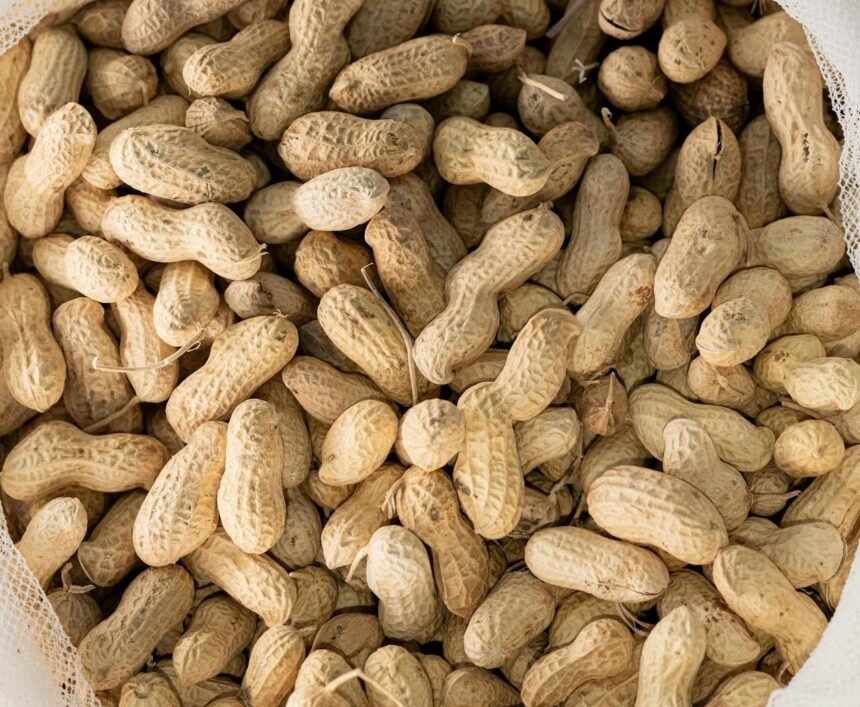
For gardening enthusiasts and sustainability advocates alike, the quest for the perfect soil amendment is ongoing. If you enjoy snacking on peanuts or growing them in your allotment, you are likely left with a significant amount of waste material.
Peanut shell compost is an often-overlooked solution that transforms fibrous hulls into black gold for your garden. Rather than sending this organic matter to a landfill, you can harness the natural decomposition process to improve your soil structure and nutrient profile.
While composting tough materials like peanut hulls requires patience and specific techniques, the reward is a slow-release nitrogen source and a significant boost to your soil’s ability to retain moisture. This process exemplifies peanut hull waste management at its finest, turning a byproduct into a resource.
This article explains the science behind composting peanut shells, the benefits for your garden, and a step-by-step guide to doing it effectively.
The Science of Peanut Shells in Compost
To understand why peanut shells are valuable, we must look at their composition. Peanut shells are extremely high in carbon and cellulose. In the world of composting, materials are generally categorised as ‘greens’ (nitrogen-rich) or ‘browns’ (carbon-rich).
Peanut shells fall strictly into the ‘browns’ category. They act similarly to wood chips or sawdust, providing the bulk and structure necessary for a healthy compost pile. However, their durability can be a double-edged sword.
The primary challenge with composting legumes—specifically their hard outer casings—is the lignin content in shells. Lignin is a complex organic polymer that makes plant cell walls rigid and woody. It is notoriously resistant to decay.
Because of this, tossing whole peanut shells into a compost bin often results in disappointment; they may remain intact for years. To facilitate organic matter decomposition, the shells must be processed and balanced correctly with nitrogen-rich materials.
Understanding the carbon-to-nitrogen ratio (C:N) is crucial here. Peanut shells have a very high C:N ratio. If you add too many shells without enough greens (like grass clippings or vegetable scraps), the decomposition process will stall, as the microbes lack the nitrogen fuel they need to work.
For a deeper understanding of C:N ratios, the Cornell University Waste Management Institute offers extensive data on composting chemistry.
Benefits for Your Garden Soil
Once properly broken down, peanut shell compost offers remarkable benefits to your garden ecosystem. It is not just about waste reduction; it is about soil enhancement.
1. Improving Soil Aeration
Because peanut shells retain some of their coarse texture even after partial decomposition, they are excellent for improving soil aeration. In heavy clay soils common across parts of the UK, this compost helps prevent compaction, allowing roots to breathe and expand.
2. Moisture Retention
The sponge-like nature of the decomposed cellulose helps sandy soils hold onto water. This reduces the need for frequent watering and protects plants during dry spells, aligning with sustainable gardening practices.
3. Nutrient Recycling
Peanut shells contain trace amounts of nitrogen, phosphorus, and potassium. By composting them, you are engaging in nutrient recycling in gardens, returning the minerals absorbed by the peanut plant back to the earth to fuel the next generation of crops.
For those interested in the broader agricultural impact, the USDA Natural Resources Conservation Service provides resources on how organic amendments support soil health.
Preparation: Before You Compost
Before throwing your shells onto the heap, you must consider the source. Are these shells from your own harvest, or are they from store-bought snacks?
If you are growing your own, perhaps utilising Essential Peanut Harvesting Tools for Small-Scale Growers, the shells are likely free of additives. However, commercial peanuts are often salted. Salt is toxic to plants and soil microbes.
If you are using shells from Dry Roasted Peanuts: A Heart-Healthy Snack Choice, you must rinse them thoroughly to remove sodium before composting. Failure to do so can sterilise your compost pile and harm your garden.
Additionally, the volume of shells will vary based on the variety you grow. Varieties discussed in A Guide to Valencia Peanuts: Sweetness and Nutrition Profile or Spanish Peanuts: Small Size, Big Flavour and High Oil Content have different shell thicknesses, which influences how quickly they break down.
Step-by-Step Guide to Composting Peanut Shells
To turn these stubborn shells into friable humus, follow this management plan.
1. Shredding and Crushing
This is the most critical step. You must increase the surface area for microbes to attack. Run the shells through a garden shredder, run over them with a lawnmower, or crush them manually. This aids in breaking down fibrous materials that would otherwise sit inert in the pile.
2. Soaking
Dry peanut shells are hydrophobic (water-repellent). Soak the crushed shells in water for 12 to 24 hours. This softening process makes the tissues more accessible to bacteria and fungi.
3. Mixing the Ratio
Combine your soaked, crushed shells with nitrogen-rich materials. A standard rule of thumb is 3 parts browns (shells) to 1 part greens (kitchen scraps, fresh grass). If you have access to manure, this is an excellent accelerator.
If you are also processing the byproduct of oil production, as detailed in A Beginner Guide to Peanut Oil Pressing at Home, the leftover press cake is a fantastic nitrogen booster to mix with the carbon-heavy shells.
4. Hot Composting
Because of the lignin, peanut shells respond best to hot composting. This involves maintaining a pile volume of at least one cubic metre and turning it frequently to introduce oxygen. The heat generated (ideally between 55°C and 65°C) softens the fibrous structure significantly faster than cold composting.
For guidelines on temperature management, the Royal Horticultural Society (RHS) provides excellent advice for UK gardeners.

Alternative Methods: Mulch and Vermicomposting
If maintaining a hot compost pile seems too labour-intensive, there are other ways to utilise this waste.
Direct Mulching
You can skip the compost pile and use the crushed shells as a top dressing. This acts as one of the best biodegradable mulch alternatives to plastic sheeting. It suppresses weeds and regulates soil temperature. For a deep dive on this specific application, read How to Use Peanut Shell Mulch in Your British Garden.
Vermicomposting
Can worms eat peanut shells? Yes, but with caveats. Vermicomposting peanut shells works only if the shells are ground into a near-powder or dust. Red wiggler worms cannot consume large, hard fragments. However, ground shells provide excellent grit for the worms’ digestion and help with acidity regulation in compost bins by improving airflow.
For more on worm composting, Garden Organic UK offers detailed protocols.
Troubleshooting Common Issues
Even with the best intentions, home composting nuts and shells can present challenges.
The Pile Isn’t Heating Up
This usually indicates a lack of nitrogen or moisture. Peanut shells are very dry. Ensure the pile is damp like a wrung-out sponge. If it is still cold, add more green materials or a natural activator like comfrey tea.
Pests and Rodents
Peanut shells can retain the scent of the nut, which may attract rats or mice. To mitigate this, ensure the shells are completely devoid of nut meat. If you are exploring exotic varieties like those in Jungle Peanuts: Exploring the Wild Ancestor of Modern Legumes, ensure no valuable seeds are left behind.
Also, always bury the shells deep within the centre of the pile, covering them with a layer of soil or finished compost. The US Environmental Protection Agency (EPA) notes that burying food scraps is essential for pest control.
Fungal Concerns
Peanuts are susceptible to moulds, including Aspergillus. While hot composting generally kills pathogens, it is wise not to compost shells from plants that looked diseased. Using certified disease-free stock, such as those mentioned in Growing Your Own: Best Practices for Organic Peanut Seeds, reduces this risk.
Integration with Other Peanut Byproducts
A sustainable garden often produces various types of waste. If you are using Using Peanut Meal as an Organic Fertiliser and Animal Feed, any uneaten feed can be added to the compost pile. It is high in protein (nitrogen) and balances the carbon in the shells perfectly.
Similarly, if you are experimenting with Peanut Sprouts: The New Superfood You Should Try, the discarded roots and seed coats are excellent “greens” that decompose rapidly, accelerating the breakdown of the tougher shells.
Environmental Impact
Using peanut shells as a garden soil amendment contributes to a circular economy. Instead of purchasing peat-based composts, which deplete endangered habitats, you are creating a renewable resource.
The Soil Association champions these organic principles, emphasising that healthy soil is the foundation of the food system. By recycling shells, you are also reducing the carbon footprint associated with waste transport.
Furthermore, adding complex organic matter supports soil biodiversity. The Food and Agriculture Organization (FAO) highlights that diverse soil inputs lead to more resilient microbial communities.
The Bottom Line
Peanut shell compost is a powerful tool for the organic gardener, provided you respect the biology of the shell. They are tough, fibrous, and carbon-heavy, requiring mechanical breakdown and a good dose of nitrogen to decompose effectively.
When managed correctly, they transform from a waste product into a rich, moisture-retentive amendment that aids in improving soil aeration and fertility. Whether you are growing standard varieties or unique ones like Red Skins—which offer their own Red Skin Peanuts: Antioxidant Benefits and Culinary Uses—the shells should never go to waste.
Be patient, keep your compost pile moist and hot, and you will be rewarded with dark, crumbly soil that fuels your garden for seasons to come. For more agricultural insights on peanut production and waste, the NC State Extension remains a leading authority.
Always remember to check your local guidelines regarding composting if you live in an urban area, and consider the Permaculture Association for more holistic design systems that integrate waste management into your lifestyle. Finally, always consult reliable health sources like Mayo Clinic regarding peanut allergies if you plan to use this compost on crops shared with others.