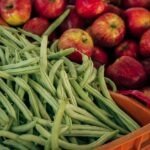
Why Green Beans are Essential for a Balanced Pregnancy Diet
Pregnancy is a transformative period that demands increased nutritional attention. As your body changes to support the developing life within you, the demand for specific micronutrients skyrockets. While many expectant parents focus on prenatal supplements, obtaining nutrients from whole foods remains the gold standard for optimal health.
Among the myriad of vegetables recommended during this crucial time, green beans stand out as a versatile, nutrient-dense option. Often overlooked in favour of leafy greens like spinach or kale, green beans (also known as string beans or snap beans) offer a unique profile of vitamins and minerals specifically beneficial for gestation.
Incorporating green beans pregnancy diets is not just about adding colour to your plate; it is about providing essential building blocks for your baby’s development and safeguarding your own well-being. From supporting neural tube development to managing blood sugar levels, this humble legume is a powerhouse of prenatal nutrition.
Overview: The Nutritional Powerhouse
Green beans are part of the legume family, though they are harvested while the beans are still young and tender inside their pods. Unlike dried beans, they are low in calories but rich in water, making them hydrating and light on the digestive system—a significant benefit when navigating pregnancy-related nausea.
A single cup of raw green beans contains a surprising array of essential nutrients. They are particularly noted for their high content of Vitamin K, Vitamin C, manganese, and folate. Furthermore, they provide a decent amount of calcium and iron, two minerals that are frequently deficient in pregnant women.
Understanding the nutritional density of green beans helps explain why dietitians often suggest them as a staple. They possess a low Glycaemic Index (GI), meaning they release energy slowly and do not cause rapid spikes in blood sugar, which is critical for managing energy levels and preventing gestational diabetes.
Nutritional Breakdown (Per 100g serving)
| Nutrient | Amount | % Daily Value (Pregnancy) |
|---|---|---|
| Fibre | 3.4 g | 12% |
| Vitamin C | 12.2 mg | 15% |
| Vitamin K | 43 mcg | 48% |
| Folate (B9) | 33 mcg | 8% |
| Iron | 1.03 mg | 4% |
| Manganese | 0.21 mg | 10% |
Key Benefits of Green Beans During Pregnancy
1. Folate for Neural Development
Perhaps the most critical nutrient during the first trimester is folate (Vitamin B9). It plays a vital role in DNA synthesis and cell division. Adequate folate intake is proven to prevent neural tube defects, such as spina bifida and anencephaly.
While prenatal vitamins contain folic acid (the synthetic form), obtaining natural folate from foods like green beans is highly beneficial. Green beans provide a bioavailable source of this vitamin, supporting the rapid growth of the foetus's nervous system. For a comprehensive list of folate-rich foods, you can refer to resources from the NHS.
2. High Fibre Content for Digestive Health
One of the most common and uncomfortable complaints during pregnancy is constipation. Hormonal changes, specifically the increase in progesterone, relax the muscles of the digestive tract, slowing down the passage of food. Additionally, iron supplements often prescribed during pregnancy can exacerbate this issue.
Green beans are an excellent source of dietary fibre. Consuming adequate fibre helps bulk up the stool and facilitates regular bowel movements, alleviating discomfort. Maintaining digestive health is also crucial for preventing haemorrhoids, another common pregnancy complication. You can read more about the importance of fibre on Healthline.
3. Iron to Combat Anaemia
During pregnancy, your blood volume increases by up to 50% to supply oxygen to the baby. This surge creates a massive demand for iron to produce haemoglobin. If this demand is not met, iron-deficiency anaemia can occur, leading to severe fatigue, weakness, and increased risk of preterm delivery.
Green beans contain non-heme iron (plant-based iron). While non-heme iron is less easily absorbed than animal-based iron, green beans also contain Vitamin C, which significantly enhances iron absorption. This natural synergy makes them a smart choice for maintaining iron levels. For more on iron needs, consult the American Pregnancy Association.
4. Vitamin K for Bone Health and Clotting
Vitamin K is essential for blood clotting—a critical function for both the mother during labour and the baby after birth. Furthermore, Vitamin K works in tandem with calcium and Vitamin D to build strong bones. As the baby’s skeleton mineralises, the mother’s stores can be depleted if dietary intake is insufficient.
Green beans are exceptionally rich in Vitamin K1 (phylloquinone). Regular consumption helps ensure that both mother and baby have adequate levels for bone integrity and coagulation processes. Learn more about Vitamin K functions at the National Institutes of Health.
5. Blood Sugar Regulation
Gestational diabetes affects many expectant mothers and requires strict dietary management. Foods with a high glycaemic load can cause dangerous spikes in glucose levels. Green beans are non-starchy vegetables with a low carbohydrate content and high fibre, making them ideal for blood sugar regulation.
The fibre in green beans slows the absorption of sugar into the bloodstream, providing a steady release of energy. This is endorsed by Diabetes UK as a strategy for managing glucose levels effectively.
Safety and Precautions
While green beans are generally safe and healthy, there are specific considerations for pregnant women to ensure food safety and optimal digestion.
Food Hygiene and Toxoplasmosis
Unwashed vegetables can carry harmful bacteria or parasites, such as Toxoplasma gondii, which causes toxoplasmosis. This infection can be dangerous for the foetus, potentially causing vision loss or neurological issues. It is imperative to wash green beans thoroughly under running water before preparation. The CDC provides strict guidelines on preventing this infection.
The Importance of Cooking: Lectins
Raw green beans contain lectins, a type of protein that can bind to the digestive tract and cause nausea, vomiting, and diarrhoea—symptoms that can be easily mistaken for morning sickness but are actually food poisoning. Cooking green beans neutralises these lectins.
Pregnancy already places stress on the digestive system, so avoiding raw green beans is advisable to prevent unnecessary gastrointestinal distress. Steaming or boiling them for just a few minutes is sufficient to make them safe while retaining their crunch and nutrients. Scientific perspectives on lectins can be found via Harvard T.H. Chan School of Public Health.
Canned vs. Fresh
While fresh green beans are optimal, frozen or canned options are convenient. However, canned green beans often contain high levels of added sodium. Excessive sodium intake can contribute to high blood pressure and fluid retention (oedema). If using canned beans, rinse them thoroughly to reduce sodium content, or opt for "no salt added" varieties. The FDA highlights the importance of label reading during pregnancy.
Practical Tips for Incorporation
Adding green beans to your pregnancy diet does not have to be monotonous. Their mild flavour makes them adaptable to various cuisines. Here are several evidence-based ways to prepare them to maximise nutrient retention.
Optimal Cooking Methods
- Steaming: This is the best method to preserve Vitamin C and Folate, which are water-soluble and heat-sensitive. Boil water and place the beans in a steamer basket for 5-7 minutes until tender-crisp.
- Blanching: Briefly boil the beans for 2-3 minutes, then plunge them into ice water. This sets the bright green colour and stops the cooking process, preserving the texture and nutrient profile.
- Roasting: Toss with a small amount of olive oil and roast at 200°C for 15 minutes. The healthy fats in olive oil aid the absorption of Vitamin K and Vitamin A.
Meal Ideas
- Warm Salads: Combine blanched green beans with quinoa, cherry tomatoes, and a lemon vinaigrette. The Vitamin C in the lemon and tomatoes will boost iron absorption from the quinoa and beans.
- Stir-fries: Add green beans to a chicken or tofu stir-fry. Ginger and garlic can help settle the stomach if you are experiencing nausea.
- Simple Side: Sauté steamed green beans with slivered almonds. Almonds provide additional calcium and magnesium, supporting muscle function and reducing leg cramps. See nutrient data on almonds at the USDA FoodData Central.
- Snacking: Keep chilled, cooked green beans in the fridge for a crunchy snack when cravings strike, serving them with a yoghurt-based dip for added probiotics.
The Bottom Line
Navigating nutrition during pregnancy can feel overwhelming, but focusing on whole, nutrient-dense foods simplifies the process. Green beans are an accessible, affordable, and highly beneficial addition to a balanced pregnancy diet.
They offer a unique combination of fibre for digestion, folate for neural development, and Vitamin K for blood clotting and bone health. Furthermore, their role in regulating blood sugar makes them a safe choice for mothers managing gestational diabetes. By washing them thoroughly and cooking them appropriately to neutralise lectins, you can safely enjoy this vegetable throughout your pregnancy.
Remember, a varied diet is key. While green beans are excellent, they should be part of a colourful plate filled with diverse fruits, vegetables, lean proteins, and whole grains. Always consult with your GP, midwife, or a registered dietitian to tailor your dietary choices to your specific medical needs. For more broad advice on heart-healthy eating which applies to pregnancy, visit the British Heart Foundation.
By choosing nutrient-rich foods like green beans, you are laying the strongest possible foundation for your baby’s growth and your own postpartum recovery.