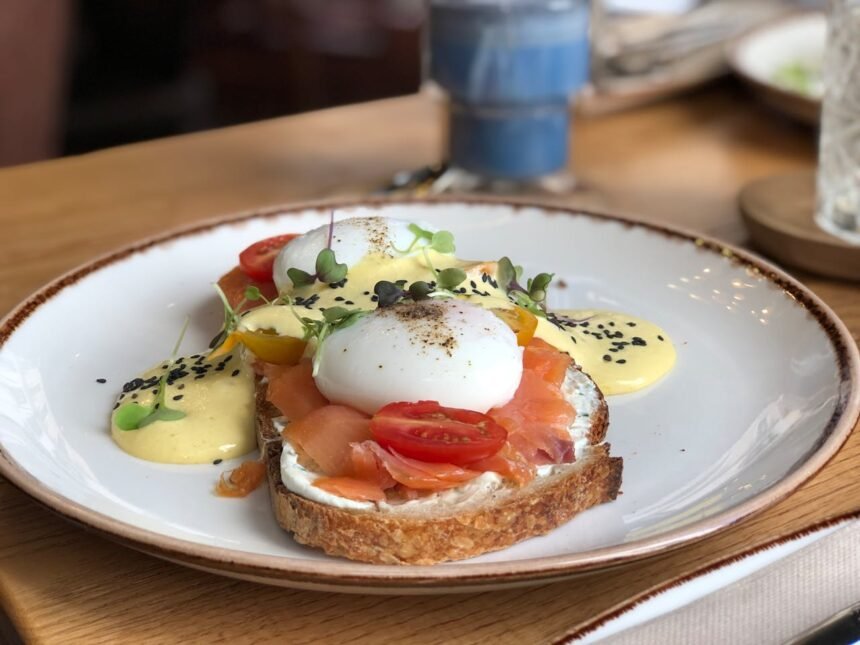
If you have ever stared into a saucepan of cloudy water, watching your breakfast dissolve into an unrecognisable mess of white wisps, you are certainly not alone. Poaching an egg is often considered one of the most intimidating culinary techniques for home cooks. Yet, it remains the gold standard for a luxurious, healthy weekend brunch.
There is something uniquely satisfying about cutting into a perfectly cooked egg—the firm, opaque white giving way to a rich, runny yolk. It transforms a simple slice of toast into a meal that feels indulgent. However, the gap between restaurant-quality eggs and the reality of home cooking often feels frustratingly wide.
Many people avoid this method entirely, assuming it requires professional training or fancy gadgets. The truth is surprisingly different. With a few scientific principles and the right preparation, you can achieve consistent results every time.
You do not need silicone cups, microwave hacks, or expensive equipment. All you need is a fresh egg, a pot of water, and a bit of patience. This guide will walk you through the process to ensure you never have to suffer through a rubbery or disintegrated breakfast again.
Why Choose Poached Eggs?
Before mastering the technique, it is helpful to understand why this method is worth the effort. From a nutritional standpoint, poaching is superior to many other cooking methods.
Because you are cooking the egg in simmering water, there is no need for added fats like butter or oil, which are typically required for frying or scrambling. This makes poached eggs a lower-calorie option that retains the integrity of the nutrient profile.
Eggs are a complete protein, meaning they contain all nine essential amino acids your body needs for growth and repair. According to Healthline, eggs are also rich in choline, a nutrient that is essential for brain health, as well as antioxidants like lutein and zeaxanthin which support eye health.
Furthermore, for those monitoring their heart health, preparation matters. The British Heart Foundation notes that while eggs do contain cholesterol, it is the saturated fat we eat with them—or cook them in—that tends to be more problematic for blood cholesterol levels. By removing the frying oil, you are making a heart-smart choice.
The Importance of Freshness
The single most critical factor in poaching an egg is not the vinegar or the swirling water; it is the age of the egg itself.
As an egg ages, the proteins in the white (albumen) begin to break down and become more fluid. When you drop an older egg into hot water, the watery whites spread out instantly, creating those annoying wispy strands. A fresh egg has a tight, viscous thick white that clings to the yolk, holding its shape naturally.
If you are unsure about the freshness of your carton, you can perform the sink test. Place the egg in a bowl of cold water. If it lays flat on the bottom, it is fresh. If it stands upright or floats, it is older and better suited for boiling or baking.
How to Poach an Egg: A Step-by-Step Guide
Achieving the perfect spherical shape with a runny centre requires attention to detail. Follow these steps for restaurant-quality results.
1. Preparation is Key
Start by bringing a large saucepan of water to a boil. While the water heats, crack your egg into a fine-mesh sieve set over a small bowl. This is a “chef’s secret” that makes a massive difference.
Let the egg sit in the sieve for a minute. The very watery, loose part of the white will drip through the mesh, leaving only the firm white behind. This simple step eliminates the majority of the wispy foam that clouds the water.
2. Set the Temperature
Once the water has boiled, reduce the heat significantly. You want a gentle simmer, not a rolling boil. If the water is too turbulent, it will tear the delicate egg apart before it has a chance to set.
Look for small bubbles rising from the bottom of the pan. According to culinary experts at BBC Good Food, maintaining this gentle temperature is crucial for ensuring the whites cook evenly without becoming rubbery.
3. Acidulate the Water
Add a splash of vinegar to the water. A general rule of thumb is one tablespoon of light-coloured vinegar (like white wine vinegar or cider vinegar) per litre of water.
Scientific sources, such as the Royal Society of Chemistry, explain that the acid in the vinegar helps to denature the proteins in the egg white more quickly. This rapid coagulation helps the white form a casing around the yolk before it has a chance to spread.
Do not add salt to the water. Salt increases the density of the water and can create more wisps, breaking down the egg white rather than helping it set.
4. The Vortex Method
If you are cooking one egg at a time, use a spoon to create a gentle whirlpool in the centre of the pot.
- Tip: Do not make the vortex too violent, or the egg will spin out of control.
- Action: Carefully tip the egg from a ramekin or small bowl into the centre of the whirlpool.
The circular motion of the water wraps the white around the yolk, creating a neat, round shape. If you are cooking multiple eggs, skip the vortex and simply slip them gently into the water.
5. Timing It Right
Set a timer immediately. Guesswork is the enemy of the perfect yolk.
- 3 minutes: This will result in a very soft, runny yolk and just-set whites.
- 4 minutes: This provides a firmer white and a jammy, custard-like yolk.
While the eggs cook, prepare a bowl of ice water nearby if you are not serving them immediately. This stops the cooking process instantly.

Nutritional Comparison of Cooking Methods
Understanding how preparation affects your food is vital for a balanced diet. Below is a comparison of how different methods impact the nutritional profile of a standard large egg.
| Feature | Poached Egg | Fried Egg (in Oil) | Hard Boiled Egg |
|---|---|---|---|
| Calories | ~72 kcal | ~90–110 kcal | ~78 kcal |
| Fat Content | ~5g | ~7–9g | ~5.3g |
| Added Fats | None | Oil/Butter | None |
| Texture | Soft, runny | Crispy edges | Firm, solid |
| Cooking Time | 3–4 mins | 2–3 mins | 8–10 mins |
| Digestibility | High | Moderate | Moderate |
Common Mistakes to Avoid
Even with the best intentions, things can go wrong. Here are common pitfalls and how to rectify them.
1. Using a Shallow Pan
Use a deep saucepan filled with at least 10 centimetres of water. The egg needs to fall through the water to form its teardrop shape. If the pan is too shallow, the egg will flatten against the bottom immediately, resulting in a fried-egg shape rather than a poached sphere.
2. Boiling the Water Violently
As mentioned earlier, vigorous bubbles will destroy the egg. You want a “poach,” which implies gentleness. If the water starts boiling rapidly, remove the pan from the heat for a moment to calm it down before adding the egg.
3. Cracking Directly into the Water
Never crack an egg directly from the shell into the hot water. You have no control over the landing, and if the yolk breaks, there is no recovering it. Always use a ramekin.
Safety Note:
In the UK, eggs bearing the British Lion mark are subject to stringent safety standards. According to the NHS, these eggs are considered very low risk for salmonella and can even be eaten runny by pregnant women and vulnerable groups. Always ensure you store your eggs correctly to maintain this safety profile.
Tips for Serving and Storage
Poached eggs are incredibly versatile. While Eggs Benedict is the classic application, there are healthier ways to enjoy them.
- Avocado Toast: Place the egg on whole-grain sourdough with smashed avocado and chilli flakes. This provides a balance of healthy fats, fibre, and protein.
- Savoury Oats: Try adding a poached egg to a bowl of savoury oatmeal with spinach and mushrooms for a powerful breakfast.
- Salads: A warm poached egg acts as a natural dressing for a salad of bitter greens and lardons.
If you are hosting a brunch, you can cook the eggs ahead of time. Undercook them slightly (by 30 seconds), then immediately plunge them into an ice bath. They can be stored in cold water in the fridge for up to two days. When you are ready to serve, simply reheat them in hot water for 60 seconds. This is a trick often used in professional kitchens and hotels.
For more advice on food storage safety, the Food Standards Agency provides comprehensive guidelines on keeping cooked eggs safe.
Frequently Asked Questions
Can I poach an egg in the microwave?
Yes, but proceed with caution. You can place an egg in a mug of water and microwave it, but explosions are common if the steam builds up inside the yolk. It is generally safer and tastier to use the stovetop method.
Why does my poached egg taste like vinegar?
If your egg retains a vinegar taste, you have likely used too much. You only need a small splash. Alternatively, you can dip the cooked egg into a bowl of plain hot water for a second after removing it from the poaching liquid to rinse off the acidity.
Is it safe to eat runny yolks?
Yes, provided you are using quality-assured eggs. The GOV.UK website confirms that vulnerable groups can eat raw or lightly cooked eggs provided they are produced under the British Lion Code of Practice.
Does the type of vinegar matter?
White vinegar is preferred purely for aesthetics, as it does not discolour the egg white. Balsamic or malt vinegar will turn your eggs brown.
Are poached eggs good for weight loss?
Due to their high protein content and lack of added fats, they are an excellent choice for satiety. The British Nutrition Foundation highlights that protein helps keep you feeling fuller for longer, which can reduce snacking throughout the day.
How do I manage high cholesterol with eggs?
Current evidence suggests that for most people, dietary cholesterol in eggs has a smaller effect on blood cholesterol than saturated fat. Diabetes UK states that most people with diabetes can enjoy eggs as part of a healthy, balanced diet, provided they are not cooked with excessive amounts of butter or bacon fat.
The Bottom Line
Poaching an egg is a skill that looks difficult but is built on simple science. By prioritising freshness, managing your water temperature, and using the sieve trick to remove loose whites, you can achieve a cafe-style breakfast in your own kitchen.
It is a cooking method that respects the ingredient, offering a high-protein, low-fat addition to your diet without sacrificing flavour or texture. Whether you are meal-prepping for the week or hosting a Sunday brunch, mastering this technique is a valuable addition to your culinary repertoire.
Remember, practice makes perfect. Do not be discouraged if your first attempt isn’t flawless. With these steps, you are well on your way to plating the perfect egg. For more culinary news and trends, you can check reliable sources like BBC News or stick to the nutritional guidance found on Healthline.