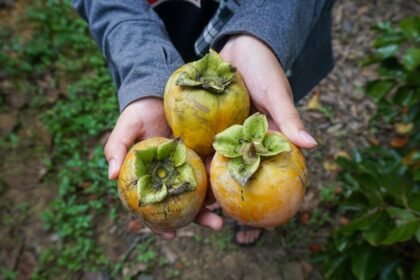
The Ultimate Persimmon Buy Guide: Health Benefits and Expert Selection Tips
As the air turns crisp and the leaves begin to fall, a vibrant, honey-hued fruit begins to take centre stage in the produce aisle. For many, the first persimmon buy of the season marks the true start of autumn. Often overlooked in favour of apples or pears, the persimmon is a nutritional powerhouse with a unique, caramel-like sweetness that can elevate both sweet and savoury dishes.
Whether you are a seasoned fan or a curious newcomer, navigating the world of persimmons can be slightly confusing. With different shapes, textures, and levels of astringency, knowing exactly what to look for is essential. In this guide, we will explore everything you need to know to make your next persimmon buy a success, from identifying the best varieties to understanding their impressive health benefits.
Understanding the Varieties: Fuyu vs. Hachiya
Before you head to the shops for your persimmon buy, it is crucial to understand that not all persimmons are created equal. The fruit generally falls into two categories: non-astringent and astringent. Choosing the wrong one for your immediate needs can lead to a mouth-puckering experience due to high tannins.
The Fuyu Persimmon
The Fuyu is the most common non-astringent variety. Squat and shaped somewhat like a tomato, these can be eaten while still firm. They offer a crisp texture similar to an apple and a mild, sweet flavour. This variety is perfect for slicing into salads or eating as a portable snack.
The Hachiya Persimmon
In contrast, the Hachiya variety is acorn-shaped and highly astringent until fully ripe. You must wait until it is incredibly soft—almost jelly-like—before consuming. When ripe, the tannins dissipate, leaving behind a rich, honeyed pulp often used in culinary uses like baking and jams.
The Sharon Fruit
You may also encounter the Sharon fruit, which is a specific brand of persimmon from Israel. These are usually non-astringent and can be eaten at various stages of fruit ripening, making them a versatile choice for your weekly grocery shopping.
Nutritional Profile and Health Benefits
Making a persimmon buy is not just good for your taste buds; it is an investment in your well-being. Persimmons are packed with essential vitamins and minerals that support digestive health and immune function.
- High in Antioxidants: Persimmons contain compounds like beta-carotene and flavonoids, which help combat oxidative stress. Research published by Nature suggests these compounds play a role in long-term health.
- Rich in Dietary Fibre: A single fruit provides a significant portion of your daily dietary fibre, aiding in satiety and regular bowel movements. This is supported by guidelines from the NHS.
- Vitamin A and C: These fruits are excellent sources of Vitamin A (essential for vision) and Vitamin C (crucial for skin health and immunity).
- Heart Health: The potassium and fibre in persimmons contribute to maintaining healthy blood pressure and glucose levels, as noted by the American Heart Association.
Persimmon Comparison Table
To help you decide which type to look for during your next persimmon buy, refer to the table below:
| Feature | Fuyu (Non-Astringent) | Hachiya (Astringent) |
|---|---|---|
| Shape | Tomato-like, squat | Acorn-like, elongated |
| Texture when eaten | Crisp or slightly soft | Only when very soft/mushy |
| Flavour Profile | Sweet, mild, apple-like | Rich, honeyed, custard-like |
| Best for | Salads, snacking, cheese boards | Baking, puddings, smoothies |
How to Select and Store Your Persimmons
When you are at the grocery stores or local market for a persimmon buy, use your senses to find the best quality seasonal produce. Follow these expert tips:
- Check the Skin: Look for smooth, shiny skin. A few small blemishes or “sugar freckles” are normal and often indicate high sugar content, but avoid deep bruises or broken skin.
- Evaluate the Colour: Seek out a deep, consistent orange or reddish-orange colour. Pale yellow fruits are usually underripe.
- Feel the Weight: The fruit should feel heavy for its size, indicating a high water and sugar content.
- Check the Calyx: The green leafy top (calyx) should look fresh and be firmly attached.
Once home, fruit storage depends on ripeness. If your Fuyus are firm, they can stay on the counter for a few days. If you have Hachiyas that are still hard, place them in a paper bag with an apple or banana to speed up fruit ripening. Once they reach that jelly-soft stage, they can be stored in the fridge for a day or two or even frozen for use in smoothies.
Integrating Persimmons into Your Diet
If you have just completed your persimmon buy and aren’t sure how to use them, consider these simple ideas. For Fuyus, try slicing them thinly and pairing them with goat’s cheese and walnuts in an autumn fruit salad. This combination provides a balance of fats and antioxidants, which Mayo Clinic experts often recommend for a balanced diet.
For Hachiyas, scoop out the pulp and stir it into Greek yoghurt or porridge. The natural sweetness means you can reduce the need for added refined sugars. According to Diabetes UK, managing sugar intake is vital for metabolic health, and whole fruits are a superior choice over processed sweeteners.
Furthermore, persimmons are excellent for those focused on skin health. The high vitamin content supports collagen production. You can find more about the link between nutrition and skin on Medical News Today or WebMD.
The Science of Tannins
The “dry” feeling some people experience when eating an unripe persimmon is caused by proanthocyanidins, a type of tannin. These compounds are also found in tea and red wine. Research on ScienceDirect highlights that while tannins have antioxidant properties, they are also responsible for the intense astringency in certain fruits. This is why waiting for a Hachiya to ripen is non-negotiable.
Persimmon Buy: Sustainability and Sourcing
Choosing seasonal eating by opting for a persimmon buy in the autumn is more environmentally friendly than purchasing out-of-season berries. Supporting local producers or checking the origin of your fruit at BBC Good Food can help reduce your carbon footprint. Organisations like the British Nutrition Foundation encourage consuming a variety of colourful fruits to ensure a broad spectrum of micronutrients.
For more clinical insights into fruit consumption and chronic disease prevention, you can consult resources from the World Health Organisation or the FDA regarding food safety and labelling.
Frequently Asked Questions (FAQs)
Can you eat the skin of a persimmon?
Yes, the skin of both Fuyu and Hachiya persimmons is edible. However, the skin of a Hachiya is very thin and fragile when ripe, while the Fuyu skin is similar to that of an apple. Many people prefer to peel them, but keeping the skin on increases your intake of dietary fibre.
How do I know when a Hachiya persimmon is ready to eat?
A Hachiya persimmon is only ready when it feels like a water balloon about to burst. It should be incredibly soft to the touch. If there is any firmness at all, it will likely be too astringent to enjoy.
Are persimmons good for weight loss?
Persimmons can be a great addition to a weight management plan. They are high in fibre, which helps you feel full for longer, and provide a sweet treat with significantly fewer calories than processed snacks. For more on healthy weight loss, visit Examine.com for evidence-based supplement and nutrition info.
In summary, making a persimmon buy this season is an excellent way to diversify your diet and enjoy a unique, nutrient-dense treat. By choosing the right variety and allowing it to ripen properly, you can enjoy one of nature’s most delicious autumn gifts.