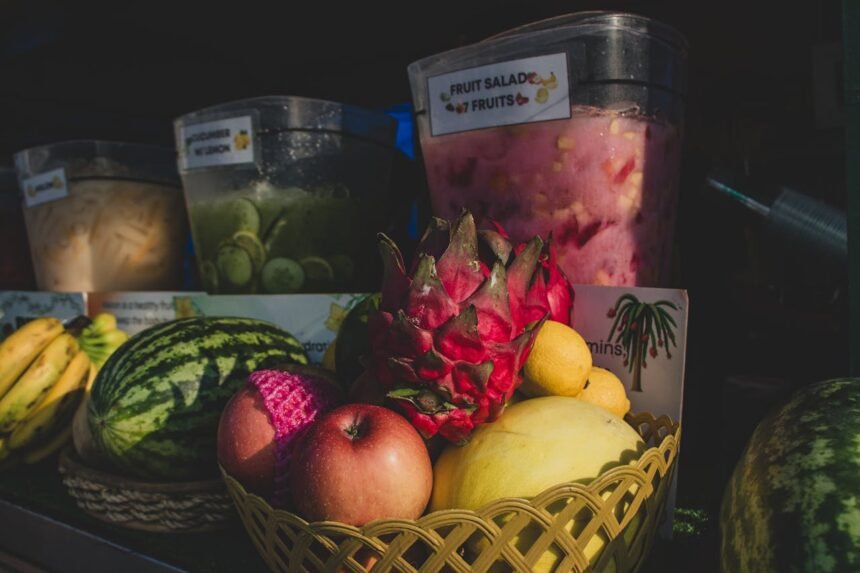
When you think of a tropical paradise, your mind likely drifts to white sands and turquoise waters. However, for those who live in or visit the archipelago, the true treasure lies in the incredible variety of Philippines fruit. From the world-famous sweetness of the mango to the pungent mystery of the durian, these fruits are more than just a snack—they are a nutritional powerhouse essential for a healthy diet.
The Philippines’ unique tropical climate and rich volcanic soil create the perfect environment for exotic produce to thrive. Whether you are wandering through local markets in Manila or exploring the orchards of Davao, you will encounter a nutritional profile that rivals any “superfood” found in high-end health shops. In this guide, we will explore the best fruits the Philippines has to offer and how they can benefit your well-being.
The National Pride: Carabao Mango
You haven’t truly tasted a mango until you have tried the Philippine Carabao variety. Once recognized by the Guinness Book of World Records as the sweetest in the world, this fruit is a staple of export quality. Beyond its natural sweetness, the mango is packed with Vitamin C content and beta-carotene, which the body converts into Vitamin A to support eye health.
Integrating mango into your diet can help boost your immune system and improve skin health. For more detailed information on the specific benefits, you can read about mango nutrition. Many Filipinos utilise this fruit in various culinary uses, from fresh shakes to dried snacks and green mango salads with shrimp paste.
The King and Queen: Durian and Mangosteen
In the southern regions, particularly Mindanao, two fruits reign supreme. The Durian, often called the “King of Fruits,” is famous for its “smell like hell, taste like heaven” reputation. Despite its odour, it is incredibly potassium-rich and contains healthy fats. You can learn more about the unique health benefits of durian to understand why it is so highly prized.
The Mangosteen, or the “Queen of Fruits,” offers a stark contrast with its delicate, snowy-white segments. It is lauded for its potent antioxidant properties, specifically xanthones, which may help reduce inflammation. Botanically, it is a fascinating specimen, as detailed by Britannica’s botanical overview.
Nutritional Comparison of Top Philippines Fruit
To help you decide which fruit to add to your next meal, we have compared three popular choices based on their typical nutrient density per 100g serving.
| Fruit Name | Primary Benefit | Key Nutrient | Best Harvest Season |
|---|---|---|---|
| Carabao Mango | Immune Support | Vitamin A & C | March to June |
| Calamansi | Detoxification | Citric Acid | Year-round |
| Mangosteen | Anti-inflammatory | Xanthones | August to October |
Hidden Gems of the Archipelago
While mangoes and pineapples are common, the Philippines is also home to several rare fruits that are seasonal treats. These are often sold by street vendors as part of the vibrant street food culture.
- Lanzones: Small, grape-like fruits with a sweet-sour flavour. They are an excellent source of dietary fibre, which aids digestion.
- Rambutan: Easily identified by its “hairy” red exterior. This fruit is rich in iron and calcium. For a deep dive into its profile, check out rambutan’s nutritional facts.
- Atis (Sugar-apple): A lumpy, green fruit with a creamy, custard-like interior. It is often used in traditional medicine to treat fainting and insect bites.
- Guyabano (Soursop): Often touted for its potential anti-cancer properties in folk medicine, though scientific research is ongoing. It is widely consumed as a refreshing juice. Learn more about soursop research.
Why You Should Source Fresh Fruit Locally
Eating Philippines fruit while it is in its peak harvest season ensures you get the maximum amount of vitamins and minerals. Freshness is key because nutrients like Vitamin C can degrade over time during long-distance shipping. According to the Food and Agriculture Organization, tropical fruits are vital for food security and nutrition in Southeast Asia.
When you buy from local farmers, you are not just getting a fresher product; you are supporting sustainable agriculture. The USDA Nutrient Database confirms that fresh, tree-ripened fruit often contains higher concentrations of phytochemicals compared to those ripened artificially in transit.
Calamansi: The Philippine Lime
No discussion of Philippines fruit is complete without mentioning Calamansi. This tiny citrus fruit is a staple in every Filipino kitchen. It is used as a dipping sauce, a marinade, and a hot beverage to treat colds. Scientific studies on Calamansi properties highlight its high concentration of phenolic compounds.
Adding Calamansi to your daily routine is an easy way to meet your 5-a-day portion sizes. Just a few squeezes into water provides a significant boost of antioxidants and electrolytes, helping you stay hydrated in hot weather.
The Health Benefits of Tropical Fibre
Many tropical fruits, such as Santol (Cotton fruit) and Jackfruit, are incredibly high in soluble and insoluble fibre. Maintaining a high-fibre diet is essential for heart health and maintaining a healthy weight. The British Nutrition Foundation emphasises that fibre is often under-consumed in modern diets, making these exotic fruits a tasty solution.
For those managing blood sugar, fruits like the potassium-rich Saba banana offer a lower glycaemic index when cooked compared to traditional Cavendish bananas. You can find more information on botanical properties of tropical cultivars in recent scientific literature.
Frequently Asked Questions (FAQs)
What is the most popular Philippines fruit?
The Carabao Mango is widely considered the most popular and iconic fruit of the Philippines. It is famous globally for its smooth texture and intense sweetness, making it a primary agricultural export.
Can I find these fruits outside the Philippines?
Many varieties, such as mangoes, pineapples, and papayas, are exported worldwide. However, delicate fruits like Lanzones and Santol are harder to find fresh in the UK or US due to their short shelf life, though they may be available in frozen or canned forms in specialist markets.
Is it safe to eat fruit from street vendors in the Philippines?
Yes, but it is best to choose fruits that you can peel yourself, such as bananas, rambutans, or mangosteens. If you are buying pre-cut fruit, ensure the vendor follows good hygiene practices and that the fruit is kept chilled to avoid any foodborne illnesses.
Are Philippines fruits high in sugar?
While many tropical fruits have a high natural sweetness, they also contain high amounts of Vitamin C and fibre, which help regulate sugar absorption. As with all foods, moderation is key, but the nutrients they provide are far superior to those found in processed sugary snacks.