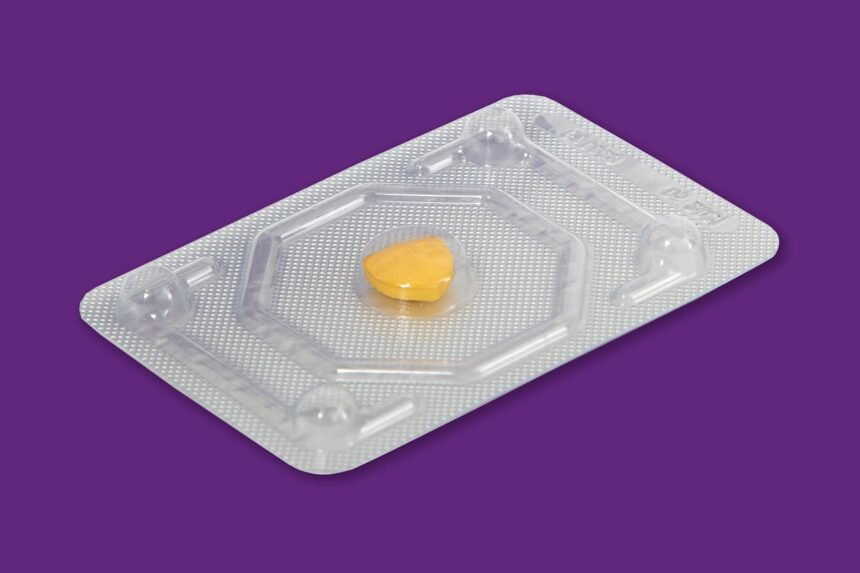
Whether you are taking a daily vitamin, managing a chronic condition, or relying on birth control, understanding pill efficacy is essential for your health. We often assume that once we swallow a tablet, the biology takes care of the rest. However, the journey from your mouth to your bloodstream is complex and influenced by everything from your breakfast choices to your sleep patterns.
In this guide, we will explore what determines how well your medication works, the science behind drug bioavailability, and practical steps you can take to ensure you are getting the full benefit of your treatment. Our goal is to empower you with the knowledge to optimise your health outcomes through informed choices.
The Science of How Pills Work
To understand pill efficacy, we first need to look at how the body processes medicine. This process is known as pharmacokinetics. When you ingest a pill, it must survive the acidic environment of the stomach, be absorbed through the intestinal wall, and pass through the liver before reaching general circulation. This initial journey is often referred to as first-pass metabolism.
The amount of the active ingredients that actually reaches your bloodstream is known as its drug bioavailability. Not all pills are created equal in this regard. Some are designed for immediate release, while others feature an enteric coating to prevent them from dissolving too early in the digestive tract, protecting either the stomach lining or the drug itself.
Factors that influence this process include:
- Gastric pH levels: The acidity of your stomach can speed up or slow down the breakdown of certain coatings.
- Medication absorption: How efficiently your small intestine moves the drug into the blood.
- Pharmacokinetic profile: The unique way a specific drug moves through an individual’s body.
The Importance of the Therapeutic Window
Every medication has what experts call a therapeutic window. This is the range of drug concentration in the blood where the medicine is effective without being toxic. If pill efficacy drops, you may fall below this window, rendering the treatment useless. Conversely, if absorption is too high, you risk side effects.
Factors That Can Compromise Pill Efficacy
Several external and internal factors can interfere with how your body utilises medication. Recognising these can help you avoid common pitfalls.
1. Food and Drink Interactions
What you eat can significantly impact medication absorption. For instance, calcium-rich dairy products can bind to certain antibiotics, preventing them from being absorbed. Similarly, grapefruit juice is famous for interfering with enzymes in the liver, potentially leading to dangerously high levels of certain drugs in the system. Always check the NHS guidance on food interactions.
2. Drug-Drug Interactions
Taking multiple medications can lead to drug-drug interactions. Some drugs may induce or inhibit the enzymes responsible for breaking down other medications. This is particularly crucial for maintaining oral contraceptive effectiveness, as certain anti-seizure medications or even herbal remedies can lower hormone levels in the blood.
3. Supplement Interference
Natural doesn’t always mean safe. St. John’s Wort, a popular herbal supplement for mood, is a well-known culprit for supplement interference. According to the Mayo Clinic, it can significantly reduce the efficacy of various medications, including blood thinners and birth control.
Comparing Pill Delivery Methods
The way a pill is engineered plays a massive role in its pharmacokinetic profile. The following table compares common oral delivery formats:
| Pill Type | Primary Benefit | Efficacy Consideration |
|---|---|---|
| Immediate Release | Fast acting for acute pain or symptoms. | Higher risk of “peaks and troughs” in blood levels. |
| Extended Release (ER/XR) | Maintains steady levels over 12-24 hours. | Pill efficacy is lost if the tablet is crushed or chewed. |
| Enteric Coated | Protects the stomach; dissolves in the intestine. | Affected significantly by gastric pH levels. |
A Closer Look: Oral Contraceptive Effectiveness
One of the most discussed areas of pill efficacy is hormonal birth control. While the “perfect use” success rate is over 99%, the “typical use” rate is often closer to 91% due to human error and biological factors. To maintain high oral contraceptive effectiveness, consistency is king.
Hormonal fluctuations caused by illness, such as vomiting or severe diarrhoea, can prevent the pill from being absorbed properly. In these cases, following a strict missed dose protocol is vital. Consult the World Health Organization (WHO) guidelines for advice on backup protection during these intervals.
Steps to Maximise Efficacy
- Establish a Routine: Take your medication at the same time every day to maintain a steady level in your bloodstream.
- Storage Matters: Keep your pills in a cool, dry place. Heat and moisture can degrade the active ingredients and shorten the shelf life.
- Read the Leaflet: The patient information leaflet (PIL) contains essential data on whether to take the drug with food. You can find digital versions at the Electronic Medicines Compendium.
- Avoid Alcohol: While not always dangerous, alcohol can alter metabolism and lead to dehydration, affecting how drugs circulate.
The Role of the Placebo Effect
It is fascinating to note that pill efficacy isn’t just about chemistry; psychology plays a role too. The placebo effect occurs when a patient experiences a real improvement in their condition despite taking a non-active substance. According to research published in The Lancet, the brain’s expectation of healing can trigger the release of endorphins and dopamine, which may complement the action of pharmacological treatments.
When to Consult a Professional
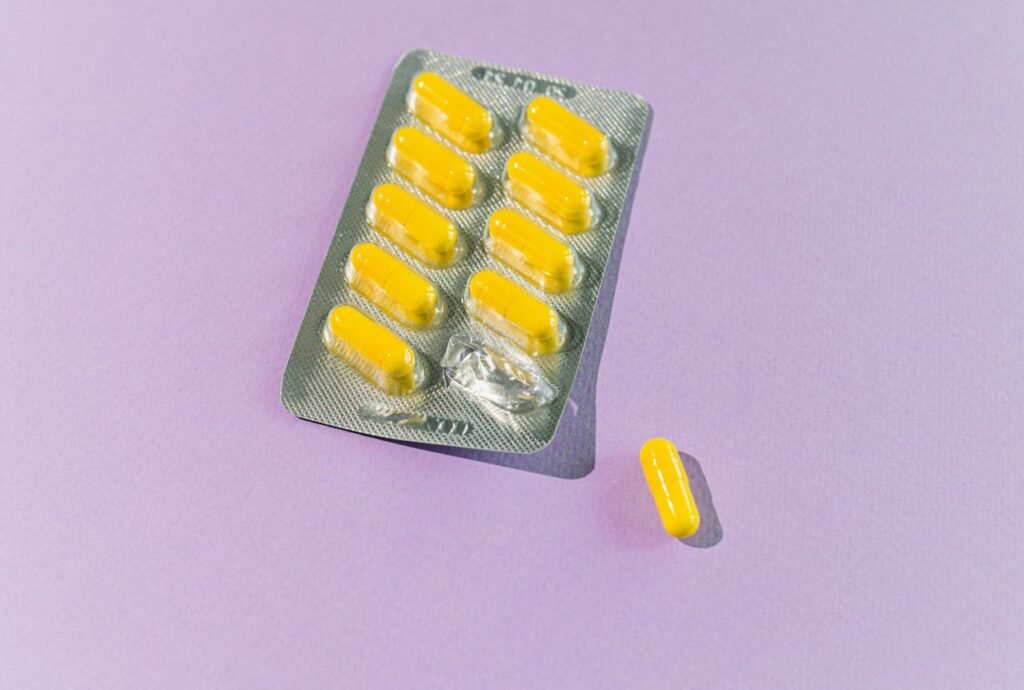
If you feel your medication isn’t working as intended, do not adjust your dose or stop taking it without professional advice. Issues with pill efficacy should be discussed with a GP or pharmacist. They can review your drug-drug interactions and determine if a different delivery method or dosage is required.
Authoritative resources like Drugs.com and The Cochrane Library provide evidence-based reviews that can help you understand the clinical data behind your prescriptions.
Frequently Asked Questions (FAQs)
Does the expiration date really affect pill efficacy?
Yes. The shelf life of a medication is the period during which the manufacturer guarantees full potency. Over time, active ingredients can break down, making the drug less effective. While most expired pills aren’t toxic, they may not provide the therapeutic window required to treat your condition effectively. Check FDA guidelines for more details.
Can I cut my pills in half to save money?
Only if the pill is scored and your doctor approves it. Cutting a pill with an enteric coating or an extended-release mechanism can destroy its pharmacokinetic profile, leading to a massive dose being released at once or the drug being destroyed by stomach acid. Refer to Healthline or Patient.info for safety tips on pill splitting.
Do vitamins and minerals affect prescription pill efficacy?
They certainly can. This is known as supplement interference. For example, iron supplements can interfere with the absorption of thyroid medication. It is essential to disclose all supplements to your healthcare provider. You can check specific interactions at the British National Formulary (BNF) website.
How does body weight impact medication efficacy?
Body mass and composition can influence how a drug is distributed throughout the tissues. For some medications, a standard dose may result in a different pharmacokinetic profile in a very small person compared to a very large person. Research on PubMed suggests that dose adjustments are often necessary for specific classes of drugs, such as anticoagulants or certain antibiotics.
What should I do if I miss a dose?
The missed dose protocol varies depending on the medication. For birth control, you might need to take two pills the next day or use backup protection. For other drugs, you might simply take it as soon as you remember. Always consult the ScienceDirect database for pharmacological studies or ask your pharmacist to ensure pill efficacy is maintained.