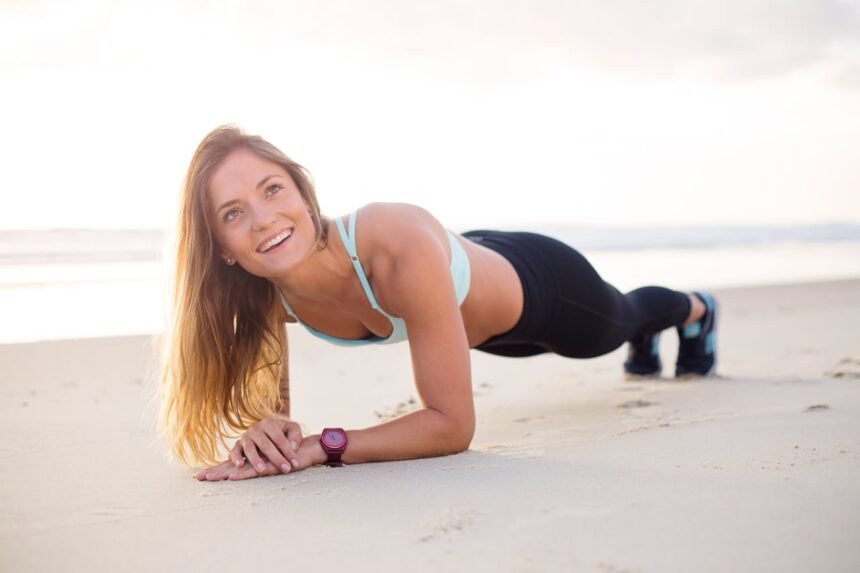
Discover 15 effective plank variations to transform your core in 30 days! Sculpt and strengthen your midsection with our progressive ‘Plank Burn’ challenge, complete with step-by-step instructions and modifications for all levels.
Introduction: Feel the Plank Burn
Are you ready to ignite your core and achieve transformative results? This isn’t just another fitness article; it’s your comprehensive guide to mastering the plank, one of the most effective exercises for overall core strength and stability. This article, “Plank Burn: 15 Variations to Transform Your Core in 30 Days,” will guide you through a series of dynamic plank exercises designed to challenge your body and sculpt your core like never before.
Why Planks?
Planks are celebrated for their ability to engage multiple muscle groups simultaneously, making them a time-efficient exercise. Beyond aesthetics, a strong core enhances posture, reduces back pain, and improves athletic performance. Whether you’re a fitness novice or a seasoned athlete, incorporating plank variations into your routine can significantly elevate your fitness game. Planks offer a full-body workout, engaging not just your abdominal muscles, but also your arms, shoulders, back, and legs1.
What to Expect
Over the next 30 days, you’ll explore 15 plank variations that progressively challenge your core. This structured approach ensures continuous improvement and prevents plateaus. We’ll break down each exercise with clear, step-by-step instructions and modifications to suit every fitness level. By the end of this journey, you’ll not only have a stronger core but also a deeper understanding of how to effectively train your entire body.
By the end of this article, you’ll be equipped with fifteen plank variations to transform your core in 30 days.
1. Mastering the Basic Plank for Plank Burn
Before diving into advanced variations, it’s crucial to master the basic plank. Proper form is paramount to prevent injuries and maximize effectiveness. Think of the basic plank as the foundation upon which all other variations are built. Without a solid base, the more challenging exercises won’t yield the desired results and may even lead to strain or injury.
Perfecting Your Form
Start by lying face down on a mat. Place your hands shoulder-width apart and push up onto your toes and forearms. Ensure your body forms a straight line from head to heels, engaging your core by drawing your navel toward your spine. Avoid sagging or hiking your hips. Visualise a straight line running from your head down to your feet, and consciously maintain that alignment throughout the exercise. Engage your glutes and quads to further stabilize your body and prevent your hips from dropping.
Common Mistakes to Avoid
One of the most common mistakes is allowing the hips to sag, which puts undue stress on the lower back. Another is hiking the hips up, which reduces core engagement. Avoid these pitfalls by actively engaging your core and maintaining a neutral spine. Also, be mindful of your head position; avoid letting it drop or crane upward, as this can strain your neck. Keep your gaze focused on a point slightly in front of your hands to maintain a neutral neck position.
Progression and Duration
Begin by holding the plank for 20-30 seconds, gradually increasing the duration as you get stronger. Aim for 60 seconds or more with perfect form. Consistency is key; aim to incorporate planks into your routine 3-4 times per week. As you progress, you’ll notice increased stability, improved posture, and enhanced core strength. Remember, the basic plank is more than just a starting point; it’s a fundamental exercise that should remain a staple in your fitness regimen. This foundational plank will set you up for a great plank burn.
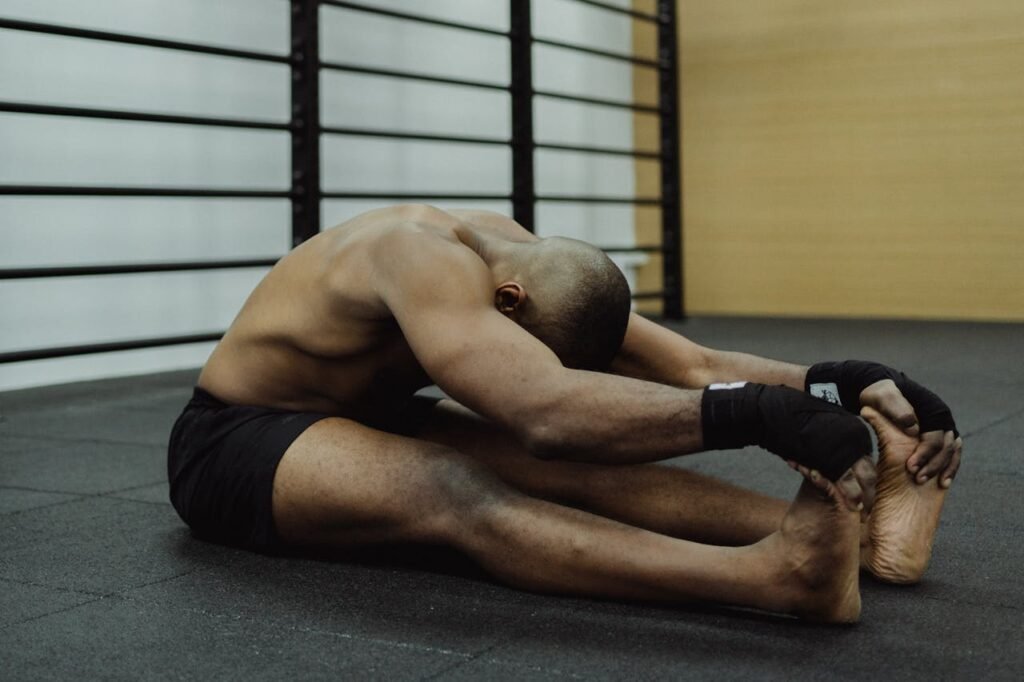
2. Forearm Plank: The Foundation of Plank Burn
The forearm plank is a variation that places less stress on the wrists, making it ideal for those with wrist sensitivities. It’s an excellent way to build core endurance and stability. This variation is particularly effective for engaging the deeper core muscles, providing a solid foundation for more advanced plank exercises.
Setting Up Correctly
Start by lying face down on a mat. Place your forearms on the ground with your elbows directly beneath your shoulders and your palms facing down. Engage your core, lift your hips off the ground, and ensure your body forms a straight line from head to heels. Keep your neck relaxed and your gaze focused on the floor. The key is to maintain a rigid torso, preventing any sagging or arching of the back.
Engaging the Core
Actively draw your navel toward your spine and engage your glutes to stabilize your body. Avoid letting your hips drop or rise; maintain a neutral spine throughout the exercise. Visualise pulling your elbows towards your toes and your toes towards your elbows, this isometric contraction enhances core activation and stability. Focus on maintaining this engagement throughout the duration of the plank.
Progression and Tips
Hold the forearm plank for 30-60 seconds, gradually increasing the duration as you get stronger. If you find it challenging to maintain proper form, start with shorter intervals and gradually increase the hold time. You can also modify the exercise by performing it on your knees until you build sufficient core strength. The forearm plank is a foundational exercise that will enhance your core strength and stability, setting the stage for more challenging plank variations. The forearm plank is a foundational exercise for the plank burn.
3. Commando Planks: Plank Burn for the Arms
Commando planks, or walking planks, involve transitioning between a high plank and a forearm plank. This dynamic movement increases the intensity and adds a cardiovascular element to the exercise, torching calories while strengthening your core. Commando planks are a top-tier core torcher, engaging your entire body and boosting your heart rate1.
Step-by-Step Instructions
Begin in a high plank position with your hands directly under your shoulders and your body in a straight line from head to heels. Lower one forearm to the ground, followed by the other, transitioning into a forearm plank. Then, place one hand back on the ground, followed by the other, returning to the high plank position. Alternate the arm you lead with each repetition. The key is to maintain a stable core and avoid rocking your hips from side to side.
Benefits and Muscles Worked
Commando planks target your chest, arms, and shoulders, while also engaging your core, glutes, and legs. Strengthening the posterior chain can improve posture and develop stronger core and shoulder muscles1. This exercise not only builds core strength but also enhances upper body endurance and coordination.
Modifications and Challenges
For beginners, performing the exercise on your knees can reduce the intensity. To increase the challenge, try wearing a weight vest or balancing on one leg. Commando planks are a dynamic and effective variation that will elevate your plank routine and accelerate your core transformation. Commando planks are a great way to get that plank burn.
4. Reverse Planks: Targeting the Posterior Chain for Plank Burn
Reverse planks flip the traditional plank on its head, targeting the muscles on the back of your body, including your glutes, hamstrings, and back muscles. This variation is excellent for improving posture and strengthening the posterior chain, which is often neglected in traditional workouts. Turning this exercise on its head strengthens your abdominal muscles, arms, shoulders, back, glutes, and legs1.
Proper Execution
Sit on the floor with your legs extended in front of you and your hands placed slightly behind your hips, fingers pointing towards your feet. Press into your hands and feet to lift your hips off the ground, creating a straight line from your head to your heels. Keep your core engaged and your gaze focused upward. Avoid sagging your hips or arching your back.
Benefits and Variations
Reverse planks strengthen your glutes, hamstrings, and lower back, improving overall posture and stability. For an added challenge, try lifting one leg at a time while maintaining the plank position. This variation hits your posterior chain harder for a back-body burner1.
Tips and Precautions
If you have weaker wrists, opt for the forearm variation1. Keep your hips lifted and give everything a good squeeze to prevent lower back pain1. Reverse planks are a comprehensive exercise that will strengthen your posterior chain and enhance your overall core stability. Reverse planks can really make you feel the plank burn.
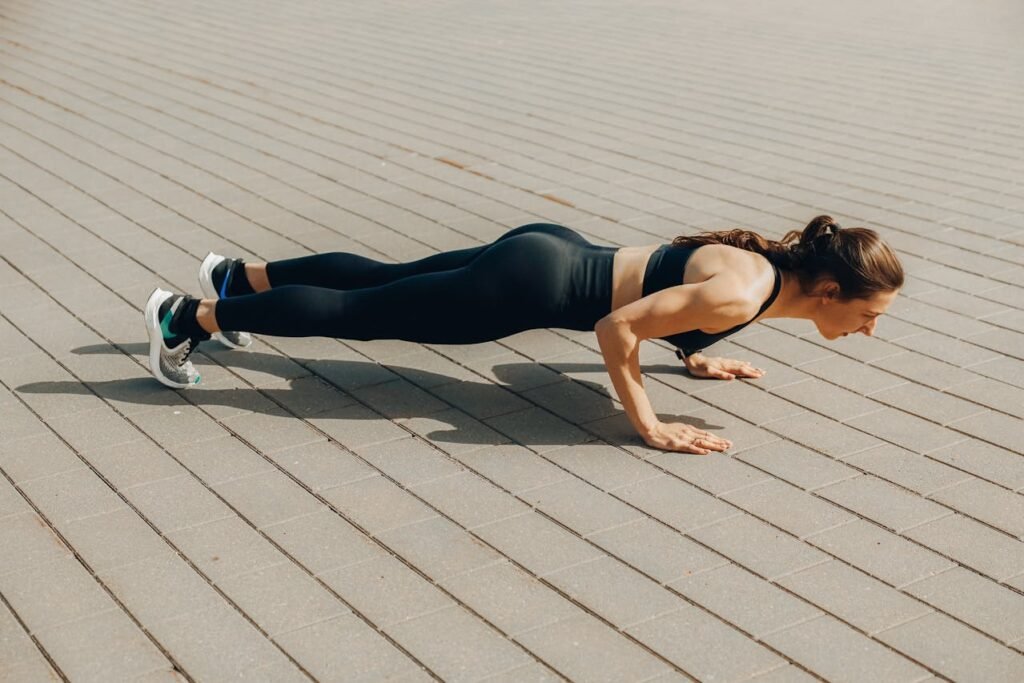
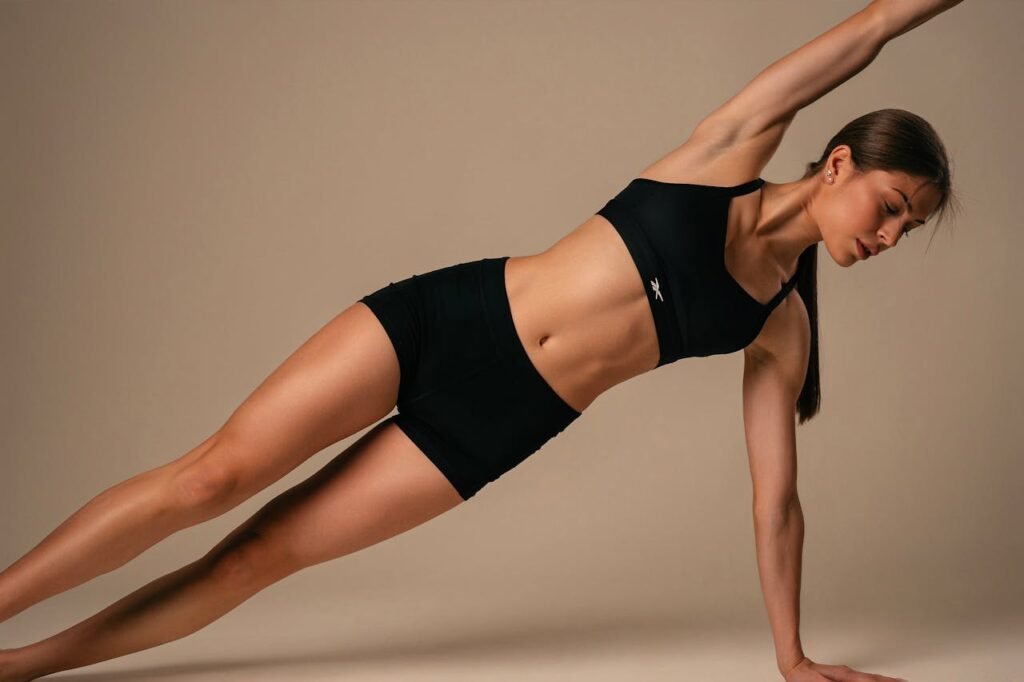
5. Side Planks: Obligue Focused Plank Burn
Side planks target your obliques, the muscles along the sides of your core, which are essential for rotational movements and lateral stability. This variation helps sculpt a well-defined waistline and improves core strength from a different angle. The side plank primarily targets your oblique muscles, shoulders, deep stabilizer muscles in your hips and trunk and the back muscles, including your latissimus dorsi (lats)1.
Getting into Position
Lie on your side with your legs extended and your feet stacked on top of each other. Place your elbow directly beneath your shoulder and your forearm perpendicular to your body. Engage your core and lift your hips off the ground, creating a straight line from your head to your feet. Keep your neck relaxed and your gaze focused forward.
Engaging the Obliques
Focus on lifting your hips as high as possible while maintaining a straight line. Avoid rotating your torso forward or backward. Visualise squeezing your obliques to lift and stabilise your body. This ensures maximum engagement of the targeted muscles.
Progression and Modifications
Hold the side plank for 30-60 seconds, gradually increasing the duration as you get stronger. For a modification, bend your top knee and place your foot on the ground in front of your bottom leg. To increase the challenge, try lifting your top leg towards the ceiling while maintaining the plank position. Side planks are an excellent way to strengthen your obliques and enhance your core stability.
6. Spiderman Planks: Dynamic Core Engagement for Plank Burn
Spiderman planks add a dynamic element to the traditional plank, engaging your entire core musculature, including the external and internal oblique muscles, triceps, shoulders, and glutes1. This variation mimics the crawling motion of Spiderman, hence the name, and challenges your stability and coordination. It’s an intermediate-level ab exercise that engages your entire core musculature1.
How to Perform
Start in a high plank position with your hands directly under your shoulders and your body in a straight line from head to heels. Bring one knee towards the outside of your elbow on the same side, like Spiderman crawling up a building. Return to the starting position and repeat on the other side. Alternate sides with each repetition.
Benefits and Muscles Worked
Spiderman planks target your obliques, core, chest, and legs, enhancing core stability and coordination. This exercise not only strengthens your core but also improves your cardiovascular fitness.
Tips and Modifications
Maintain a stable core throughout the exercise and avoid rocking your hips from side to side. If you find it challenging to perform the exercise with straight arms, you could use your forearms for this move1. Spiderman planks are a dynamic and effective variation that will challenge your core and improve your overall fitness. Get ready to feel that plank burn.
7. Plank Hip Dips: Twisting Torso for Plank Burn
Plank hip dips involve rotating your torso from side to side while holding a plank position. This variation targets the obliques, transverse abdominis, the stabilizer muscles in your shoulders, and the muscles in your back1. The twisting motion is a trunk-torcher unsuitable for beginners or back injuries1. Plank hip dips are particularly effective for sculpting your waistline and improving core stability.
Performing the Exercise
Start in a forearm plank position with your elbows directly under your shoulders and your body in a straight line from head to heels. Rotate your torso to one side, tapping your hip to the floor. Return to the centre and repeat on the other side. Alternate sides with each repetition.
Benefits and Muscles Engaged
Plank hip dips target your obliques, core, and lower back, enhancing core stability and flexibility. This exercise not only strengthens your core but also improves your spinal mobility.
Modifications and Precautions
Maintain a stable core throughout the exercise and avoid arching your back. If you have any back injuries, consult with a healthcare professional before attempting this exercise. Plank hip dips are a challenging and effective variation that will sculpt your waistline and improve your core stability.
8. Bear Planks: Engaging Core, Arms, and Quads for Plank Burn
Bear planks engage the core, arms, and quads by starting in a tabletop position, tucking your toes, and lifting your knees an inch off the floor1. This variation mimics how a bear moves, forcing you to keep your core engaged and stay as still as possible1. Bear planks are an excellent way to build core strength and improve stability.
Step-by-Step Instructions
Start in a tabletop position with your hands directly under your shoulders and your knees directly under your hips. Tuck your toes and lift your knees an inch off the floor, maintaining a flat back. Engage your core and hold the position.
Muscles Worked and Benefits
Bear planks target your core, arms, and quads, enhancing core stability and strength. This exercise not only strengthens your core but also improves your balance and coordination.
Variations and Tips
You can add leg lifts by slowly raising one foot, then the other, alternating every 2-3 seconds1. You could also loop one of the best resistance bands around your lower thighs, just above the knees, to engage your lower body or adopt bear crawls, which involve moving across the floor1. Bear planks are a challenging and effective variation that will strengthen your core and improve your overall fitness. Get ready for that plank burn.
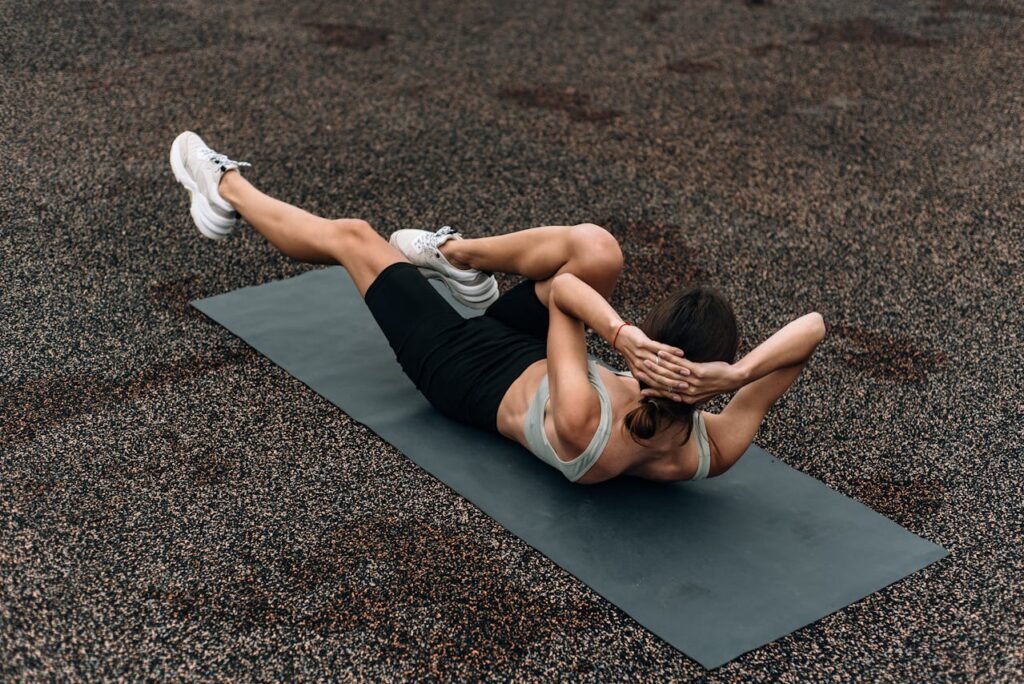
9. Knee Planks: Building Core Strength for Plank Burn
Knee planks are a modified version of the traditional plank, making them ideal for beginners or those returning from injury. This variation reduces the pressure on the lower back while still engaging the core muscles. It’s worth starting with knee planks to help you build up your core strength1.
How to Perform
Start in a high plank position with your hands directly under your shoulders and your body in a straight line from head to knees. Lower your knees to the ground, maintaining a flat back. Engage your core and hold the position.
Benefits and Muscle Engagement
Knee planks target your deep core muscles (transverse abdominis), six-pack muscles (rectus abdominis), shoulders, and your internal and external oblique muscles1. This exercise helps beginners or anyone returning from injury to work on form with less pressure on the lower back1.
Tips and Progression
Focus on maintaining a flat back and engaging your core throughout the exercise. As you get stronger, gradually increase the duration of the hold. Knee planks are an excellent starting point for building core strength and preparing for more challenging plank variations.
10. Side Plank Dips: Sculpting a Stronger Core for Plank Burn
Side plank dips combine a side plank with hip dips, adding a dynamic element to the exercise. This variation sculpts stronger core muscles and builds strength in your back and shoulders1. Side plank dips are particularly effective for targeting the obliques and improving lateral stability.
Performing the Exercise
Start in a side plank position with your elbow resting beneath your shoulder and your body in a straight line from head to feet. Slowly lower your hip to the floor and then drive it back up1. Repeat the movement for the desired number of repetitions.
Muscles Worked and Benefits
Side plank dips primarily target your oblique muscles, shoulders, deep stabilizer muscles in your hips and trunk and the back muscles, including your latissimus dorsi (lats)1. You’ll also work your glutes and engage the outer glutes, known as the gluteus medius1. This exercise strengthens your core, improves stability, and sculpts your waistline.
Modifications and Tips
Maintain a stable core throughout the exercise and avoid rotating your torso forward or backward. If you find it challenging to perform the exercise with straight legs, bend your top knee and place your foot on the ground in front of your bottom leg. Side plank dips are a challenging and effective variation that will strengthen your core and improve your overall fitness. This is where you’ll really feel the plank burn.
11. Wall Planks: Full Body Workout for Plank Burn
Wall planks involve pressing your feet against a wall while holding a plank position. This variation fires up the core muscles even more as it takes more effort and stability to hold your body in a straight line against the wall1. Wall planks also engage muscles in the lower body for a full-body workout1.
Setting Up Correctly
Position yourself facing a wall. Place your hands on the ground in a plank position and walk your feet up the wall until your body forms a straight line from head to heels. Engage your core and hold the position.
Benefits and Muscles Engaged
Wall planks target your core muscles, shoulders, arms, and legs, enhancing core stability and strength. This exercise provides a full-body workout and improves your overall fitness.
Tips and Modifications
Maintain a stable core throughout the exercise and avoid arching your back. If you find it challenging to maintain the plank position, start with shorter intervals and gradually increase the duration of the hold. Wall planks are a challenging and effective variation that will strengthen your core and improve your overall fitness.
12. Copenhagen Planks: Most Challenging Plank Variation for Plank Burn
The Copenhagen plank is one of the most challenging plank variations out there1. This exercise got its name from research conducted in Denmark, which found it helped to prevent groin pulls in athletes1. Your hip adductors, or inner thigh muscles, can be prone to tears during exercise1.
How to Perform
You’ll need a chair and stable shoulders so that you can rest on one elbow without strain1. Lie on your side, resting your top leg on a bench or chair. Place your elbow directly beneath your shoulder and lift your hips off the ground, creating a straight line from your head to your feet. Engage your core and hold the position.
Benefits and Targeted Muscles
Copenhagen planks target your adductors, core, and obliques, enhancing core stability and strength. The research found this exercise strengthened the adductors, helping prevent groin strains or pulls1.
Tips and Modifications
Maintain a stable core throughout the exercise and avoid rotating your torso forward or backward. If you find it challenging to maintain the plank position, start with shorter intervals and gradually increase the duration of the hold. Copenhagen planks are a challenging and effective variation that will strengthen your core and improve your overall fitness.
13. Plank Ski Jumps: Torching Glutes, Quads, and Hamstrings for Plank Burn
Plank ski jumps get their name from the lateral ski jump exercise, which targets the glutes, quads and hamstrings1. In this variation, you’re jumping both legs to the side with bent knees while you’re in the plank position, forcing your core to work hard to stabilize your body as you move your legs from side to side1.
Step-by-Step Execution
Start in a high plank position with your hands directly under your shoulders and your body in a straight line from head to heels. Jump both feet to the side behind your elbow, and back again1. Alternate sides with each repetition.
Benefits and Muscle Groups Worked
Plank ski jumps target your core, glutes, quads, and hamstrings, enhancing core stability and strength. This exercise improves cardiovascular fitness and burns calories.
Modifications and Important Tips
Maintain a stable core throughout the exercise and avoid arching your back. If you find it challenging to perform the exercise with straight arms, modify it by using your forearms. Plank ski jumps are a dynamic and effective variation that will challenge your core and improve your overall fitness. This is where the plank burn really kicks in.
14. Chinese Planks: Upside Down Plank Burn
The move involves laying on your back in the supine position, with your upper back and heels supported on a bench or similar and the rest of your body unsupported, turning the standard plank upside down1.
Performing Chinese Planks
Grab two study surfaces, like exercise benches or boxes, and your body weight1. Lie on your back with your upper back and heels supported on the benches, creating a straight line from your head to your heels. Engage your core and hold the position.
Benefits and Muscles Targeted
This variation targets and strengthens the core and posterior chain muscles, including the latissimus dorsi (lats), erector spinae, glutes, hamstrings and calf muscles1.
Tips and Modifications
Maintain a stable core throughout the exercise and avoid arching your back. If you find it challenging to maintain the plank position, start with shorter intervals and gradually increase the duration of the hold. Chinese planks are a challenging and effective variation that will strengthen your core and improve your overall fitness.
15. Three-Legged Plank: Yoga Inspired Plank Burn
The three-legged plank will probably be familiar to anyone who does yoga1. It’s a high plank with one limb raised. You can choose to raise one arm rather than one leg1.
Executing the Pose
Start in a high plank position with your hands directly under your shoulders and your body in a straight line from head to heels. Lift one leg off the ground, maintaining a flat back and stable core. Hold the position and then repeat on the other side.
Benefits and Muscles Engaged
Three-legged planks work the core, arms and shoulders, your back, chest, quads and glutes1. This exercise improves balance and coordination.
Tips and Modifications
Maintain a stable core throughout the exercise and avoid arching your back or rotating your hips. If you find it challenging to lift your leg, focus on maintaining a stable plank position and gradually increase the height of the leg lift. Three-legged planks are a challenging and effective variation that will strengthen your core and improve your overall fitness.
Table: 30-Day Plank Challenge
| Day | Exercise | Sets | Reps/Duration | Notes |
|---|---|---|---|---|
| 1-3 | Basic Plank | 3 | 30 seconds | Focus on form |
| 4-6 | Forearm Plank | 3 | 45 seconds | Keep core engaged |
| 7-9 | Commando Planks | 3 | 10 reps | Alternate leading arm |
| 10-12 | Reverse Planks | 3 | 30 seconds | Squeeze glutes |
| 13-15 | Side Planks | 3 | 30 seconds/side | Keep body in straight line |
| 16-18 | Spiderman Planks | 3 | 10 reps/side | Bring knee to elbow |
| 19-21 | Plank Hip Dips | 3 | 15 reps/side | Rotate torso |
| 22-24 | Bear Planks | 3 | 30 seconds | Lift knees slightly |
| 25-27 | Knee Planks | 3 | 45 seconds | Maintain flat back |
| 28-30 | Side Plank Dips | 3 | 15 reps/side | Lower hip to floor |
FAQ: All About Plank Burn
- Q: How often should I do these plank variations?
- A: Aim for 3-4 times per week, allowing for rest days in between.
- Q: What if I can’t hold a plank for 30 seconds?
- A: Start with shorter intervals and gradually increase the duration as you get stronger.
- Q: Are planks safe for everyone?
- A: If you have any back injuries or other health concerns, consult with a healthcare professional before starting this program.
- Q: Can I do these planks every day?
- A: While it might be tempting to do planks every day, it’s essential to give your muscles time to recover. Doing planks 3-4 times a week is generally recommended for optimal results.
- Q: What are the best times of the day to do planks?
- A: Consistency is more important than timing. Whether you prefer to do planks in the morning, afternoon, or evening, find a time that works best for your schedule and stick with it.
- Q: How long should I rest between sets?
- A: Aim for 30-60 seconds of rest between sets to allow your muscles to recover slightly before the next set.
- Q: Can planks help with weight loss?
- A: Planks can contribute to weight loss as part of a comprehensive fitness routine. While planks primarily focus on strengthening your core muscles, they also help burn calories and increase overall muscle mass, which can boost your metabolism.
- Q: Are planks better than crunches?
- A: Planks are often considered superior to crunches because they engage multiple muscle groups simultaneously and promote overall core stability, leading to better posture and reduced risk of injury.
- Q: How quickly will I see results?
- A: Results vary from person to person, but with consistent effort, you can start to notice improvements in core strength and stability within a few weeks.
Conclusion: Embrace the Plank Burn Challenge
Congratulations on embarking on this 30-day plank challenge! Remember, consistency and proper form are key to achieving the best results. As you progress, you’ll not only transform your core but also enhance your overall fitness and well-being. Embrace the plank burn and enjoy the journey to a stronger, more resilient you. You now have all the tools you need to Plank Burn: 15 Variations to Transform Your Core in 30 Days.
Citations:
- https://www.tomsguide.com/round-up/11-best-plank-variations-to-build-core-strength-and-muscle
- https://www.menshealth.com/uk/fitness/a34037742/best-core-exercises/
- https://www.yogajournal.com/practice/plank-pose-variations/
- https://www.guvi.com/blog/guide-on-how-to-optimize-keywords-for-seo/
- https://www.omnius.so/blog/how-to-seo-optimize-an-article
- https://predis.ai/resources/fitness-content-ideas/
- https://www.masterclass.com/articles/how-to-write-conversationally
- https://www.womenshealthmag.com/fitness/g21346960/plank-exercise-variations/
- https://www.linkedin.com/pulse/how-create-engaging-content-fitness-xyxwc
- https://www.mypersonaltrainerwebsite.com/blog/fitness-writing-tips
- https://www.strengthzonetraining.com/10-tips-for-writing-better-fitness-articles/
- https://www.shape.com/fitness/workouts/abs-workout-secret-formula-flat-stomach
- https://nutrabay.com/magazine/7-types-of-plank-exercise-variations-their-benefits
- https://www.mayoclinic.org/healthy-lifestyle/fitness/in-depth/core-strength/art-20546851
- https://www.healthline.com/health/fitness-exercise/plank-exercise-benefits
- https://www.youtube.com/watch?v=7EHGO-alrwI
- https://www.verywellfit.com/the-plank-exercise-3120068
- https://greatist.com/move/plank-variations-for-core-strength
- https://www.shape.com/fitness/workouts/ab-workouts/30-day-plank-challenge
- https://www.health.com/fitness/20-plank-exercises-you-can-do-at-home
- https://www.youtube.com/watch?v=BvwY-jCPtZE
- https://evolve-mma.com/wp-content/uploads/2021/10/plank-exercises.jpg?sa=X&ved=2ahUKEwjFhJ7AwPeLAxXbgVYBHSfIJ6AQ_B16BAgCEAI
- https://www.mrunalpawar.com/blog/reverse-plank-techniques-benefits-variations/
- https://www.acefitness.org/resources/pros/expert-articles/5693/7-trx-plank-variations-for-a-stronger-core/
- https://www.realsimple.com/health/fitness-exercise/plank-exercise-benefits
- https://osbornedm.com/how-to-find-lsi-keywords/
- https://seositecheckup.com/articles/lsi-the-perfect-solution-to-over-optimization-of-keywords
- https://developers.google.com/search/docs/fundamentals/seo-starter-guide
- https://www.linkedin.com/pulse/what-lsi-keywords-seo-why-do-matter-2024-bibin-babu-7h6ac
- https://www.wordstream.com/blog/ws/2020/08/27/lsi-keywords
- https://blog.hubspot.com/marketing/how-to-do-keyword-research-ht
- https://www.optimixia.com/blog/our-blogs-1/lsi-keywords-guide-2025-21
- https://backlinko.com/hub/seo/lsi
- https://www.articulatemarketing.com/blog/complete-guide-to-keywords
- https://www.wscubetech.com/blog/lsi-keywords/
- https://ahrefs.com/blog/keyword-optimization/
- https://www.semrush.com/blog/keyword-optimization/
- https://www.theptdc.com/articles/so-you-wanna-write-a-fitness-book
- https://blog.nasm.org/how-to-understand-a-research-paper
- https://www.tayyarijeetki.in/articles/fitness-and-literacy-incorporating-reading-and-writing-into-physical-activities
- https://infinitylearn.com/surge/english/article/article-on-health-and-fitness/
- https://www.exercise.com/grow/fitness-influencer-post-ideas/
- https://nicolebianchi.com/conversational-writing-style/
- https://www.timstodz.com/p/fitness-and-reading
- https://www.gymmaster.com/blog/viral-social-media-post-ideas-for-gyms/
- https://tonygentilcore.com/2012/02/how-to-write-for-major-publications/
- https://www.mypersonaltrainerwebsite.com/blog/fitness-content-to-create-for-personal-trainers
- https://www.americanspa.com/step-by-step/seven-things-you-need-to-know-about-writing-fitness-articles
- https://www.trainerfu.com/blog/fitness-social-media-post-ideas/
- https://uae.puregymarabia.com/blog/5-plank-exercises-to-add-to-your-abs-exercise-routine/
- https://www.onepeloton.com/blog/plank-variations/
- https://stellites.com/comprehensive-guide-to-why-and-how-to-use-lsi-keywords-in-your-content/
- https://www.flyingvgroup.com/seostrategy/seo-content-optimization/
- https://trafficthinktank.com/keyword-optimization/
- https://mangools.com/blog/lsi-keywords/
- https://digitalguider.com/blog/lsi-keywords/
- https://www.wiley.com/en-us/network/publishing/research-publishing/preparing-your-article/enhance-your-articles-visibility-a-guide-to-seo-for-journal-authors
- https://www.performancemenu.com/article/800/How-to-Write-Your-First-Fitness-Article/
- https://www.europeanpti.com/blog/creating-killer-content
- https://hevycoach.com/content-ideas-to-grow-your-business/