
The growing interest in plant-based nutrition reflects a significant shift in dietary preferences worldwide, driven by health consciousness, environmental awareness, and ethical considerations. Research consistently demonstrates that well-planned plant-based diets can provide all essential nutrients while offering substantial health benefits, including reduced risk of chronic diseases, improved cardiovascular health, and enhanced overall wellbeing. Understanding the fundamentals of plant-based nutrition enables individuals to make informed dietary choices that support optimal health throughout life.
Understanding Plant-Based Nutrition
Plant-based nutrition encompasses dietary patterns that emphasise foods derived from plants, including vegetables, fruits, whole grains, legumes, nuts, and seeds. This nutritional approach ranges from completely vegan diets that exclude all animal products to more flexible plant-forward eating patterns that predominantly feature plant foods while potentially including modest amounts of animal products.
Types of Plant-Based Diets
Vegan Diets eliminate all animal products, including meat, dairy, eggs, and honey, focusing exclusively on plant-derived foods. This approach requires careful planning to ensure adequate intake of specific nutrients that are more readily available in animal products.
Vegetarian Diets typically exclude meat and fish but may include dairy products and eggs. Lacto-vegetarians include dairy but not eggs, while ovo-vegetarians include eggs but not dairy products.
Flexitarian Diets primarily emphasise plant foods while occasionally including small amounts of meat or fish. This flexible approach appeals to individuals seeking health benefits of plant-based eating without complete animal product elimination.
Whole Food Plant-Based Diets focus on minimally processed plant foods while avoiding refined sugars, oils, and processed foods, even those that are technically plant-based.
Nutritional Benefits and Health Advantages
Cardiovascular Health Protection
Extensive research demonstrates that plant-based diets significantly support cardiovascular health through multiple mechanisms. These dietary patterns typically provide high levels of dietary fibre, antioxidants, and phytochemicals while being naturally low in saturated fat and cholesterol-free. Studies indicate that individuals following plant-based diets often experience lower blood pressure, improved cholesterol profiles, and reduced risk of heart disease.
Disease Prevention Properties
Plant-based nutrition offers protective effects against various chronic diseases, including type 2 diabetes, certain cancers, and obesity. The high fibre content helps regulate blood sugar levels, while antioxidants and phytochemicals provide cellular protection against oxidative stress and inflammation.
Weight Management Support
Plant-based foods are typically lower in calories and higher in fibre compared to animal products, promoting satiety and supporting healthy weight management. The emphasis on whole foods naturally reduces consumption of processed, calorie-dense options that contribute to weight gain.
| Nutritional Component | Plant-Based Sources | Health Benefits |
|---|---|---|
| Protein | Legumes, quinoa, nuts, seeds | Muscle maintenance, tissue repair |
| Iron | Spinach, lentils, tofu, fortified cereals | Oxygen transport, energy production |
| Calcium | Leafy greens, almonds, fortified plant milks | Bone health, muscle function |
| Vitamin B12 | Fortified foods, supplements | Nerve function, red blood cell formation |
| Omega-3 Fatty Acids | Flaxseeds, chia seeds, walnuts | Brain health, inflammation reduction |
Essential Nutrients and Planning Strategies
Protein Adequacy
Contrary to common misconceptions, plant-based diets can easily provide adequate protein when properly planned. Complete proteins containing all essential amino acids can be obtained through combinations of legumes with grains, nuts, or seeds. Single sources like quinoa, buckwheat, and hemp seeds also provide complete amino acid profiles.
Vitamin and Mineral Considerations
Vitamin B12 requires special attention in plant-based diets, as it is primarily found in animal products. Supplementation or consumption of fortified foods is typically necessary to prevent deficiency.
Iron absorption can be enhanced by consuming vitamin C-rich foods alongside iron-rich plant foods. Cooking in cast iron cookware and avoiding tea or coffee with meals can also improve iron utilisation.
Calcium needs can be met through leafy green vegetables, fortified plant milks, tofu, and tahini. Proper vitamin D status supports calcium absorption and bone health.
Meal Planning and Preparation
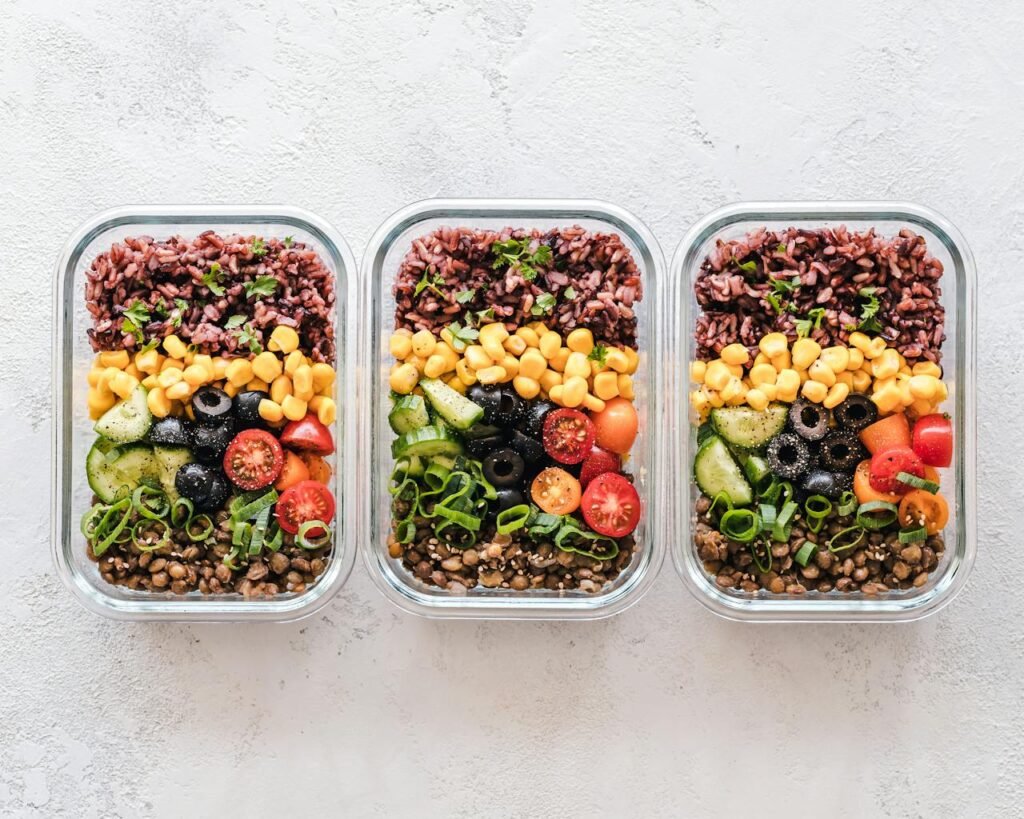
Successful plant-based nutrition relies on thoughtful meal planning to ensure nutritional completeness and variety. Batch cooking grains and legumes, preparing versatile sauces, and maintaining well-stocked pantries with plant-based staples facilitate consistent healthy eating patterns.
Transitioning to Plant-Based Eating
Gradual Implementation Strategies
For individuals new to plant-based eating, gradual transitions often prove more sustainable than immediate complete dietary overhauls. Starting with one plant-based meal per day, participating in “Meatless Monday” initiatives, or replacing dairy milk with plant alternatives can begin the transition process.
Addressing Common Challenges
Social Situations may present challenges when dietary preferences differ from family or social group norms. Communicating dietary choices respectfully and offering to contribute plant-based dishes to gatherings can help navigate these situations.
Nutritional Concerns often arise during transitions. Consulting with registered dietitians experienced in plant-based nutrition can provide personalised guidance and address specific nutritional needs.
Culinary Skills may require development to create satisfying plant-based meals. Exploring ethnic cuisines naturally rich in plant foods, attending cooking classes, or following reputable plant-based cookbooks can expand culinary repertoires.
Environmental and Ethical Considerations
Environmental Impact Reduction
Plant-based diets typically require fewer natural resources, including land, water, and energy, compared to animal product-heavy diets. Agricultural research indicates that producing plant proteins generally results in lower greenhouse gas emissions and reduced environmental footprint.
Animal Welfare Considerations
Many individuals choose plant-based nutrition to align their dietary choices with personal values regarding animal welfare and ethical treatment of animals used in food production.
Special Considerations for Different Life Stages
Children and Adolescents
Growing children can thrive on well-planned plant-based diets with careful attention to energy density, protein quality, and specific nutrients crucial for growth and development. Paediatric nutrition expertise may be beneficial for families implementing plant-based eating patterns for children.
Pregnancy and Lactation
Pregnant and breastfeeding women following plant-based diets require additional attention to specific nutrients, including folate, iron, calcium, vitamin D, and vitamin B12. Professional nutritional guidance ensures maternal and foetal health throughout pregnancy and lactation.
Older Adults
Elderly individuals may benefit from plant-based nutrition’s anti-inflammatory properties and cardiovascular protection, though attention to protein quality and vitamin B12 status becomes increasingly important with age.
Frequently Asked Questions
Q: Can plant-based diets provide enough protein for athletes and active individuals?
A: Yes, well-planned plant-based diets can support athletic performance and muscle development. Many professional athletes successfully compete on plant-based diets, though protein timing and quality require careful consideration for optimal performance and recovery.
Q: How can I ensure adequate iron intake on a plant-based diet?
A: Consume iron-rich plant foods like spinach, lentils, and pumpkin seeds alongside vitamin C sources such as citrus fruits or bell peppers to enhance absorption. Avoiding tea and coffee with meals and cooking in cast iron cookware can also help improve iron status.
Q: Are plant-based diets suitable for people with diabetes?
A: Plant-based diets can be beneficial for diabetes management due to their high fibre content and lower glycemic impact. However, individuals with diabetes should work with healthcare providers to adjust medications as dietary changes may affect blood sugar control.
Q: What are the most important supplements for plant-based eaters?
A: Vitamin B12 is the most crucial supplement for those following strict plant-based diets. Depending on individual circumstances, vitamin D, omega-3 fatty acids, and iron may also be beneficial, but testing can determine specific needs.
Q: How can I make plant-based meals more satisfying and flavourful?
A: Use herbs, spices, and umami-rich ingredients like mushrooms, nutritional yeast, and fermented foods to enhance flavours. Including healthy fats from nuts, seeds, and avocados can improve satiety and meal satisfaction.
Conclusion
Plant-based nutrition offers a sustainable, healthful approach to eating that can support optimal wellness throughout life when properly implemented. The extensive research supporting plant-based diets’ health benefits, combined with environmental and ethical advantages, makes this nutritional approach increasingly relevant in modern healthcare discussions.
Success with plant-based eating requires education, planning, and gradual implementation strategies tailored to individual needs and circumstances. By understanding essential nutrients, meal planning principles, and potential challenges, individuals can confidently adopt plant-based nutrition patterns that support their health goals while aligning with personal values and preferences.
The future of nutrition increasingly recognises plant-based eating as a viable, beneficial approach to supporting human health while addressing broader environmental and ethical concerns. As research continues to demonstrate the advantages of plant-focused dietary patterns, plant-based nutrition remains a valuable tool for promoting individual and planetary wellbeing.
This article provides educational information about plant-based nutrition and should not replace individualised dietary advice from qualified nutrition professionals. Individuals with specific health conditions should consult healthcare providers before making significant dietary changes.