Whether you are a seasoned vegan or a dedicated meat-lover looking to “flex” your diet, plant protein has likely crossed your mind. In recent years, the shift towards plant-centric eating has moved from a niche lifestyle choice to a mainstream health movement. But is it possible to get everything your body needs from plants alone?
The short answer is yes. However, understanding the nuances of plant protein—from amino acids to bioavailability—is key to ensuring you thrive. This guide dives into the science, the sources, and the benefits of choosing plants for your protein needs.
Why the World is Turning to Plant Protein
For decades, animal products were considered the “gold standard” for protein. However, modern research from the British Nutrition Foundation suggests that diversifying your protein sources can significantly improve long-term health outcomes. Unlike animal proteins, which often come with saturated fats, plant-based sources are typically high in dietary fibre and essential phytonutrients.
Moreover, the environmental impact of our food choices is becoming harder to ignore. Research published in Nature highlights that shifting toward meat alternatives and plant-derived staples can drastically reduce carbon footprints and water usage.
Understanding Complete and Incomplete Proteins
One common myth is that plants lack the necessary components to build muscle. To understand this, we must look at amino acids—the building blocks of protein. There are 20 amino acids, nine of which are “essential,” meaning our bodies cannot produce them.
The Myth of Incomplete Proteins
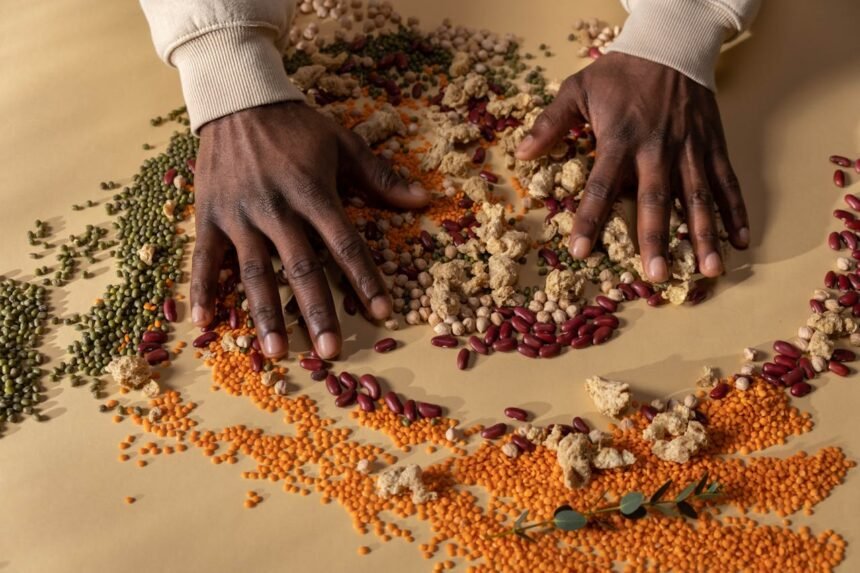
In the past, people believed you had to eat certain plants together in the same meal to form complete proteins. We now know that as long as you eat a varied diet throughout the day, your body is excellent at “pooling” amino acids. However, some sources are naturally complete on their own, such as:
- Soy protein (Tofu, tempeh, and edamame)
- Quinoa
- Buckwheat
- Hemp hearts
- Chia seeds
According to Healthline, even if a source is “incomplete,” like lentils or beans, pairing them with grains like brown rice protein over the course of the day ensures you get the full spectrum of nutrients.
Top Sources of Plant Protein
If you are looking to optimise your intake, variety is your best friend. Different plants offer different micronutrients, such as iron, zinc, and B vitamins. The NHS recommends a high-fibre diet for optimal gut health, and many plant proteins excel here.
| Plant Protein Source | Protein Content (approx. per 100g) | Key Benefit |
|---|---|---|
| Seitan | 25g | High protein, meat-like texture |
| Lentils | 9g (cooked) | Rich in dietary fibre and folate |
| Tofu | 8g | Versatile and a complete protein |
| Pea protein | 20g+ (in powder form) | Hypoallergenic and rich in BCAAs |
| Nutritional yeast | 5g (per 2 tbsp) | Cheesy flavour and B12 source |
Building Muscle with Plant-Based Nutrition
Can you really bulk up without whey? Absolutely. The key to muscle protein synthesis is consuming enough leucine—an amino acid found in high quantities in pea protein and soy. Many elite athletes are now switching to plant protein to reduce inflammation and improve recovery times.
To maximise your results, follow these three steps:
- Prioritise Bioavailability: Some plant proteins are harder to digest. Cooking, sprouting, or fermenting your pulses can improve bioavailability, as noted in studies found on PubMed.
- Watch Iron Absorption: Plant-based iron (non-heme) is not absorbed as easily as animal iron. To boost iron absorption, pair your protein with Vitamin C-rich foods like peppers or citrus, a tip often shared by the Mayo Clinic.
- Distribute Intake: Instead of one massive protein meal, aim to eat 20-30g of protein every 3-4 hours to keep muscle protein synthesis elevated.
Health Benefits Beyond the Gym
Choosing plant protein isn’t just about biceps; it’s about longevity. The American Heart Association highlights that replacing animal fats with plant proteins can lower cholesterol and reduce the risk of cardiovascular disease.
Furthermore, organisations like WCRF-UK emphasize that a diet rich in beans and pulses can help protect against certain types of cancer. For those managing blood sugar, Diabetes UK notes that the high fibre content in plant sources helps prevent insulin spikes, making it an excellent choice for type 2 diabetes management.
Potential Challenges and How to Overcome Them
While plant protein is powerhouse nutrition, there are a few things to keep in mind. Some people find that a sudden increase in pulses can lead to bloating. The British Dietetic Association suggests increasing your intake gradually and drinking plenty of water to help your digestive system adapt.
Additionally, while plants provide protein, they don’t provide Vitamin B12. If you are strictly plant-based, the Vegan Society recommends using fortified foods like nutritional yeast or taking a high-quality supplement.
The Bottom Line
Integrating more plant protein into your diet is one of the most impactful changes you can make for your health and the planet. By focusing on a variety of sources—from edamame and lentils to hemp hearts—you can easily meet your nutritional needs while enjoying delicious, vibrant food. Whether your goal is fat loss, muscle gain, or simply feeling better, the power of plants is undeniable.
For more evidence-based nutrition advice, explore resources from the FAO or delve into the scientific literature on ScienceDirect. A balanced approach, as suggested by Harvard Health, ensures you get all the benefits without the guesswork.
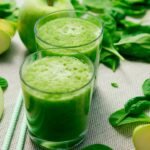
Ready to start? Try swapping your midday ham sandwich for a chickpea salad or adding a scoop of brown rice protein to your morning smoothie. Your body—and the Earth—will thank you.
Frequently Asked Questions (FAQs)
Is plant protein as effective as whey for muscle growth?
Yes. Studies mentioned by Cochrane and other research bodies indicate that when total protein and leucine intake are matched, there is no significant difference in muscle gains between plant and animal sources.
Do I need to worry about “anti-nutrients” in plants?
Compounds like lectins and phytates are often called anti-nutrients because they can interfere with mineral absorption. However, normal cooking processes like boiling, soaking, and sprouting neutralise most of these, making plant protein perfectly safe and highly nutritious.
Which plant has the most protein?
In its natural form, seitan (made from wheat gluten) contains the highest protein per 100g. Among legumes, lentils and soy protein (tempeh) are the heavy hitters.