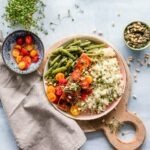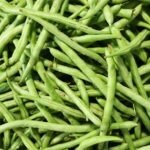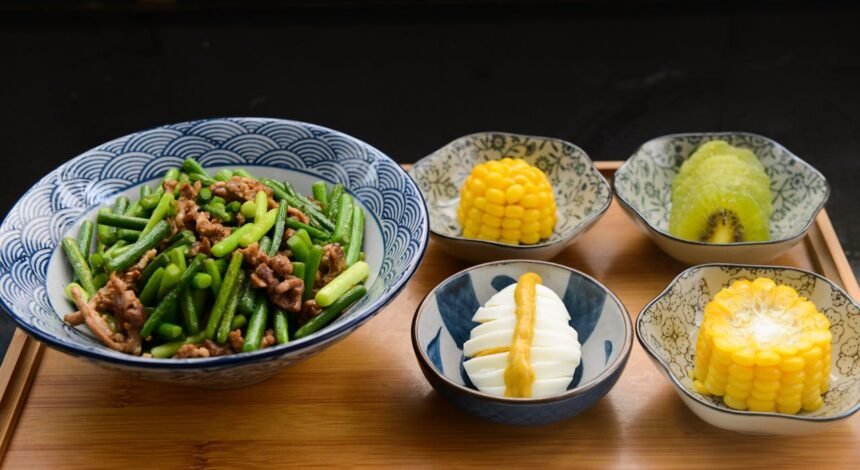
Green beans are a staple in kitchens across the UK and the world. Whether you call them French beans, string beans, snap beans, or haricots verts, these vibrant legumes are celebrated for their crunch, versatility, and impressive nutritional profile.
Generally, green beans are considered safe and highly beneficial for most people. They are packed with essential vitamins, minerals, and dietary fibre. However, as with almost any food, it is possible to have too much of a good thing.
While rare, consuming excessive amounts of green beans—or preparing them incorrectly—can lead to uncomfortable digestive symptoms and potential interactions with certain medications. Understanding the green bean side effects associated with overconsumption can help you enjoy this vegetable safely and comfortably.
This article explores the potential downsides of eating too many green beans, the science behind these reactions, and practical tips for managing your intake.
Overview: The Nutritional Profile
Before discussing the potential drawbacks, it is important to understand why green beans are so popular in healthy diets. They are low in calories yet nutrient-dense.
A standard serving of cooked green beans provides a wealth of nutrients beneficial for heart health, immune function, and bone density. They are technically legumes, although they are eaten as vegetables because they are harvested while the beans are still immature in the pod.
Here is a breakdown of the key nutrients found in green beans that play a role in both their benefits and their potential side effects:
| Nutrient | Function | Potential Issue in Excess |
|---|---|---|
| Dietary Fibre | Promotes digestion, lowers cholesterol | bloating, gas, cramping |
| Vitamin K | Essential for blood clotting | Interferes with blood thinners |
| Lectins | Plant proteins (natural defence) | Nausea, vomiting, diarrhoea |
| Phytates | Antioxidant properties | Reduced mineral absorption |
While the nutritional density is generally a positive attribute, a sudden spike in the intake of these compounds is what typically triggers adverse reactions.
Causes and Contributing Factors
Most side effects related to green beans stem from three primary categories: digestive intolerance to fibre, the presence of antinutrients, and specific drug-nutrient interactions.
1. Digestive Distress from Fibre Overload
Green beans contain both soluble and insoluble fibre. While fibre is crucial for maintaining a healthy digestive tract, increasing your fibre intake too rapidly can shock your digestive system.
If you suddenly introduce a large volume of green beans into your diet, gut bacteria may ferment the fibre too vigorously. This fermentation process produces gas as a byproduct. Common symptoms of fibre overload include:
- Abdominal bloating and distension
- Excessive flatulence
- Stomach cramping
- Changes in bowel movements (diarrhoea or constipation)
For individuals with Irritable Bowel Syndrome (IBS), green beans are generally considered low FODMAP in modest serving sizes (around 75g). However, consuming large quantities (over 125g) can increase the sorbitol and mannitol content, potentially triggering IBS symptoms.
For more on managing fibre intake, you can consult the Mayo Clinic guide.
2. The Role of Lectins
Lectins are a type of protein that binds to carbohydrates. They are found in high concentrations in most legumes, including beans, lentils, and peas. Plants produce lectins as a natural defence mechanism against pests and insects.
While green beans have lower levels of lectins compared to kidney beans, they still contain them, particularly phytohaemagglutinin. Consuming raw or undercooked green beans can lead to lectin toxicity. Symptoms can mimic food poisoning and may include:
- Severe nausea
- Vomiting
- Diarrhoea
- Abdominal pain
Cooking green beans thoroughly neutralises these lectins, making them safe to eat. However, those who follow raw food diets and consume large quantities of raw green beans are at a significantly higher risk of these side effects. Research on the impact of lectins is available through Harvard T.H. Chan School of Public Health.
3. Phytates and Mineral Absorption
Green beans contain phytic acid (phytates), which is often referred to as an ‘anti-nutrient’. Phytates have a strong binding affinity for minerals such as iron, zinc, magnesium, and calcium.
When you eat foods high in phytates, they can bind to these minerals in your digestive tract, preventing your body from absorbing them efficiently. While this is rarely a concern for people with a varied diet, those who rely heavily on plant-based sources for their mineral intake might experience deficiencies if they consume excessive amounts of high-phytate foods without proper preparation.
4. Vitamin K and Blood Thinners
One of the most clinically significant green bean side effects concerns Vitamin K. Green beans are rich in Vitamin K1 (phylloquinone), which is vital for blood clotting.
For the general population, this is excellent. However, for individuals taking blood-thinning medication such as Warfarin (Coumadin), consistent Vitamin K intake is critical. A sudden increase in green bean consumption can increase Vitamin K levels, potentially counteracting the effects of the medication and increasing the risk of blood clots.
Information regarding this interaction is detailed by the Cleveland Clinic.
Treatment and Management
If you have overindulged in green beans and are experiencing discomfort, or if you are looking to manage a chronic sensitivity, there are several strategies you can employ.
Managing Digestive Discomfort
If you are experiencing bloating or gas after eating green beans, time is usually the best healer. However, the following may help alleviate symptoms:
- Hydration: Drinking plenty of water helps move fibre through your digestive system and can alleviate constipation associated with bulk-forming fibre.
- Gentle Movement: Light exercise, such as a 15-minute walk, can help stimulate intestinal motility and release trapped gas.
- Peppermint Tea: Peppermint acts as an antispasmodic, which may relax the muscles of the bowel and reduce cramping.
- Enzyme Supplements: Over-the-counter products containing alpha-galactosidase can help break down complex carbohydrates found in beans, reducing gas production. You can read more about gas management at WebMD.
Addressing Nutrient Interactions
If you are concerned about mineral absorption due to phytates:
- Pair with Vitamin C: Consuming Vitamin C-rich foods (like lemon juice or bell peppers) alongside green beans can significantly improve non-heme iron absorption, counteracting the effects of phytates.
- Blanching: Boiling or blanching green beans reduces phytic acid levels more effectively than steaming.
For those on anticoagulants, consistency is key. You do not necessarily need to avoid green beans, but you should maintain a consistent daily intake of Vitamin K rather than oscillating between high and low consumption. Always consult your GP or the NHS Live Well guidance before making drastic dietary changes.
Practical Tips for Safe Consumption
To enjoy the benefits of green beans without the green bean side effects, consider these preparation and consumption tips.
1. Always Cook Your Beans
To neutralise lectins, avoid eating green beans raw. Steaming, boiling, or sautéing them for at least 5 to 10 minutes is usually sufficient to degrade the lectins and make the beans easier to digest. Even if you enjoy the crunch of a raw bean in a salad, a quick blanch is safer.
For further reading on the benefits of cooked vegetables, visit Medical News Today.
2. Gradual Introduction
If your diet is currently low in fibre, do not suddenly start eating large bowls of green beans. Increase your intake gradually over several weeks. This allows your gut microbiome to adapt to the increased fibre load, reducing the likelihood of gas and bloating.
3. Watch the Portion Size
For most people, a serving size of 80g to 100g is sufficient to gain nutritional benefits without triggering gastrointestinal distress. If you are sensitive to FODMAPs, stick to strictly weighed portions recommended by a dietitian.
4. Preparation Matters
Canned green beans are often high in sodium, which can cause water retention and bloating, distinct from fibre-related bloating. Always rinse canned beans thoroughly under cold water to remove excess salt, or opt for fresh or frozen varieties.
For a comprehensive look at green bean nutrition, check out this article on Healthline.
5. Rotate Your Greens
Do not rely solely on green beans for your vegetable intake. Rotating with other vegetables like courgettes, spinach, and carrots ensures a broader range of nutrients and prevents the accumulation of any single anti-nutrient. The British Heart Foundation advocates for variety in plant-based diets.
The Bottom Line
Green beans are a nutritious, low-calorie food that deserves a place on your plate. They are rich in antioxidants, fibre, and vitamins that support overall health.
The potential green bean side effects—such as gas, bloating, lectin toxicity, and drug interactions—are largely preventable. They typically occur only when beans are eaten raw, in excessive quantities, or by individuals with specific medical conditions.
Most people can enjoy green beans daily without issue. However, if you are taking blood thinners, have a sensitive gut, or suffer from IBS, paying attention to portion sizes and cooking methods is essential.
As with all aspects of nutrition, balance is the key. By cooking your beans thoroughly and listening to your body’s signals, you can reap the benefits of this verdant vegetable while avoiding the discomfort.
Always consult a healthcare professional before making significant changes to your diet, especially if you manage chronic health conditions or take prescription medications.
Additional Resources: