


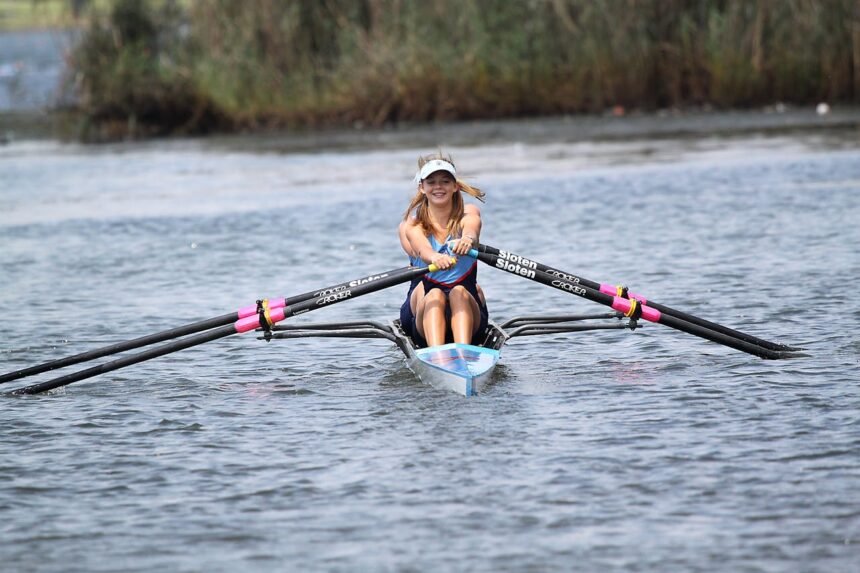
Rowboat fitness offers a unique blend of strength, endurance, and tranquil communion with nature. Unlike its indoor ergometer cousin, outdoor rowboat fitness immerses you in the elements, providing a full-body workout that challenges your muscles and cardiovascular system while soothing your mind. However, for beginners, the allure can quickly turn into frustration or even injury if proper technique isn’t mastered from the outset. Many common mistakes can hinder your progress, reduce efficiency, and prevent you from truly harnessing the power of the stroke.
This comprehensive guide is designed to equip you with the knowledge to execute the perfect rowing stroke, identify prevalent beginner errors, and adopt strategies for a safe, effective, and enjoyable fitness journey on the water. By understanding the biomechanics and adopting a professional approach, you’ll unlock the full potential of rowboat fitness.
The Allure of Rowboat Fitness: More Than Just a Workout
Engaging in rowboat fitness is an exceptional way to improve your overall health. It’s a low-impact exercise that simultaneously strengthens major muscle groups across your legs, core, back, and arms, while providing a formidable cardiovascular workout. Beyond the physical benefits, the rhythmic motion and connection with nature can significantly reduce stress and enhance mental well-being. For a deeper dive into the health advantages, explore the health benefits of rowing.
Deconstructing the Perfect Stroke: A Four-Phase Approach
The rowing stroke is a fluid, coordinated movement that engages nearly every muscle in your body. It’s typically broken down into four distinct yet interconnected phases: The Catch, The Drive, The Finish, and The Recovery. Understanding each phase is crucial for developing a powerful and efficient stroke, harnessing the incredible power of the human muscular system effectively.
Phase 1: The Catch – Setting the Stage
This is your starting position, where you prepare to initiate the stroke.
- Position: Slide forward on the seat until your shins are vertical, or nearly so, with your knees bent and chest close to your thighs. Your arms should be fully extended forward, gripping the oar handle firmly but not overly tight.
- Back: Maintain a tall, upright posture with a slight forward lean from the hips (about 10-15 degrees), keeping your core engaged and your back straight and strong. Avoid hunching or rounding your back.
- Common Mistake: Beginning the pull with your arms before your legs are engaged. This puts undue strain on your back and arms, negating the power from your legs.
Phase 2: The Drive – Powering Through
This is the most powerful part of the stroke, where you generate propulsion.
- Legs First: Initiate the drive by powerfully pushing off with your legs. Imagine pressing your feet through the foot stretchers. This is where approximately 60-70% of the stroke’s power originates.
- Core and Back: As your legs extend, your core engages, and your back straightens further from the initial forward lean. Your body should swing back slightly, pivoting around your hips. Maintain good posture for overall health throughout.
- Arms Last: Only when your legs are almost fully extended and your body has swung back slightly should your arms begin to pull the oar handle towards your body.
- Sequence: The power sequence is Legs-Core-Arms.
- Common Mistake: Pulling with your arms too early or at the same time as your legs, known as “arm-pulling.” This reduces leg drive and overworks the arms and shoulders.
Phase 3: The Finish – Completing the Power
The final stage of the power application, maximizing the stroke’s effectiveness.
- Body Position: Your legs are fully extended, your body is leaned back slightly (about 10-15 degrees from vertical), and your abdominal muscles are engaged.
- Arms: The oar handle should be pulled into your body, typically just below your sternum or ribcage. Your elbows should be pointing slightly outwards.
- Shoulders: Keep your shoulders relaxed and down, not hunched up by your ears.
- Common Mistake: Over-extending the lean back, which can strain your lower back, or shrugging your shoulders to finish the pull.
Phase 4: The Recovery – Preparing for the Next Stroke
This is the return phase, preparing you for the next powerful drive. It should be controlled and smooth, not rushed.
- Arms First: Extend your arms straight forward, pushing the handle away from your body.
- Body Second: Once your arms are extended, pivot forward from your hips, bringing your body to the slight forward lean for the catch.
- Legs Last: As your body comes forward, allow your knees to bend and the seat to slide forward, bringing you back to the catch position.
- Sequence: The recovery sequence is Arms-Body-Legs. It’s the reverse of the drive.
- Common Mistake: Rushing the recovery, especially by bending the knees too early, which causes the seat to “shoot” forward and disrupts rhythm and balance.

Common Beginner Mistakes and How to Correct Them
Even with a basic understanding of the stroke, beginners often fall into predictable traps. Recognizing and correcting these early on will significantly enhance your rowboat fitness journey.
Mistake 1: “Arm-Pulling” Syndrome
- Problem: Pulling primarily with the arms and shoulders, often starting the pull too early in the drive phase. This limits power, causes quick fatigue in the upper body, and neglects the stronger leg muscles.
- Correction: Focus intensely on initiating the drive with a powerful push from your legs. Think “legs, then core, then arms.” Practice drills where you only use your legs and body swing for the first part of the drive, only bringing the arms in at the very end.
Mistake 2: Hunching or Arching the Back
- Problem: Rounding the upper back during the catch or drive, or excessively arching the lower back at the finish. Both postures compromise spinal health and reduce power transfer.
- Correction: Maintain a strong, neutral spine throughout the entire stroke. Engage your core muscles (abdominal and lower back) to support your posture. Lean slightly forward from the hips at the catch and slightly back at the finish, keeping your back straight. Think of your torso as a solid unit.
Mistake 3: Rushing the Recovery
- Problem: Speeding through the recovery phase, causing a jerky motion, poor balance, and setting up an inefficient catch. Often, this involves bending the knees too early.
- Correction: The recovery should be twice as long as the drive. It’s a controlled, deliberate motion. Extend your arms first, then lean forward from your hips, and finally allow your knees to bend as you slide forward. This “arms-body-legs” sequence ensures a smooth return to the catch.
Mistake 4: Gripping Too Tightly
- Problem: White-knuckling the oar handle leads to forearm fatigue, tension in the shoulders, and can impede natural movement.
- Correction: Maintain a firm but relaxed grip on the oar. The oar should feel like an extension of your hands, not something you’re clamping down on for dear life. A relaxed grip allows for better control and reduces unnecessary muscle strain.
Mistake 5: Neglecting Warm-up and Cool-down
- Problem: Jumping straight into a rigorous rowing session without preparing your body, or finishing abruptly. This increases the risk of muscle strains, soreness, and injury.
- Correction: Always begin your
rowboat fitnesssession with a 5-10 minute warm-up of light cardio and dynamic stretches. This prepares your muscles and joints for activity. For examples of effective pre-exercise routines, refer to guidelines on warm-up and stretching. Conclude with a 5-10 minute cool-down, incorporating static stretches to improve flexibility and aid muscle recovery. Learn more about the importance of a cool-down.
Essential Considerations for Safe and Effective Rowboat Fitness
Beyond mastering the stroke, several factors contribute to a successful and safe rowboat fitness experience.
Pre-Workout Preparation
- Hydration: Staying well-hydrated is critical for any physical activity, especially outdoors. Drink plenty of water before, during, and after your session. The CDC offers great advice on water and healthier drinks.
- Nutrition: Fuel your body appropriately. A balanced meal rich in complex carbohydrates and lean protein a few hours before your workout will provide sustained energy. Consult the Academy of Nutrition and Dietetics for sports nutrition guidance.
- Equipment Check: Before launching, ensure your boat, oars, and safety gear are in good condition. Check for any damage, loose parts, or malfunctioning equipment.
On-Water Safety
- Life Jackets: Always wear a properly fitted life jacket (Personal Flotation Device or PFD), even if you are a strong swimmer. Accidents can happen quickly.
- Weather Awareness: Check weather forecasts before heading out. Avoid strong winds, storms, or extremely cold water conditions.
- Navigation & Awareness: Understand local waterways, regulations, and potential hazards. Be aware of other boaters, swimmers, and wildlife. The U.S. Coast Guard offers comprehensive boating safety resources.
- Know Your Limits: Start slowly and gradually increase your duration and intensity. Don’t push yourself beyond your current fitness level, especially in unfamiliar waters.
Progressive Training and Injury Prevention
- Start Small: Begin with shorter, less intense sessions to build your foundational
fitnessand refine your technique. As your strength and endurance improve, you can gradually increase the length and intensity of your rows. - Listen to Your Body: Pay attention to any pain or discomfort. Persistent pain is a sign to rest or seek professional advice. Early detection and intervention are key to preventing sports injuries.
- Cross-Training: Incorporate other activities like stretching, yoga, or strength training to complement your rowing and build overall resilience. Rowing is excellent for cardiovascular fitness, but a holistic approach is best.
Comparing Rowboat Fitness to Other Activities
To help illustrate the unique advantages of rowboat fitness, let’s compare it to two popular aerobic exercises: running and cycling.
| Feature | Rowboat Fitness (Outdoor) | Running | Cycling (Outdoor) |
|---|---|---|---|
| Impact Level | Low-impact (non-weight bearing) | High-impact | Low-impact (non-weight bearing) |
| Muscle Groups | Full-body: legs, core, back, arms, shoulders | Primarily lower body, some core | Primarily lower body, some core and upper body |
| Cardiovascular | Excellent; engages large muscle groups | Excellent; engages large muscle groups | Excellent; engages large muscle groups |
| Environment | Water-based; often serene, variable conditions | Land-based; varied terrain, concrete, trails | Land-based; varied terrain, roads |
| Calorie Burn | High (due to full-body engagement) | High (intensity dependent) | High (intensity dependent) |
| Injury Risk | Low (if proper technique); potential for overuse if poor form | Moderate to high (joints, shins, feet) | Low (if proper technique); potential for falls |
| Mental Benefits | Stress relief, nature connection, rhythmic flow | Stress relief, endorphins, goal setting | Stress relief, exploration, freedom |
Frequently Asked Questions (FAQ)
Q1: How often should a beginner row for fitness?
A1: Beginners should start with 2-3 sessions per week, allowing for rest days in between. Begin with 20-30 minute sessions at a moderate intensity. As your stamina and technique improve, you can gradually increase duration or frequency.
Q2: What essential equipment do I need for rowboat fitness?
A2: Beyond the rowboat and oars themselves, essential equipment includes a properly fitted life jacket (PFD), appropriate weather-resistant clothing, water, and perhaps a small dry bag for essentials like your phone or keys. Sunscreen and a hat are also highly recommended.
Q3: Is rowboat fitness good for weight loss?
A3: Absolutely! As a full-body, cardiovascular workout, rowboat fitness can burn a significant number of calories, making it an excellent tool for weight loss when combined with a healthy diet. Its low-impact nature also makes it sustainable for longer durations.
Q4: Can I engage in rowboat fitness if I have back pain?
A4: While rowing can be beneficial for strengthening core and back muscles, it’s crucial to consult your doctor or a physical therapist before starting if you have existing back pain. Proper technique, with a strong emphasis on core engagement and a neutral spine, is paramount to avoid exacerbating back issues. Often, a physical therapist can provide tailored advice or modifications.
Conclusion
Mastering the proper technique for rowboat fitness is the cornerstone of an effective, enjoyable, and injury-free experience. By understanding the four phases of the stroke – Catch, Drive, Finish, and Recovery – and diligently avoiding common beginner mistakes like arm-pulling or rushing the recovery, you can unlock the immense potential of this incredible full-body workout. Remember to prioritize safety with appropriate gear and awareness, and always listen to your body. Embrace the rhythm of the water and the power of your stroke, and you’ll find rowboat fitness to be a rewarding addition to your fitness regimen, offering both physical prowess and mental serenity. Get out there, row smart, and enjoy the journey!


