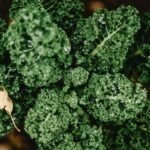
Walking through the produce aisle, you are likely accustomed to seeing mounds of curly green leaves. Kale has firmly established itself as the king of superfoods over the last decade, finding its way into salads, smoothies, and even chips. However, nestled beside the familiar green bunches, you might occasionally spot a vibrant, violet-hued variety: purple kale. This striking vegetable often raises a question for health-conscious shoppers: Is this merely a cosmetic difference, or does the color indicate a deeper nutritional variance?
Understanding the nuances of our food is essential for optimizing our diet. While both varieties belong to the Brassica oleracea family, the biological mechanisms that create their distinct pigments also influence their chemical composition. To help you make the most informed decision for your next meal, we are taking a deep dive into the specific profiles of these leafy greens. We will explore the benefits of cruciferous vegetables generally, while pinpointing exactly where these two cousins diverge.
The Botanical Background: Same Family, Different Look
Before analyzing the micronutrients, it is helpful to understand the botanical relationship. Both green and purple kale are cultivars of the cabbage family. This family also includes broccoli, cauliflower, and Brussels sprouts. The primary difference lies in the specific cultivar groups. Green kale is most commonly associated with the Scots Kale group (curly kale) or the Lacinato group (dino kale). Purple kale often falls into varieties like Redbor or Scarlet kale.
Despite their visual differences, they share a robust profile of fiber, vitamins, and minerals. According to the USDA FoodData Central, kale is one of the most nutrient-dense foods available per calorie. However, the genetic expression that turns one plant green and the other purple is the key to their nutritional divergence.
Nutritional Profile of Green Kale
Green kale is the standard-bearer for leafy green nutrition. Its deep green color comes from chlorophyll, the pigment essential for photosynthesis. Chlorophyll itself has been studied for potential health properties, including detoxification support. Green kale is exceptionally high in Vitamin K1, which is vital for blood clotting and bone metabolism.
A single cup of raw green kale provides well over 100% of your daily value for Vitamin K. If you are looking to understand more about why this vitamin is critical, read our guide on the benefits of vitamin K for long-term bone health. Additionally, green kale is a potent source of Vitamin C and beta-carotene, a precursor to Vitamin A.
Research published by the National Institutes of Health (NIH) highlights the role of phylloquinone (Vitamin K1) in maintaining skeletal health, making green kale a non-negotiable staple for many. Furthermore, the fibrous structure of green kale supports digestive health and blood sugar regulation.
Nutritional Profile of Purple Kale
Purple kale contains all the nutrients found in green kale, but it brings a secret weapon to the table: anthocyanins. These are flavonoid pigments responsible for the red, purple, and blue hues in plants. They are the same compounds that make blueberries and blackberries famous superfoods. While green kale relies on chlorophyll, purple kale’s genetic makeup produces high concentrations of these powerful antioxidants.
This does not mean purple kale lacks chlorophyll; it is simply masked by the intensity of the purple pigment. From a caloric and macronutrient standpoint (protein, carbs, fats), purple and green kale are nearly identical. The divergence is almost exclusively found in the phytochemical makeup. For those seeking to maximize their intake of protective plant compounds, incorporating antioxidant-rich foods like purple kale is a strategic move.
The Power of Anthocyanins
Anthocyanins are more than just natural food coloring. They are potent antioxidants that combat oxidative stress in the body. A study found in the National Library of Medicine suggests that dietary anthocyanins may help lower blood pressure and reduce arterial stiffness. This suggests that while both kales are heart-healthy, purple kale may offer a slight edge specifically regarding vascular health due to these flavonoids.

Head-to-Head: The Nutritional Showdown
Let’s break down the comparison into specific categories to see how they stack up against one another.
1. Vitamin Content
Both varieties are rich in Vitamins A, C, and K. However, agricultural studies suggest that purple varieties often contain slightly higher levels of Vitamin C compared to their green counterparts. Vitamin C is essential for immune function and collagen synthesis. If you are looking to boost your immunity, you might want to combine kale with other Vitamin C powerhouses for maximum absorption.
2. Antioxidant Capacity
This is where purple kale shines. While green kale is high in beta-carotene and lutein, the addition of anthocyanins in purple kale significantly increases its total antioxidant capacity. Antioxidants are crucial for neutralizing free radicals, which are unstable atoms that can damage cells. A diet high in varied antioxidants is key to an anti-inflammatory diet, which can help mitigate the risk of chronic diseases.
3. Taste and Texture
Nutritional value often dictates what we should eat, but taste dictates what we actually eat. Green curly kale tends to be fibrous, slightly bitter, and peppery. Purple kale generally has a sweeter, milder flavor profile. The leaves can be slightly more tender, especially when harvested young. For those who struggle with the bitterness of standard kale, purple kale might be a more palatable introduction to gut health basics and high-fiber eating.
Health Benefits Comparison
Heart Health
Both types of kale support cardiovascular health. They contain bile acid sequestrants, which can lower cholesterol levels. However, the anthocyanins in purple kale provide an extra layer of protection against heart disease. The American Heart Association emphasizes eating a “rainbow” of fruits and vegetables to ensure a broad intake of these cardioprotective phytonutrients.
Eye Health
Kale is one of the best sources of lutein and zeaxanthin, carotenoids that accumulate in the retina and protect against macular degeneration. While green kale usually has higher concentrations of these specific carotenoids (as the purple pigment can sometimes indicate lower carotenoid levels, though not always), both are excellent choices. To support your vision, consider integrating these greens into a diet focused on foods for eye health.
According to the American Optometric Association, leafy greens are a primary defense against age-related eye decline.
Cancer Prevention
Cruciferous vegetables are renowned for their cancer-fighting properties, largely due to compounds called glucosinolates. When you chew and digest kale, these break down into biologically active compounds like indoles and isothiocyanates. Research published by the National Cancer Institute indicates that these compounds have been found to inhibit the development of cancer in several organs in rats and mice. Both green and purple kale contain glucosinolates, making them both powerful allies in cancer prevention.
Culinary Uses and Bioavailability
How you cook your kale affects its nutritional value. Raw kale retains the most Vitamin C, but cooking it can increase the bioavailability of Vitamin A and K. Furthermore, steaming kale significantly improves its bile acid binding ability, which is good for cholesterol lowering.
- Salads: Purple kale is often preferred for raw salads due to its milder flavor and aesthetic appeal.
- Smoothies: Green kale is a staple here, but purple kale can turn your green smoothie a muddy brown color, which some find unappealing despite the nutrition.
- Cooking: Keep in mind that purple kale will lose its vibrant violet hue when cooked, turning a dark green. To preserve the color (and the anthocyanins), brief steaming or eating it raw is best.
If you are new to preparing these greens, check out our guide on how to cook leafy greens to maximize flavor and nutrient retention.
Potential Downsides and Considerations
While kale is a superstar, more is not always better for everyone. Kale contains oxalates, which can contribute to kidney stones in susceptible individuals. However, kale is actually lower in oxalates compared to spinach. Additionally, kale contains goitrogens, which can interfere with thyroid function if consumed in massive amounts by those with iodine deficiency. If you have thyroid concerns, reading up on thyroid function and diet is recommended. The Mayo Clinic suggests that cooking cruciferous vegetables reduces their goitrogenic activity, making them safer for those with thyroid issues.
Another consideration is pesticide residue. Kale frequently appears on the “Dirty Dozen” list released by the Environmental Working Group (EWG). Whenever possible, opting for organic kale—whether purple or green—is advisable to minimize exposure to synthetic pesticides.
The Bottom Line
So, is there a nutritional difference between purple and green kale? Yes, but it is a matter of nuance rather than superiority. Green kale tends to be slightly higher in Vitamin K and carotenoids like lutein. Purple kale takes the lead in antioxidant capacity due to its high anthocyanin content and offers a milder, sweeter flavor.
The best approach to nutrition is variety. By rotating between green and purple kale, you ensure that your body receives the full spectrum of phytonutrients available from the Brassica family. Do not get too hung up on choosing the “perfect” vegetable; both are nutritional powerhouses that far exceed the density of most other foods in the supermarket.
To make this a habit, try incorporating them into your weekly balanced meal planning routine. Whether you choose the emerald leaves of Lacinato or the violet ruffles of Redbor, you are making a choice that supports longevity, vitality, and overall health. For further reading on global dietary guidelines involving vegetables, the World Health Organization (WHO) provides excellent resources on maintaining a healthy diet.
Ultimately, the best kale is the one you enjoy enough to eat regularly.