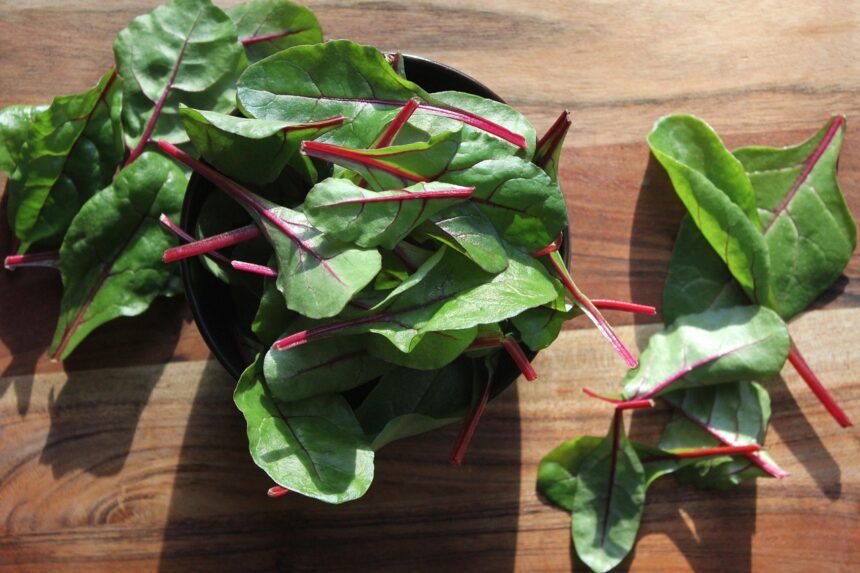
When navigating the produce aisle, the vibrant array of leafy greens can often be overwhelming. Two of the most visually striking options you will encounter are Swiss chard and rainbow chard. While they may appear to be distinct varieties due to their coloration, they are, botanically speaking, the same plant: Beta vulgaris subsp. cicla. The primary difference lies in the pigmentation of their stalks and veins. Swiss chard typically refers to the variety with milky white stems, sometimes called silverbeet, while rainbow chard is often a bundle of different chard varieties—including white, red, yellow, and orange—packaged together to offer a spectrum of phytonutrients.
Despite their botanical identity, subtle differences in nutritional composition, primarily driven by the pigment compounds known as betalains, and minor variations in flavor profiles do exist. Understanding these nuances can help you optimize your plant-based diet strategy and culinary results.
Botanical Background: Same Species, Different Pigments
Both Swiss and rainbow chard belong to the chenopod family (Amaranthaceae), which also includes beets, spinach, and quinoa. Unlike beets, chard is grown for its large, tender leaves and fleshy stalks rather than its root system. The name “Swiss chard” is somewhat of a misnomer, as the plant is native to the Mediterranean region rather than Switzerland. It has been a staple in Mediterranean cooking for centuries due to its resilience and nutrient density.
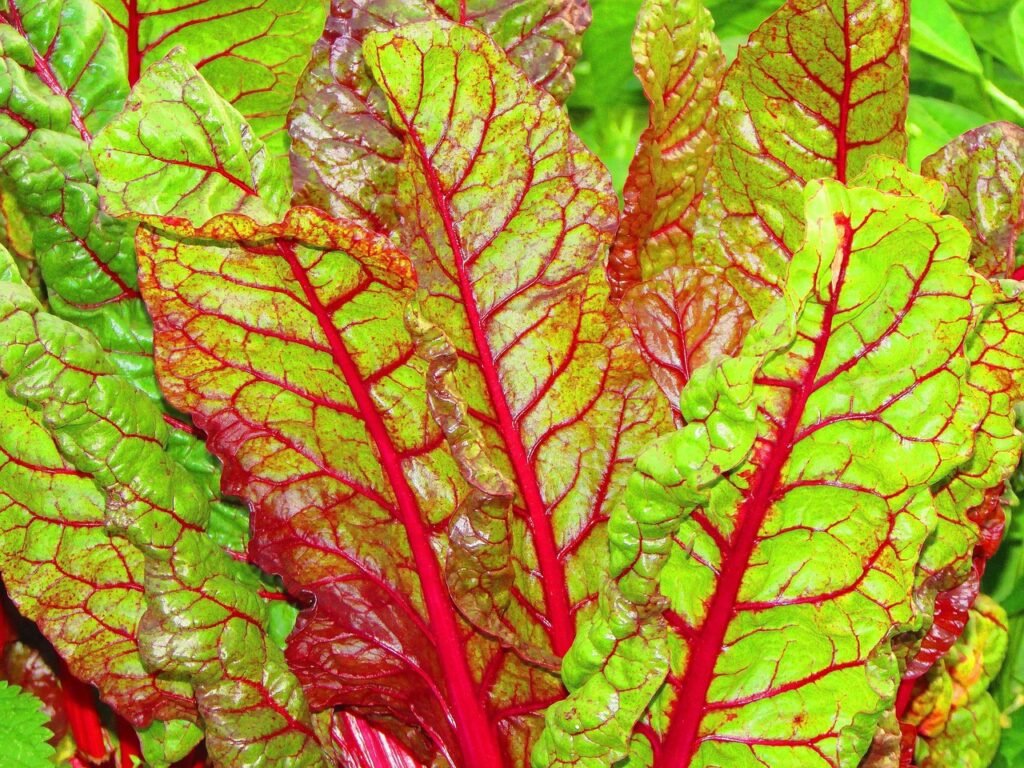
When you purchase Swiss chard, you are typically buying a specific cultivar with white stems. Rainbow chard, however, is not a specific cultivar itself but usually a mix of white-stemmed chard, red chard (often Rhubarb chard), and golden chard. Occasionally, you may find hybrid varieties like ‘Bright Lights’ where the multicolor genetics are present in a single seed line. The vibrant colors in the red and yellow stalks are caused by betalains, the same water-soluble pigments found in beets. You can verify the botanical classification at the USDA FoodData Central database.
Nutritional Profile Breakdown
Both varieties of chard are nutritional powerhouses, low in calories but incredibly high in vitamins, minerals, and fiber. However, the color of the stalk indicates the presence of specific antioxidants.
Vitamin K and Bone Health
One of the most significant benefits of consuming any variety of chard is its exceptional Vitamin K content. A single cup of cooked chard provides over 600% of the recommended daily intake (RDI) of Vitamin K1. This vitamin is essential for blood clotting and, more importantly for long-term health, bone metabolism. Vitamin K acts as a cofactor for osteocalcin, a protein that mineralizes bone. For those concerned about osteoporosis, integrating chard into your diet is a powerful step. You can read more about the benefits of Vitamin K for skeletal strength. According to the National Institutes of Health (NIH), maintaining adequate Vitamin K levels is linked to reduced fracture rates.
Antioxidants: The Color Factor
This is where the differences between Swiss and rainbow chard become measurable. The white stems of traditional Swiss chard contain flavonoids like syringic acid and kaempferol. However, the colored stems in rainbow chard introduce a wider range of antioxidants:
- Betacyanins: Found in the red and pink stalks, these pigments have demonstrated potent anti-inflammatory properties.
- Betaxanthins: Found in the yellow and orange stalks, these compounds serve as antioxidants that protect cells from oxidative stress.
While both types provide beta-carotene (which converts to Vitamin A) and lutein for eye health, choosing rainbow chard essentially provides a broader “antioxidant cocktail” due to the diversity of pigments. Studies listed on PubMed suggest that betalains may support the body’s natural detoxification processes (Phase 2 detoxification).
Magnesium and Potassium
Chard is arguably one of the best sources of dietary magnesium, a mineral that roughly half of the US population is deficient in. Magnesium is critical for muscle function, nerve transmission, and glucose control. Both Swiss and rainbow chard offer similar amounts of magnesium and potassium, making them excellent for blood sugar management and cardiovascular health. High potassium intake is associated with lowered blood pressure, as emphasized by the American Heart Association.
Taste and Texture Differences
While the nutritional variances are microscopic, the culinary experience can differ slightly depending on the color of the chard you select.
Flavor Profiles
Swiss Chard (White Stem): Generally, the white-stemmed varieties are considered the mildest. The stalks have a flavor reminiscent of bok choy or celery but with a distinct earthiness. The leaves are tender and similar to spinach but hold their shape better when cooked.
Rainbow/Red Chard: The red and yellow varieties tend to have a slightly earthier, sometimes “beet-like” flavor due to the betalains. Some palates detect a very subtle increase in bitterness in the colored stalks compared to the white ones, although this is often mitigated by cooking. The difference is usually negligible in a complex dish like a stew or gratin, but it might be noticeable if eaten raw in a salad.
Texture and Cooking
The texture is consistent across colors. The stalks are crunchy and fibrous, while the leaves are delicate. Because the stalks take longer to cook than the leaves, most recipes suggest separating them. If you are learning how to incorporate these greens, check our guide on mastering leafy greens in the kitchen.
Health Benefits
Incorporating either Swiss or rainbow chard into your diet yields substantial health dividends.
Cardiovascular Support
The combination of potassium, magnesium, and dietary nitrates in chard helps regulate blood pressure. Dietary nitrates, which are abundant in chard, are converted by the body into nitric oxide, a molecule that dilates blood vessels and improves circulation. This mechanism is similar to the benefits seen in beet consumption. For more on heart-healthy eating, review the Mediterranean diet plan, which leans heavily on greens like chard.
Blood Sugar Regulation
Chard contains an antioxidant known as alpha-lipoic acid. This compound has been shown to lower glucose levels and increase insulin sensitivity. Furthermore, the high fiber content slows the absorption of sugar into the bloodstream, preventing spikes. The Centers for Disease Control and Prevention (CDC) recommends high-fiber vegetables as a staple for prediabetes management.
Digestive Health
With roughly 4 grams of fiber per cup of cooked greens, chard supports a healthy microbiome. Fiber adds bulk to stool and facilitates regular bowel movements. To understand how fiber types affect your gut, see our article on fiber and digestion. Adequate fiber intake is also linked to a reduced risk of colorectal cancer, according to data from The National Cancer Institute.
Potential Downsides: Oxalates
Despite the benefits, there is a caveat for certain individuals. Both Swiss and rainbow chard are high in oxalates—naturally occurring compounds that can bind to calcium and form kidney stones in susceptible people. Spinach and beet greens are also in this high-oxalate category.
If you have a history of calcium oxalate kidney stones, you may need to moderate your intake or opt for lower-oxalate greens like kale or collard greens. You can find a detailed list of high-oxalate foods on our blog. Interestingly, boiling chard and discarding the cooking water can significantly reduce oxalate levels compared to steaming or eating it raw. For authoritative advice on kidney stones and diet, consult the National Kidney Foundation.
Culinary Uses and Preparation
Whether you choose the snowy white Swiss chard or the multicolored rainbow bundles, preparation methods remain largely the same. The goal is to preserve the water-soluble vitamins (B and C) while making the fibrous stalks palatable.
Raw vs. Cooked
Young, tender chard leaves can be eaten raw in salads, providing a crisp texture and preserving heat-sensitive Vitamin C. However, mature leaves are often tough and bitter. Cooking not only softens the texture but also reduces the perceived bitterness and oxalate content. Sautéing with a healthy fat, such as olive oil, is crucial because Vitamins A and K are fat-soluble. Without fat, your body cannot absorb these nutrients efficiently. Read more about choosing the right cooking oils for nutrient absorption.
Recipe Ideas
- Sautéed Medley: Sauté garlic and onions in olive oil, add chopped chard stalks first, cook for 3 minutes, then add the leaves and wilt. Finish with lemon juice to cut the earthiness.
- Soups and Stews: Chard holds up well in soups. Add it during the last 10 minutes of cooking heart-healthy stews to retain color and texture.
- Pickled Stems: Don’t throw away the stems! The red and yellow stems of rainbow chard make beautiful pickles.
- Smoothies: While spinach is the standard smoothie green, a small amount of chard can be used. Be mindful of the bitter profile; pair it with sweet fruits like pineapple or banana.
For those interested in the science of food preparation, the Harvard T.H. Chan School of Public Health offers extensive resources on how cooking methods affect vegetable nutrition.
Shopping and Storage Tips
When selecting chard, look for leaves that are vibrant and turgid, not wilted or yellowing (unless it is a yellow variety, in which case the color should be uniform, not spotty). The stalks should be crisp and firm. Avoid bunches with slimy stems, which indicate spoilage.
Store chard unwashed in a plastic bag in the crisper drawer of your refrigerator. Excess moisture accelerates decay, so wait to wash it until you are ready to cook. If properly stored, it can last up to 5 days. For those looking to reduce waste, see our tips on prolonging produce freshness.
The Bottom Line
In the debate of Rainbow Chard vs. Swiss Chard, there is no clear loser. They are essentially the same plant, offering nearly identical macronutrient profiles. The choice comes down to visual preference and a slight nutritional edge for rainbow chard due to the presence of betalain pigments in the colored stems.
If you are looking to maximize your antioxidant intake, the diversity of rainbow chard is the superior choice. If you prefer a slightly milder flavor and a classic look, Swiss chard is excellent. Ultimately, the best green is the one you will actually eat. Incorporating either into your weekly rotation will provide massive benefits for bone health, blood sugar control, and cardiovascular protection.
Always consult with a healthcare provider before making significant dietary changes, especially if you are on blood thinners (due to Vitamin K) or have a history of kidney stones. For more information on dietary guidelines, visit Nutrition.gov or check our article on building an anti-inflammatory plate.