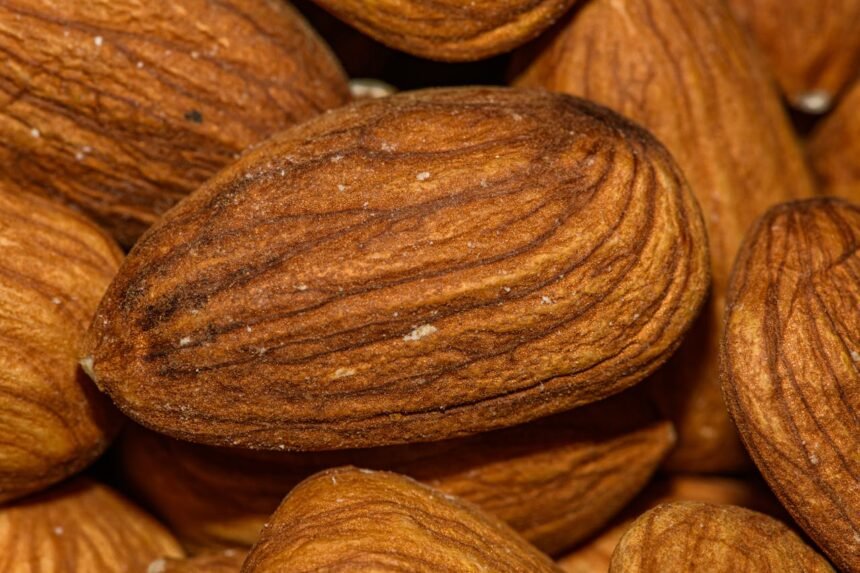
Almonds are widely recognized as one of the most versatile and nutrient-dense tree nuts available. Whether you enjoy them as a convenient snack, a salad topper, or blended into almond butter, they provide a robust profile of healthy fats, fiber, and essential proteins. However, walking down the snack aisle often presents a dilemma: should you choose raw almonds or their roasted counterparts?
The debate between roasted and raw almonds usually centers on taste versus nutrition. Roasted almonds offer a crunchier texture and a more complex, nutty aroma, which many consumers prefer. Conversely, raw almonds are often touted by health enthusiasts as the superior choice, claiming that heat processing destroys vital nutrients and creates harmful byproducts. The truth, however, is nuanced. Both varieties offer significant health benefits, but the chemical changes that occur during roasting can alter their nutritional makeup in specific ways.
This article provides a comprehensive comparison of roasted and raw almonds, diving deep into the scientific research regarding nutrient stability, oxidation, bacterial safety, and the formation of acrylamides, to help you make the most informed decision for your diet.
Quick Facts: Raw vs. Roasted
Before examining the biochemistry, here is a high-level summary of the key differences between these two forms of almonds:
- Caloric Density: Both are high in calories, but oil-roasted almonds may have slightly more calories than raw or dry-roasted ones.
- Nutrient Retention: Raw almonds retain naturally occurring vitamins better than roasted ones, specifically heat-sensitive vitamins like thiamine and vitamin E.
- Fat Structure: High heat can damage the healthy polyunsaturated fats in almonds, leading to oxidation.
- Food Safety: Raw almonds carry a slightly higher risk of bacterial contamination (like Salmonella), though most commercial “raw” almonds are pasteurized.
- Chemical Byproducts: Roasting can form acrylamide, a potential carcinogen, though levels in almonds are generally lower than in starchy foods.
Nutritional Breakdown and Similarities
At a macroscopic level, raw and roasted almonds are remarkably similar. Both provide an impressive array of nutrients that support heart health and metabolic function. According to data from the USDA FoodData Central, a standard one-ounce serving (approx. 28 grams) of almonds contains roughly:
- Calories: 160–170
- Fat: 14–15 grams
- Protein: 6 grams
- Carbohydrates: 6 grams
- Fiber: 3 grams
However, the roasting process affects the moisture content. Roasted almonds lose water weight, becoming lighter and crunchier. Consequently, the fat content per gram is slightly higher in roasted almonds simply because they are more concentrated. While the macronutrient variance is negligible for most diets, those strictly monitoring their weight management goals might prefer raw almonds to avoid the potential for added oils used in commercial roasting processes.
The Impact of Roasting on Healthy Fats
Almonds are rich in monounsaturated and polyunsaturated fats. These fats are celebrated for their ability to lower LDL (bad) cholesterol and reduce the risk of heart disease. However, polyunsaturated fats are notoriously unstable when exposed to high heat.
Lipid Oxidation and Rancidity
When almonds are roasted, especially at high temperatures or for extended periods, their fats can undergo oxidation. This chemical reaction occurs when fats react with oxygen, leading to the formation of free radicals and lipid peroxides. These compounds can damage cells and contribute to systemic inflammation within the body.
Research indicates that the structural integrity of the almond cell wall plays a protective role. In raw almonds, the fats are safely encapsulated within the cell structure. Roasting can compromise this structure, exposing the oils to oxygen. One study published in the National Institutes of Health (NIH) database found that the higher the roasting temperature, the greater the formation of trans fats and peroxidative values, which indicate rancidity. This is why roasted nuts often have a shorter shelf life than their raw counterparts.
Vitamin Stability: What Gets Lost in the Heat?
Vitamins vary in their heat stability. While minerals like magnesium and potassium are generally heat-resistant, certain vitamins degrade when cooked. Almonds are one of the best dietary sources of Vitamin E (alpha-tocopherol), a potent antioxidant that protects your cells from oxidative stress. If you are looking for antioxidant-rich foods, preserving Vitamin E is crucial.
Studies suggest that roasting almonds can degrade their Vitamin E content, though the extent depends heavily on the roasting method. Dry roasting tends to preserve more Vitamin E than oil roasting. Furthermore, thiamine (Vitamin B1) is highly heat-sensitive and decreases significantly during the roasting process. While almonds are not a primary source of B vitamins compared to grains, every bit counts towards a balanced diet.
However, it is worth noting that the losses are not catastrophic. Even roasted almonds remain a “good” source of these nutrients, but raw almonds remain the gold standard for maximum micronutrient retention.
The Formation of Acrylamide
One of the primary concerns regarding roasted nuts is the formation of acrylamide. Acrylamide is a chemical compound that forms in certain foods during high-temperature cooking processes, such as frying, roasting, and baking. This occurs through the Maillard reaction, a chemical interaction between sugars and an amino acid called asparagine, which is responsible for the browned color and savory flavor of roasted foods.
Is Acrylamide Dangerous?
Animal studies have linked high-dose acrylamide exposure to an increased risk of cancer, leading agencies like the European Food Safety Authority (EFSA) to consider it a potential health concern for humans. Almonds contain significant amounts of free asparagine, making them susceptible to acrylamide formation when roasted.
However, the temperature is the deciding factor. Research shows that acrylamide starts to form at temperatures above 248°F (120°C). Dark-roasted almonds typically contain significantly higher levels of acrylamide than light-roasted varieties. To minimize this risk while still enjoying roasted flavor, you might consider roasting your own almonds at home at a lower temperature (around 285°F or 140°C) rather than buying industrial versions, which are often roasted at much higher heats for speed.
Food Safety: Bacteria and Pasteurization
While raw almonds win on nutrient preservation, they present a challenge regarding food safety. Raw nuts grow in soil and can pick up harmful bacteria such as Salmonella and E. coli. There have been several documented outbreaks of Salmonella traced back to raw almonds, prompting swift action from health agencies.
According to the Centers for Disease Control and Prevention (CDC), these outbreaks can be severe, posing risks particularly to children, the elderly, and those with compromised immune systems. Because of this, the USDA mandated that all almonds sold in the United States (grown in California) must undergo pasteurization.
The “Raw” Label Loophole
It is important to understand that the almonds you buy in the grocery store labeled “raw” are likely not truly raw in the botanical sense. They have almost certainly been pasteurized. There are two main methods for this:
- Steam Processing: A short burst of steam treats the surface of the nut. This is common for organic almonds.
- Propylene Oxide (PPO) Treatment: A chemical fumigation method used for conventional almonds. PPO is considered safe by the FDA, but it is banned in some other countries and strictly regulated.
For those prioritizing gut health and avoiding chemical residues, looking for steam-pasteurized almonds is often the preferred route.
Digestibility and Phytic Acid
Another factor to consider is digestibility. Raw almonds contain phytic acid (phytates) and enzyme inhibitors. Phytic acid is often referred to as an “antinutrient” because it can bind to minerals like iron, zinc, and calcium, preventing their absorption in the digestive tract. This can be a concern for individuals relying on plant-based diets for their mineral intake.
Roasting can degrade some of the phytic acid, potentially making the minerals slightly more bioavailable. Additionally, the texture of roasted almonds is more brittle, which allows for easier mechanical breakdown (chewing). Thorough chewing is essential for releasing the fats and nutrients from the almond cell walls; otherwise, large particles may pass through the digestive system unabsorbed. If you struggle with digestion, incorporating easier-to-digest protein sources or soaking raw almonds (sprouting) might be a better strategy than roasting.
Oil Roasting vs. Dry Roasting
Not all roasted almonds are created equal. The distinction lies in whether they are dry-roasted or roasted in oil. Dry roasting uses only hot air and the nut’s natural oils. Oil roasting involves submerging the nuts in vegetable oils—often highly processed oils like soybean, canola, or sunflower oil.
Oil roasting adds unnecessary calories and introduces Omega-6 fatty acids, which, when consumed in excess relative to Omega-3s, can be pro-inflammatory. Furthermore, the stability of the roasting oil matters. If the industrial oil is reused and heated repeatedly, it can introduce trans fats and oxidation products into the almonds. Always check the ingredient label; if you see “cottonseed oil” or “partially hydrogenated oil,” it is best to leave that package on the shelf.
How to Select and Store Your Almonds
Whether you choose raw or roasted, proper storage is critical to maintaining nutritional value and taste. Because of their high fat content, almonds can go rancid if exposed to heat, light, and air.
- Raw Almonds: Can be stored in a cool, dark pantry for up to two years, though the refrigerator is better for freshness.
- Roasted Almonds: Have a shorter shelf life due to the compromised cell structure. They should be consumed within a few months or stored in an airtight container in the fridge.
For the freshest option, consider buying raw almonds and roasting them yourself at home. This allows you to control the temperature (keeping it below 285°F to minimize acrylamide) and ensures no low-quality oils are added. You can simply spread them on a baking sheet and bake for 10–15 minutes, shaking the pan occasionally.
The Bottom Line
So, which is more nutritious: raw or roasted almonds? The answer depends on your specific health priorities.
Raw almonds are chemically superior. They contain naturally intact healthy fats, higher levels of Vitamin E, and no acrylamides. However, you must ensure they are sourced safely to avoid bacterial risks.
Roasted almonds offer better flavor, texture, and digestibility for some, but they come with the trade-off of slight nutrient loss and potential oxidation of fats. The formation of acrylamide is a concern, but typically not a major one if the nuts are not burnt.
Ultimately, both raw and dry-roasted almonds are incredibly healthy foods. The American Heart Association and the Mayo Clinic consistently recommend nuts as part of a heart-healthy diet. The best almond is the one you will actually eat and enjoy, as consistency is key to reaping their benefits. For a balanced approach, try keeping raw almonds on hand for daily snacking and using roasted almonds sparingly for flavor in salads or cooking.
By understanding these nuances, you can enjoy the crunch of almonds while maximizing the nutrient density of your diet.