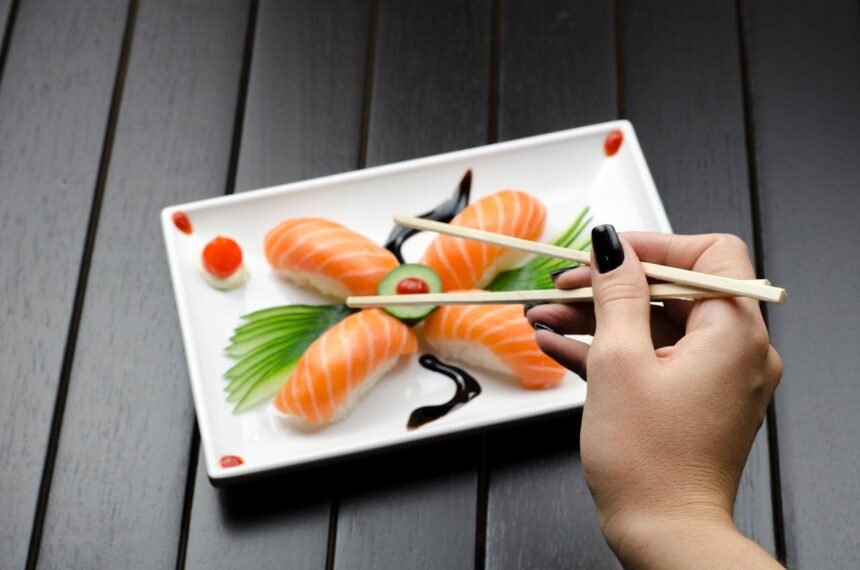
Seafood is widely recognized as a cornerstone of a healthy diet, particularly for those following heart-healthy eating plans like the Mediterranean Diet. Among the vast array of options available at the grocery store, salmon and tuna stand out as the two most popular choices worldwide. Both are readily available, versatile in the kitchen, and packed with essential nutrients. However, when you are trying to optimize your nutrition, you might find yourself asking: Which is healthier?
While both fish offer impressive health benefits, their nutritional profiles differ significantly, particularly regarding fat content, calorie count, and potential toxin exposure. Understanding these differences can help you make the best choice for your specific health goals.
Quick Facts: Salmon vs. Tuna
- Fat Content: Salmon is an oily fish rich in healthy fats, while tuna is much leaner.
- Protein: Both are excellent sources of high-quality protein, though tuna has a higher protein-to-calorie ratio.
- Omega-3s: Salmon generally contains significantly higher levels of heart-healthy omega-3 fatty acids compared to tuna.
- Mercury: Tuna carries a higher risk of mercury contamination, whereas salmon is generally considered low-mercury.
- Culinary Use: Tuna is often preferred for quick salads and sandwiches (canned) or seared steaks, while salmon is popular baked, grilled, or smoked.
Nutritional Comparison
To truly understand the differences, we must look at the data. While the exact numbers vary depending on the species (e.g., wild Sockeye vs. farmed Atlantic salmon, or Albacore vs. Skipjack tuna), general trends remain consistent.
Salmon: The Oily Powerhouse
Salmon is classified as a fatty fish. A 3-ounce serving of cooked salmon provides roughly 175 calories, 10 grams of fat, and 19 grams of protein. Its primary claim to fame is its incredibly high concentration of long-chain omega-3 fatty acids, specifically EPA and DHA. According to the USDA FoodData Central, farmed Atlantic salmon is particularly energy-dense due to its higher fat content.
Tuna: The Lean Protein
Tuna is a lean fish. A similar 3-ounce serving of cooked yellowfin tuna might contain only about 110 calories, less than 1 gram of fat, and an impressive 25 grams of protein. This makes tuna a favorite among bodybuilders and those seeking high-protein foods without the extra calories.
The Omega-3 Factor
One of the most critical differences between these two fish is their fat composition. Omega-3 fatty acids are essential fats that your body cannot produce on its own. They are renowned for their ability to lower blood pressure, reduce triglycerides, and decrease the risk of arrhythmias.
Because salmon is a fatty fish, it is one of the best dietary sources of these nutrients. The National Institutes of Health (NIH) highlights that fatty fish like salmon provide substantial amounts of EPA and DHA, which are crucial for brain health and fetal development. While tuna does contain omega-3s, you would need to eat a significantly larger portion to get the same amount found in a standard serving of salmon. For those looking to maximize the benefits of omega-3s, salmon is the clear winner.
Micronutrients: Vitamins and Minerals
Beyond macros, both fish are loaded with essential vitamins and minerals.
Vitamin D
Vitamin D is notoriously difficult to get from food sources alone, leading to widespread issues with Vitamin D deficiency. Salmon is one of the few natural food sources rich in Vitamin D, which is vital for bone health and immune function. Tuna contains Vitamin D, but usually in smaller amounts compared to salmon.
Selenium and B Vitamins
Both fish are excellent sources of selenium, a trace mineral that acts as a powerful antioxidant. According to research published in PubMed, selenium plays a key role in DNA synthesis and thyroid hormone metabolism. Additionally, both salmon and tuna are packed with Vitamin B12, niacin (B3), and Vitamin B6, which help convert food into energy.
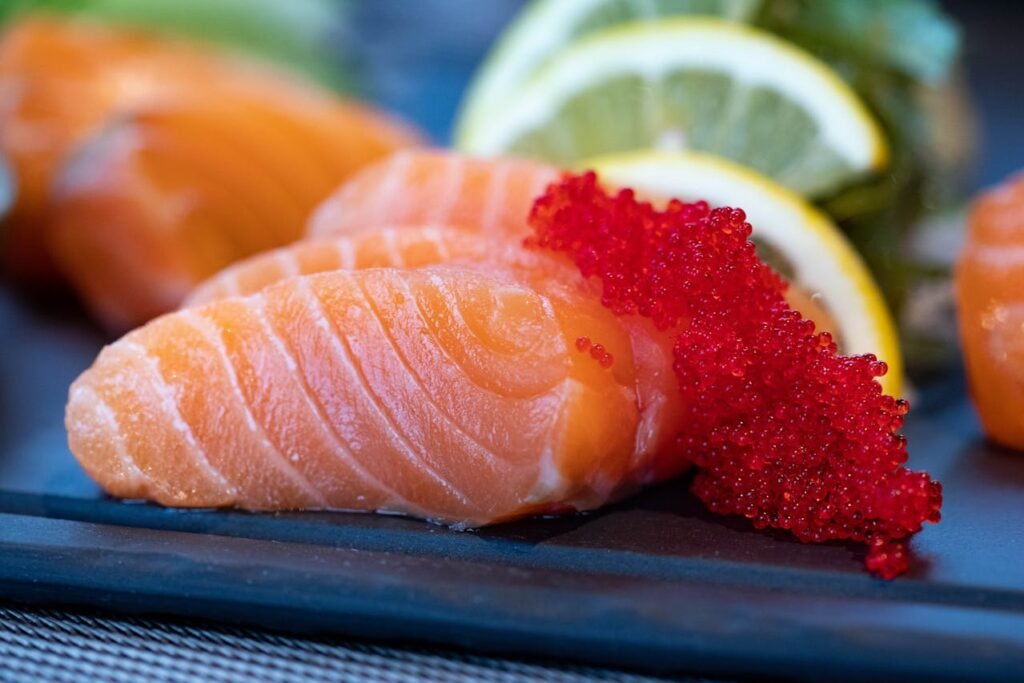
Potential Risks: Mercury and Contaminants
When discussing seafood, the conversation inevitably turns to heavy metals. This is perhaps the most significant differentiator when deciding how often to consume these fish.
Tuna and Mercury Levels
Tuna is a large, predatory fish. Because they sit higher on the food chain, they accumulate more methylmercury in their tissues over time. The FDA monitors mercury levels closely, noting that larger species like Bigeye and Albacore (often found in “white” canned tuna) have higher mercury levels than smaller species like Skipjack (often found in “light” canned tuna).
High exposure to mercury can be neurotoxic. Consequently, vulnerable populations should be cautious. We have a detailed guide on eating fish during pregnancy that outlines which species are safe. Generally, pregnant women and young children are advised to limit Albacore tuna consumption.
Salmon and PCBs
Salmon is generally low in mercury. However, there has been some concern regarding farmed salmon and polychlorinated biphenyls (PCBs) or other contaminants found in feed. Fortunately, regulations have tightened significantly. The Harvard T.H. Chan School of Public Health notes that the benefits of eating fish—even farmed salmon—usually far outweigh the potential risks from contaminants.
Cardiovascular Health and Inflammation
The American Heart Association (AHA) recommends eating fish at least twice a week to support cardiovascular health. Because of its high omega-3 content, salmon is particularly effective at fighting inflammation. Chronic inflammation is a root cause of many modern diseases, and recognizing the signs of inflammation early can help you adjust your diet accordingly.
Tuna is also heart-healthy, primarily because it serves as a low-saturated-fat substitute for red meat. By swapping a steak for a tuna steak, you reduce your intake of harmful saturated fats while maintaining protein intake.
Weight Management
If your primary goal is weight loss, the math of calories in vs. calories out matters. Here, tuna has an advantage. It is incredibly satiating due to its high protein content but carries significantly fewer calories than salmon. For a quick, low-calorie lunch that keeps you full, water-packed tuna is a staple.
However, if you are following a low-carb or ketogenic lifestyle, salmon is the superior choice. The healthy fats in salmon help keep you in ketosis and provide sustained energy. For more on this, check out our guide to the keto diet.
Sustainability and Cost
Environmental impact is a growing concern for many consumers.
- Tuna: Many tuna stocks are overfished. Look for labels like “pole-and-line caught” or check the Monterey Bay Aquarium Seafood Watch to find sustainable options.
- Salmon: Wild-caught salmon is often seasonal and expensive, while farmed salmon is available year-round. While aquaculture has had a bad reputation in the past, sustainable farming practices are improving.
From a budget perspective, canned tuna is one of the most affordable proteins available, making it excellent for budget-friendly meal prep. Fresh salmon, especially wild-caught, can be pricey, though canned salmon offers a cost-effective alternative with similar nutritional benefits.
How to Add Them to Your Diet
Both fish are incredibly versatile. Here are a few ideas:
- Salmon: Bake with lemon and dill, grill on a cedar plank, or add smoked salmon to your morning eggs.
- Tuna: Mix canned tuna with Greek yogurt for a healthy salad, sear a fresh tuna steak with sesame seeds, or add it to a Niçoise salad.
Always practice proper food safety when handling raw fish, as outlined by the Mayo Clinic, especially if preparing sushi or sashimi at home. Looking for inspiration? Browse our collection of healthy dinner ideas.
The Bottom Line
So, which is healthier: salmon or tuna?
The answer depends on your specific health needs:
- Choose Salmon if: You want to boost your omega-3 intake, improve heart health, increase Vitamin D levels, or are on a keto diet. It is also the safer choice for pregnant women regarding mercury.
- Choose Tuna if: You are looking for a low-calorie, high-protein food to support weight loss, or if you need a convenient and budget-friendly protein source.
According to the EPA and global health guidelines, variety is key. The healthiest approach is likely to include both in your diet—enjoying salmon for its healthy fats and tuna for its lean protein—while keeping an eye on mercury intake with tuna.
Ultimately, both salmon and tuna are nutritional powerhouses that offer significant advantages over processed meats and other protein sources.