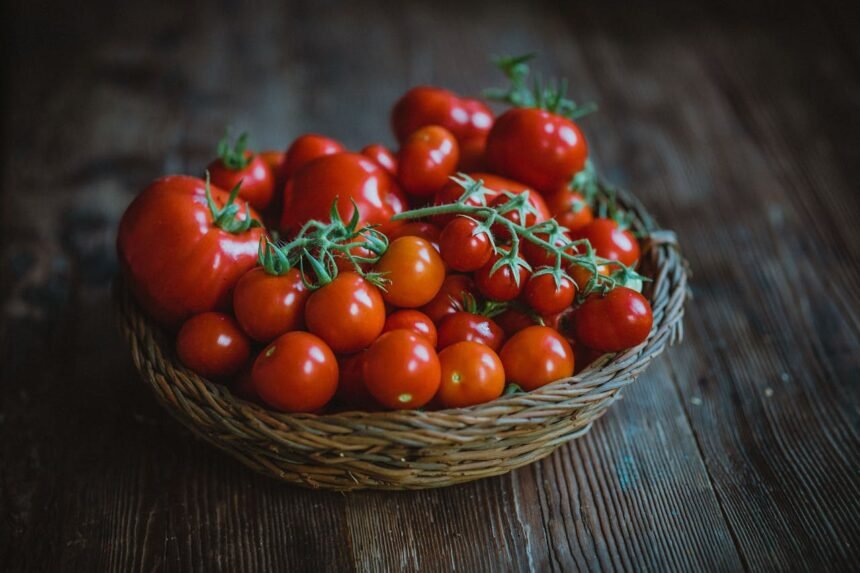
You have just returned from the weekly shop, laden with vibrant red tomatoes intended for salads, sauces, and sandwiches. As you unpack, a familiar hesitation strikes: do these belong in the fruit bowl on the counter, or should they go straight into the fridge? It is a kitchen dilemma that divides households and confuses home cooks globally. While it may seem like a trivial decision, the storage method you choose has a profound impact on the texture, flavour, and longevity of your produce.
Many of us instinctively refrigerate fresh produce to halt decay, assuming colder is always better. However, tomatoes are a unique botanical fruit with complex biological needs. Making the wrong choice can turn a juicy, aromatic delight into a mealy, tasteless disappointment. Understanding the science behind tomato ripening and cell structure is key to unlocking the best culinary experience. This article provides a definitive, evidence-based answer to the storage debate, ensuring you get the most out of your ingredients.
Overview
To understand proper storage, we must first appreciate what a tomato actually is. Botanically classified as a fruit, the tomato is a warm-weather crop that thrives in sunlight. Unlike hearty root vegetables or leafy greens that tolerate cold well, tomatoes are sensitive to low temperatures.
For decades, culinary experts and chefs have advised against refrigeration. The general consensus suggests that cold air destroys the distinctive “garden-fresh” quality that makes tomatoes so appealing. However, recent insights and practical food safety considerations have added nuance to this rule. It is no longer a simple binary choice; rather, the decision depends heavily on the ripeness of the fruit and your intended usage timeline.
Following the NHS guidance on fruit and vegetables is essential for a balanced diet, and ensuring your produce remains palatable is the best way to maintain that intake. If your tomatoes become unappetising due to poor storage, they are more likely to end up in the bin than on your plate. Therefore, mastering storage is not just about flavour—it is about reducing waste and sustaining healthy eating habits.
Symptoms and Causes of Quality Loss
When we discuss “bad” storage, we are primarily looking at two main symptoms of quality loss: texture degradation and flavour suppression. Understanding the biological causes behind these changes helps explain why the fridge is often the enemy of the fresh tomato.
Chilling Injury and Mealy Texture
Tomatoes are susceptible to a phenomenon known as chilling injury. When held at temperatures below 12°C (53.6°F), the cell membranes within the fruit begin to break down. This damage disrupts the structural integrity of the flesh.
Instead of maintaining a crisp yet juicy consistency, the breakdown of these membranes causes the water inside the cells to expand and rupture microscopic structures. The result is a texture often described as “mealy,” “woolly,” or mushy. This physical change is irreversible; once the cell structure is damaged by the cold, no amount of warming up will return the tomato to its original snap.
The Science of Flavour Loss
The second symptom is a distinct lack of taste. A tomato’s flavour is a complex interplay of sugars, acids, and volatile organic compounds. Research has shown that cold temperatures suppress the genes responsible for producing these flavour volatiles.
According to a study highlighted by Proceedings of the National Academy of Sciences, chilling tomatoes for as little as seven days can significantly reduce the activity of enzymes that produce characteristic aromas. Specifically, the production of crucial volatiles like Z-3-hexenal is halted. Without these aromatic compounds, a tomato tastes merely sour or watery, lacking the rich, savoury sweetness associated with the fruit.
Enzymatic Activity
Tomatoes continue to respire and ripen after being harvested. They are climacteric fruits, meaning they respond to ethylene gas. At room temperature, enzymatic activity continues, allowing the development of deeper colours and richer flavours. Refrigeration essentially puts these enzymes into a coma, halting the ripening process prematurely. If you refrigerate an under-ripe tomato, it will remain green and hard, never reaching its full potential.
Diagnosis and Treatment: When to Refrigerate
While the general rule is to avoid the cold, there are specific “diagnoses” where the fridge is actually the superior treatment. Knowing when to deviate from the standard advice is crucial for food safety and waste reduction.
Scenario 1: Fully Ripe Tomatoes
If your tomatoes are deep red, slightly soft to the touch, and aromatic, they are at peak ripeness. If you cannot eat them immediately, leaving them on the counter will lead to over-ripening, mould, and fruit flies within a day or two.
In this specific case, the fridge acts as a pause button. While you may sacrifice a small amount of flavour, you preserve the edible life of the fruit. This is a preferable trade-off to letting them rot. Organisations like Love Food Hate Waste advocate for using your fridge smartly to prevent good food from ending up in landfill.
Scenario 2: Cut or Sliced Tomatoes
Once a tomato has been sliced, the protective skin is breached. The exposed flesh is a breeding ground for bacteria. For safety reasons, cut tomatoes must always be stored in the fridge.
According to the Food Standards Agency, chilling food properly is a critical defence against food poisoning. You should store cut tomatoes in an airtight container at 5°C or below and consume them within 24 to 48 hours. Never leave cut tomatoes at room temperature for more than two hours.
Scenario 3: Extreme Heat
If your kitchen gets particularly hot during the summer—exceeding 25°C—tomatoes stored on the counter will spoil rapidly. In these conditions, the refrigerator is the lesser of two evils. The benefits of keeping the fruit from spoiling outweigh the potential texture loss.

Tips for Management and Storage
To maximise the lifespan and enjoyment of your tomatoes, adopt these management strategies. These tips bridge the gap between scientific theory and practical kitchen application.
The “Stem-Down” Method
Store your tomatoes stem-side down (upside down) on a flat surface. The scar where the stem was attached is the primary entry point for air and bacteria, and the main exit point for moisture. By blocking this area, you reduce water loss and prevent mould from entering the fruit. This simple orientation change can extend freshness by several days.
Reviving Cold Tomatoes
If you must store whole tomatoes in the fridge to extend their life, do not eat them cold. Remove them from the refrigerator at least 30 minutes to an hour before serving.
Allowing the fruit to return to room temperature helps “wake up” some of the flavour volatiles that were suppressed by the cold. While it won’t fix mealy texture, it will significantly improve the taste profile. Culinary experts at BBC Good Food often recommend this technique for salads and raw dishes.
Ripening Green Tomatoes
Never refrigerate green or unripe tomatoes. To speed up ripening, place them in a paper bag with a banana or apple. These fruits emit high levels of ethylene gas, which triggers the ripening process in the tomatoes. Once they are fully red, you can then move them to a cooler spot or the fridge if necessary.
Nutritional Considerations
Regardless of storage, tomatoes are a nutritional powerhouse. They are rich in lycopene, an antioxidant linked to numerous health benefits. For more information on the benefits of lycopene, you can read this detailed guide on Healthline. Preserving the fruit correctly ensures you are more likely to enjoy eating it, thereby reaping these heart-healthy rewards supported by the British Heart Foundation.
Summary Data Table
The following table summarises the optimal storage locations based on the condition of the tomato.
| State of Tomato | Recommended Location | Notes on Storage |
|---|---|---|
| Unripe / Green | Countertop | Keep out of direct sunlight. Use a paper bag to hasten ripening. Never refrigerate. |
| Peak Ripeness | Countertop | Best consumed within 1-2 days. Keep stem-side down. |
| Over-Ripe | Fridge | The cold halts rotting. Use for cooking rather than salads. |
| Sliced / Cut | Fridge | Mandatory for safety. Use airtight container. Consume within 48 hours. |
| Cherry Tomatoes | Countertop | These are robust but dry out quickly; ensure good airflow. |
Frequently Asked Questions
Can I freeze fresh tomatoes?
Yes, but only for cooking. Freezing completely destroys the cellular structure, resulting in a mushy texture upon thawing. Wash them, remove the stems, and freeze them whole or chopped. They are perfect for stews, soups, and sauces. Scientific insights from UC Davis Postharvest Technology confirm that while texture suffers, nutritional value remains relatively stable in frozen produce.
Do tomatoes need to be washed before storage?
It is best to wash tomatoes right before you eat or cook them. Washing them before storage adds excess moisture, which can encourage the growth of mould and bacteria. If you buy them in plastic packaging, remove them to allow the fruit to breathe.
Why do supermarket tomatoes taste bland?
Commercial tomatoes are often bred for durability rather than flavour and are frequently harvested green to survive transport. They are then artificially ripened with ethylene gas and often refrigerated during transit. This entire supply chain process can suppress the natural sugar development found in garden-grown varieties. Consumer groups like Which? often compare supermarket varieties, noting that “vine-ripened” options usually offer better flavour.
Is it safe to eat a tomato with wrinkled skin?
Wrinkled skin indicates moisture loss. The tomato is likely safe to eat if there is no mould, strange smell, or slimy texture. However, the texture will be poor for raw eating. These are excellent candidates for roasting or making into a pasta sauce, reducing food waste.
The bottom line
The definitive answer to “should you store tomatoes in the fridge” is a nuanced no, but with exceptions.
For the best flavour and texture, keep whole, unripe, or just-ripe tomatoes on the counter at room temperature, away from direct sunlight. The cold environment of a fridge damages cell membranes and neutralises flavour compounds, leading to a disappointing eating experience.
However, the fridge is a useful tool for extending the life of fully ripe tomatoes that you cannot eat immediately, and it is mandatory for any tomato that has been cut or sliced. By assessing the ripeness of your produce and planning your meals, you can enjoy the full, vibrant profile of this versatile fruit while minimising waste. Prioritise room temperature storage for quality, but do not fear the fridge when safety or longevity is the priority.