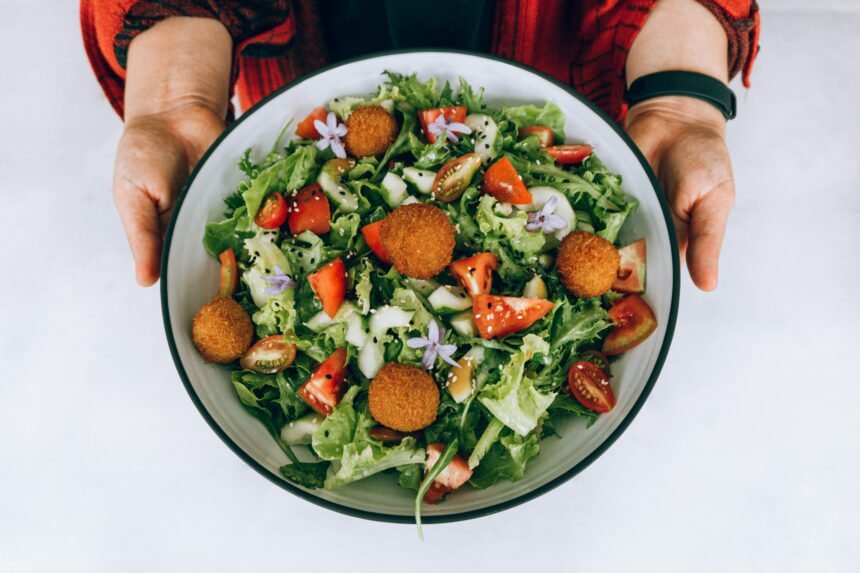
Mustard greens are a popular cruciferous vegetable, celebrated for their sharp, peppery flavour and impressive nutritional profile. Often found in Asian, African, and Southern American cuisines, they are packed with vitamins A, C, and K, as well as powerful antioxidants.
However, despite their status as a nutrient-dense superfood, consuming them is not without potential risks for certain individuals. While generally safe for the vast majority of the population when eaten in moderation, high intakes can interact with medications or exacerbate specific health conditions.
Whether you are managing a chronic condition or simply looking to optimise your diet, understanding the potential mustard greens side effects is essential for making informed dietary choices.
This article explores the potential downsides of mustard greens, the science behind these reactions, and practical tips on how to enjoy them safely.
Overview: The Dual Nature of Cruciferous Vegetables
Like their cousins kale, broccoli, and Brussels sprouts, mustard greens belong to the Brassica genus. They are lauded for their high fibre content and cancer-fighting compounds known as glucosinolates.
Yet, the very compounds that provide health benefits can act as “anti-nutrients” in specific contexts. Anti-nutrients are natural plant compounds that can interfere with the absorption of essential nutrients or disrupt bodily functions when consumed in large quantities.
For most healthy adults, the body’s detoxification pathways handle these compounds efficiently. However, if you have compromised kidney function, thyroid issues, or are on blood-thinning medication, caution is advised.
Major Causes and Factors of Side Effects
The adverse effects of mustard greens are primarily linked to three key components found within the plant’s cellular structure:
- Vitamin K: A crucial nutrient for blood clotting.
- Oxalates: Organic acids that can bind to calcium.
- Goitrogens: Compounds that may interfere with thyroid function.
Below, we delve into how these factors influence your health.
1. Vitamin K and Blood Thinners
Mustard greens are among the richest sources of Vitamin K1 (phylloquinone). While this is excellent for bone health and wound healing, it presents a significant challenge for individuals taking anticoagulants, such as warfarin (Coumadin).
Warfarin works by inhibiting the enzyme responsible for activating Vitamin K, thereby slowing the blood clotting process. Because mustard greens provide a massive influx of Vitamin K—a single cooked cup can provide over 500% of the daily recommended value—sudden increases in consumption can counteract the medication.
This interaction can decrease the effectiveness of the drug, increasing the risk of blood clots, strokes, or heart attacks. It is not necessarily about avoiding green leafy vegetables entirely, but rather about maintaining a consistent intake so your dosage can be calibrated correctly.
According to the National Institutes of Health (NIH), sudden fluctuations in Vitamin K intake are the primary concern for warfarin management.
2. Oxalates and Kidney Stones
Mustard greens contain measurable levels of oxalates. When you consume oxalates, they bind with calcium in your digestive tract to form calcium oxalate. Ideally, this compound is excreted via stool.
However, in some individuals, particularly those prone to nephrolithiasis (kidney stones), high amounts of oxalates can be absorbed into the bloodstream and eventually filtered by the kidneys. Here, they can crystallise and form stones.
The National Kidney Foundation notes that calcium oxalate stones are the most common type of kidney stone. While mustard greens are not as high in oxalates as spinach or beet greens, they are still considered a moderate-to-high source. Consuming them raw in large quantities (such as in daily green smoothies) significantly increases the oxalate load on the kidneys.
3. Goitrogens and Thyroid Health
Glucosinolates, the sulphur-containing compounds responsible for the bitter taste of mustard greens, break down into active byproducts like isothiocyanates and thiocyanates. Some of these byproducts acts as goitrogens.
Goitrogens can interfere with the thyroid gland’s uptake of iodine, a mineral essential for producing thyroid hormones. In severe cases or in the presence of an iodine deficiency, this can lead to:
- Hypothyroidism: A condition where the thyroid is underactive.
- Goitre: An enlargement of the thyroid gland.
Evidence from the British Thyroid Foundation suggests that for people with normal thyroid function and adequate iodine intake, eating cruciferous vegetables is rarely an issue. However, those with subclinical hypothyroidism should monitor their intake of raw mustard greens.

Other Potential Side Effects
Digestive Discomfort
Like many cruciferous vegetables, mustard greens are high in insoluble fibre and distinct carbohydrates like raffinose. The human gut lacks the enzyme to break down raffinose in the small intestine. Consequently, it passes undigested into the large intestine, where bacteria ferment it.
This fermentation process produces gas, potentially leading to:
- Bloating
- Abdominal cramping
- Flatulence
Heavy Metal Accumulation
Mustard greens are known as “hyperaccumulators.” This means they are exceptionally good at absorbing heavy metals, such as cadmium and lead, from the soil. While this makes them useful for phytoremediation (cleaning up polluted soil), it poses a risk to the consumer if the greens are grown in contaminated environments.
Sourcing organic or hydroponically grown greens can mitigate this risk, as noted in agricultural studies on heavy metal uptake.
Treatment and Management Strategies
If you enjoy mustard greens but are concerned about these side effects, you do not necessarily need to eliminate them from your diet. Management strategies focus on preparation methods and moderation.
Cooking Reduces Risks
Preparation significantly alters the chemical profile of mustard greens. Cooking methods such as boiling and steaming are highly effective at reducing anti-nutrients.
| Preparation Method | Effect on Oxalates | Effect on Goitrogens | Nutrient Retention |
|---|---|---|---|
| Raw | No reduction | Maximum potency | High Vitamin C retention |
| Steaming | 5–15% reduction | Significant reduction | Excellent retention |
| Boiling | 30–87% reduction | Highly reduced | Leaches water-soluble vitamins |
Boiling is the most effective method for reducing oxalates because the compounds leach into the water. However, you must discard the cooking water to receive this benefit. Research supports that boiling can significantly lower oxalate levels, making the greens safer for those prone to stones.
Medication Management
For those on blood thinners like warfarin, communication with your healthcare provider is paramount. You might be advised to:
- Maintain Consistency: Eat the same amount of Vitamin K-rich foods daily so your medication dosage remains stable.
- Regular Testing: Frequent monitoring of your INR (International Normalised Ratio) levels to ensure your blood clotting time is within the target range.
Authoritative guidance from the Mayo Clinic emphasizes that stability, rather than avoidance, is the key to dietary management with anticoagulants.
Practical Tips for Safe Consumption
To maximise the benefits of mustard greens while minimising the mustard greens side effects, consider adopting the following habits:
- Rotate Your Greens: Do not rely solely on mustard greens. Rotate them with lower-oxalate, lower-goitrogen options like romaine lettuce, cucumber, or bok choy.
- Pair with Calcium: Interestingly, eating calcium-rich foods (like cheese or yoghurt) alongside high-oxalate foods can prevent kidney stones. The calcium binds to the oxalate in the stomach before it reaches the kidneys, allowing it to be excreted safely.
- Check Your Soil Source: If you grow your own mustard greens, ensure your soil is tested for lead and other contaminants, especially in urban environments.
- Limit Raw Intake: If you have thyroid concerns, lightly steam your greens before adding them to smoothies or salads. This deactivates the enzyme myrosinase, reducing the goitrogenic potential.
- Hydrate: Drinking plenty of water helps flush the kidneys and aids the digestive system in processing the high fibre content, reducing bloating.
For more information on the nutritional balance of green leafy vegetables, you can visit Healthline’s detailed guide.
Frequently Asked Questions
Can mustard greens cause skin irritation?
Yes, in rare cases. Handling large quantities of raw mustard greens can cause contact dermatitis in sensitive individuals due to the isothiocyanates (mustard oils) released when the leaves are crushed.
Are mustard greens safe during pregnancy?
Generally, yes. They provide essential folate. However, due to the high Vitamin K content, pregnant women should ensure they are not exceeding recommended limits if they are on any specific blood-related therapies. Always consult a GP.
How much is too much?
There is no universal limit, but a standard serving size is roughly one cup of raw greens or half a cup of cooked greens. Consuming multiple servings daily over long periods is where risks of accumulation (oxalates/goitrogens) typically arise.
The Bottom Line
Mustard greens are a nutritional powerhouse, offering potent anti-inflammatory and antioxidant benefits. For the general public, the health advantages of including these greens in a balanced diet far outweigh the risks.
However, mustard greens side effects are a reality for specific groups. Individuals with a history of kidney stones, those on blood-thinning medications like warfarin, and people with compromised thyroid function should exercise caution. By cooking the greens to reduce anti-nutrients and maintaining consistent intake levels, most people can safely enjoy the sharp, tangy kick that mustard greens add to a meal.
As with all dietary changes, it is vital to listen to your body. If you experience digestive distress or have concerns about medication interactions, consult a healthcare professional or a registered dietitian.
Disclaimer: This article is for informational purposes only and does not constitute medical advice. Always consult with a healthcare professional regarding your specific dietary needs.