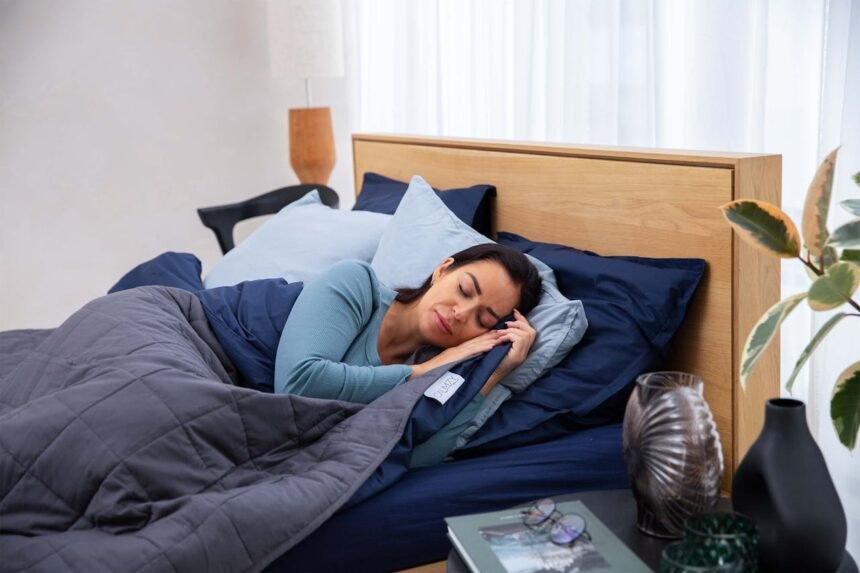
We often treat sleep as a luxury—something we can trade for longer working hours or late-night entertainment. However, quality rest is a fundamental pillar of health, sitting right alongside a balanced diet and regular exercise. If you constantly feel fatigued, irritable, or unable to concentrate, your sleep hygiene—or the very bed you lie on—might be the culprit.
Sleep hygiene refers to the habits, environmental factors, and behaviours that influence the quality of your rest. While routine is essential, the physical foundation of your sleep—your mattress—plays a more critical role than many realise. By optimising your sleep environment and addressing your physical comfort, you can transform your nights from restless to restorative.
In this guide, we will explore the science of sleep hygiene, how to determine if your mattress is sabotaging your health, and practical steps to improve your sleep quality tonight.
What Exactly is Sleep Hygiene?
The term ‘sleep hygiene’ might sound clinical, but it simply describes the daily routines and environment that promote consistent, uninterrupted sleep. Good sleep hygiene is about setting the stage for your brain to recognise that it is time to wind down and recharge.
According to the NHS, most adults need between seven and nine hours of sleep per night. However, it is not just about the duration; it is about the depth and continuity of that sleep. Poor hygiene can lead to fragmented rest, preventing you from cycling through the essential stages of non-REM and REM sleep.
Key components of sleep hygiene include:
- Consistency: Going to bed and waking up at the same time daily.
- Environment: Controlling noise, light, and temperature.
- Stimulants: Managing intake of caffeine and alcohol.
- Comfort: Ensuring your mattress and pillows provide adequate support.
To understand how your body regulates these cycles, it is helpful to learn more about circadian rhythms and how they dictate your internal clock.
The Critical Role of Your Mattress
You cannot build a stable house on a shaky foundation, and you cannot achieve high-quality sleep on a degraded surface. Your mattress is the most significant environmental factor in your bedroom. It is responsible for spinal alignment, temperature regulation, and pressure relief.
A study published in the Journal of Chiropractic Medicine found that replacing an old mattress with a new, medium-firm system resulted in significant improvements in sleep quality and a reduction in back pain. If your mattress is over seven years old, it may have lost its structural integrity, leading to micro-awakenings throughout the night that you might not even remember.
Signs Your Mattress Needs Replacing
It is not always obvious when a mattress has reached the end of its lifespan. Look out for these symptoms:
- Visible Wear: Sagging, lumps, or audible creaking (in sprung mattresses).
- Morning Pain: Waking up with stiffness in the lower back or neck that fades during the day.
- Allergies: An increase in dust mite accumulation can trigger asthma or rhinitis.
- Restlessness: If you sleep better in a hotel than in your own bed, your mattress is likely the issue.
If you are experiencing chronic discomfort, you may need to consult a guide on the best mattresses for back pain to find a solution tailored to your orthopaedic needs.
Choosing the Right Support
The “best” mattress is subjective and depends largely on your sleeping position. In the UK, mattresses are generally categorised by tension (soft, medium, firm) and construction (pocket sprung, memory foam, hybrid, or latex).
- Side Sleepers: Usually require a softer to medium mattress to allow the hips and shoulders to sink in, keeping the spine straight.
- Back Sleepers: Benefit from medium-firm support to support the lumbar region.
- Stomach Sleepers: Often need a firmer surface to prevent the hips from sinking too deep, which can cause lower back strain.
For further reading on how physical comfort impacts health, the The Sleep Charity offers excellent resources on creating the right environment.
Optimising the Bedroom Environment
Once your mattress is sorted, you must look at the room itself. Your bedroom should be a sanctuary dedicated solely to rest and intimacy. The brain forms associations with environments; if you work from bed, your brain will associate that space with stress and alertness.
Temperature Control
The ideal temperature for sleep is cooler than many expect—typically between 16°C and 18°C. Your core body temperature needs to drop slightly to initiate sleep. If a room is too warm, it can block this physiological process.
- Use breathable bedding, such as cotton or bamboo.
- Consider a mattress with cooling gel technologies if you overheat.
- Keep a window slightly open for ventilation if noise levels permit.
Read more about the science of thermoregulation in our article on ideal bedroom temperature.
Lighting and Melatonin
Light is the primary zeitgeber (time-giver) for your biological clock. Exposure to bright light in the evening suppresses the production of melatonin, the hormone that signals to your body that it is time to sleep.
To mitigate this:
- Dim the lights one hour before bed.
- Invest in high-quality blackout curtains or an eye mask.
- Avoid screens. The blue light emitted by phones and tablets mimics daylight.
If you must use devices, learn about blue light filters and glasses that can help minimise the impact.

Establishing a Bedtime Routine
Sleep hygiene is largely about behaviour. You cannot expect to switch from a high-stress work environment to deep sleep instantly. You need a “wind-down” period to transition.
The 10-3-2-1-0 Formula:
- 10 hours before bed: No more caffeine.
- 3 hours before bed: No more food or alcohol.
- 2 hours before bed: No more work.
- 1 hour before bed: No more screen time.
- 0: The number of times you hit the snooze button in the morning.
Engaging in calming activities such as reading a physical book, gentle stretching, or practising mindfulness for sleep can significantly reduce the time it takes to drift off (sleep latency).
Diet, Exercise, and Sleep Quality
What you consume and how you move during the day dictates how you sleep at night. Regular moderate exercise, such as brisk walking or swimming, can help you fall asleep faster and sleep more deeply. However, try to avoid vigorous exercise within two hours of bedtime, as the adrenaline boost may keep you awake.
The Caffeine and Alcohol Trap
Caffeine is a stimulant with a half-life of about five to six hours. This means if you have a coffee at 4 pm, half of that caffeine is still in your system at 9 pm or 10 pm. It is best to switch to herbal teas after midday.
Alcohol is often misunderstood as a sleep aid. While it may help you fall asleep faster due to its sedative effects, it significantly reduces sleep quality. It blocks REM sleep, which is vital for memory consolidation and emotional regulation. The Drinkaware website provides detailed information on how alcohol disrupts sleep cycles.
For better alternatives, check our list of foods that promote sleep.
Anxiety and The Racing Mind
In the UK, stress and anxiety are among the leading causes of insomnia. When you lie down, the distractions of the day fade, and your brain often decides this is the perfect time to process worries. This state of hyperarousal makes sleep nearly impossible.
If you find yourself lying awake for more than 20 minutes, the standard advice is to get up. Lying in bed awake creates a psychological association between the bed and frustration. Go to another room, keep the lights dim, and do something boring until you feel sleepy again.
Techniques such as “worry time”—scheduling a time earlier in the day to write down your stressors—can help clear your mind before bed. Resources from the Mental Health Foundation offer excellent strategies for managing mental health to improve rest.
Mattress Hygiene: Cleaning and Maintenance
Sleep hygiene also involves the literal hygiene of your sleeping surface. A mattress can harbour dust mites, dead skin cells, and sweat, which can impact air quality and trigger allergies.
- Use a Protector: A waterproof mattress protector is essential to shield the core of the mattress from moisture.
- Vacuum Regularly: Vacuum your mattress every month to remove dust and allergens.
- Rotate and Flip: Check the manufacturer’s instructions. Many modern mattresses are “no-turn,” but they still benefit from rotation from head to toe to ensure even wear.
- Air it Out: When you change your sheets, leave the mattress bare with the window open for an hour to let moisture evaporate.
Proper care extends the life of your bed. Learn more about mattress care and maintenance to protect your investment.
When to Seek Professional Help
Sometimes, excellent hygiene and a new mattress are not enough. If you have optimised your routine and environment but still struggle with sleep, you may have an underlying sleep disorder.
Conditions such as sleep apnoea (characterised by snoring and pauses in breathing) or chronic insomnia require medical intervention. If you regularly feel exhausted despite spending enough time in bed, or if you fall asleep involuntarily during the day, you should speak to your GP.
Organisations like the British Snoring & Sleep Apnoea Association and NICE guidelines provide authoritative advice on when clinical treatment is necessary.
The Bottom Line
Sleep hygiene is not a strict set of rules but a lifestyle approach to valuing your rest. It involves a combination of behavioural changes—like setting a routine and managing stress—and environmental optimisations, specifically regarding your mattress and bedroom setup.
Prioritising your sleep is one of the most effective ways to improve your overall physical and mental health. By investing in a supportive mattress and committing to healthy habits, you can ensure that the third of your life spent sleeping truly benefits the two-thirds you spend awake.
Take the first step today: assess your mattress, dim the lights early, and give your body the opportunity to restore itself.
Additional Resources and References
- For in-depth medical studies, visit PubMed.
- Understand the link between heart health and sleep at the British Heart Foundation.
- Learn about safe sleep practices from The Lullaby Trust.
- Read the Royal College of Psychiatrists guide on sleeping well.