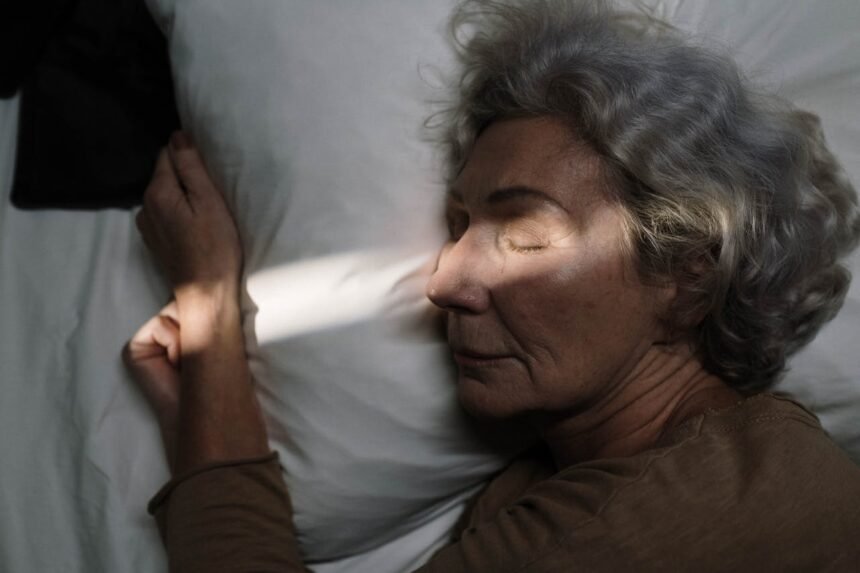
We have all experienced the grogginess that follows a poor night’s sleep. You feel irritable, your focus drifts, and patience wears thin. However, when sleep deprivation becomes chronic, the consequences extend far beyond simply feeling tired. There is a profound, bidirectional relationship between the quality of your sleep and your mental wellbeing.
For decades, doctors viewed insomnia merely as a symptom of mental health conditions like anxiety or depression. Today, we understand that it is a two-way street. Poor sleep can exacerbate mental health challenges, while mental health struggles can severely disrupt your sleeping patterns. Breaking this cycle often requires a dedicated approach to sleep hygiene.
In this guide, we will explore the science behind sleep, how it regulates our emotions, and actionable steps you can take to improve your mental health basics through better rest.
The Science: How Sleep Affects Your Brain
Sleep is not merely a passive state where the body shuts down. It is an active, restorative process essential for brain function. During sleep, your brain cycles through different stages, including Rapid Eye Movement (REM) and non-REM sleep. These stages are crucial for processing emotional memories and regulating neurotransmitters—the chemical messengers in your brain.
When you are sleep-deprived, the brain’s ability to regulate emotions is compromised. Research suggests that a lack of sleep causes the amygdala—the part of the brain responsible for the immediate emotional response—to go into overdrive. Simultaneously, the connection between the amygdala and the prefrontal cortex (the logical, reasoning part of the brain) is weakened.
This biological disconnect explains why minor inconveniences feel like major catastrophes when you are exhausted. According to the NHS, regular poor sleep puts you at risk of serious medical conditions, including obesity, heart disease, and diabetes, alongside shortening your life expectancy.
The Vicious Cycle of Stress and Insomnia
One of the most frustrating aspects of sleep issues is the “vicious cycle.” If you suffer from anxiety, your mind may race the moment your head hits the pillow. You worry about the future, replay the past, or ironically, worry about not sleeping. This state of hyperarousal releases cortisol (the stress hormone), making sleep physically impossible.
Conversely, if you struggle to sleep due to poor habits, you wake up with lower resilience to stress. This makes you more susceptible to developing anxiety or depression over time. Understanding this loop is the first step toward breaking the cycle of stress.
According to Mind, a leading mental health charity, sleep problems are heavily prevalent among people with mental health problems, but treating the sleep issue can often alleviate the symptoms of the mental health disorder.
What Exactly is ‘Sleep Hygiene’?
The term “sleep hygiene” might sound like it involves scrubbing your sheets, but it actually refers to a set of behavioural and environmental practices that are necessary for quality night-time sleep and full daytime alertness. Just as dental hygiene protects your teeth, sleep hygiene protects your physical and mental health.
Good sleep hygiene is about consistency. It involves training your brain to recognise when it is time to wind down and creating an environment that fosters relaxation rather than stimulation. It is a core component of effective self-care strategies.
Signs of Poor Sleep Hygiene
- Taking more than 30 minutes to fall asleep.
- Waking up frequently during the night.
- Feeling sleepy during the day despite spending enough time in bed.
- Relying on caffeine to stay awake or alcohol to fall asleep.
Optimising Your Bedroom Environment
Your bedroom should be a sanctuary reserved for sleep and intimacy. If your room is cluttered, too bright, or too warm, your body will struggle to settle. To create a calm space, you must address the sensory inputs that affect your nervous system.
Temperature and Air Quality
The ideal sleeping temperature is cooler than you might expect, typically around 16-18°C. Your body temperature naturally drops as you prepare for sleep; a cool room facilitates this process. Ensure the room is well-ventilated to prevent stuffiness, which can lead to grogginess in the morning.
Light and Darkness
Light is the primary controller of your circadian rhythm (your internal body clock). Exposure to light suppresses the secretion of melatonin, the hormone that signals to your body that it is time to sleep. Investing in blackout curtains or a high-quality eye mask can be transformative.
The The Sleep Charity emphasises that even small amounts of light from standby buttons on televisions or streetlamps can disturb your sleep cycles.
The Impact of Technology and Blue Light
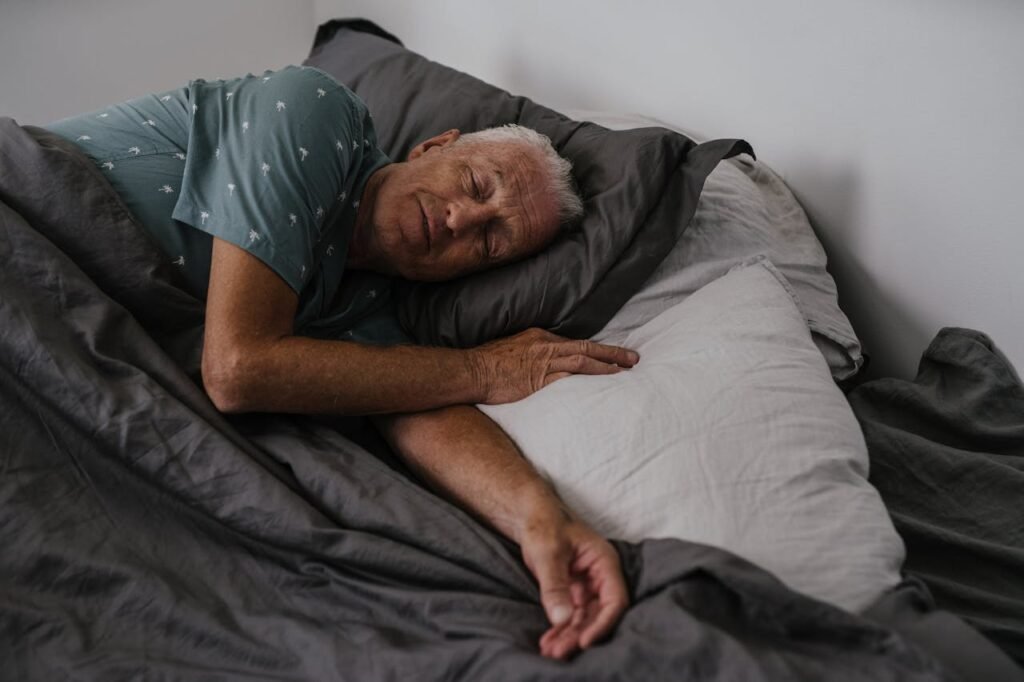
In our modern world, technology is the biggest saboteur of sleep. Smartphones, tablets, and laptops emit blue light, which the brain perceives as daylight. Scrolling through social media or checking emails late at night keeps your brain in a state of alertness.
Furthermore, the content we consume matters. Reading a distressing news article or an annoying work email spikes your adrenaline right before bed. To protect your mental health, it is vital to implement a digital detox at least one hour before sleeping.
Tips for Managing Technology:
- The Golden Hour: Switch off all screens 60 minutes before bed.
- Night Mode: If you must use a device, ensure ‘night mode’ or a blue light filter is active.
- Charge Elsewhere: Charge your phone in the kitchen or hallway, not on your bedside table. This prevents the temptation to “doom-scroll” if you wake up in the night.
Diet, Exercise, and Substances
What you put into your body has a direct impact on how well you sleep. While a glass of wine might seem like it helps you relax, alcohol actually reduces the quality of your sleep. It may help you fall asleep faster, but it blocks REM sleep—the most restorative stage of the cycle—leading to fragmented rest.
Similarly, caffeine is a stimulant that can stay in your system for up to 10 hours. A cup of coffee at 4 pm could still be affecting your ability to drift off at 11 pm. Prioritising nutrition for wellbeing involves being mindful of these timings.
Exercise is generally beneficial for sleep, as it tires the body out physically and reduces anxiety levels. However, vigorous exercise too close to bedtime can raise your core body temperature and adrenaline levels, making it harder to sleep. The British Heart Foundation suggests timing your workouts for earlier in the day to maximise the sleep benefits.
Building a Bedtime Routine
Humans are creatures of habit. By performing the same set of activities every night, you condition your brain to prepare for sleep. This is often referred to as “sleep association.”
Your routine does not need to be complicated. It could include:
- Reading: A physical book (fiction is usually better than non-fiction for relaxation) helps distract the mind from daily worries.
- Warm Bath: A warm bath or shower raises your body temperature; when you step out, the rapid cooling mimics the natural drop in temperature that triggers sleepiness.
- Mindfulness: Practising mindfulness techniques or gentle stretching can lower cortisol levels.
- Journaling: If a busy mind keeps you awake, try “worry time.” Write down your to-do list or worries for the next day to get them out of your head and onto paper.
According to the Mental Health Foundation, relaxation techniques such as progressive muscle relaxation can be particularly effective for those who hold physical tension when stressed.
Cognitive Behavioural Therapy for Insomnia (CBT-I)
If improving your sleep hygiene does not resolve your sleep issues, you may be suffering from chronic insomnia. In the UK, the recommended first-line treatment for chronic insomnia is Cognitive Behavioural Therapy for Insomnia (CBT-I).
Unlike sleeping pills, which offer a temporary fix, CBT-I addresses the underlying thoughts and behaviours that prevent sleep. It helps you challenge the anxiety around sleep loss and reframe negative thought patterns. You can learn more about different therapy options available through the NHS or private practitioners.
Evidence cited by the British Medical Journal (BMJ) indicates that CBT-I is highly effective and has long-lasting benefits for both sleep quality and mental health symptoms.
When to Seek Professional Help
While sleep hygiene is powerful, it is not a cure-all for severe medical or psychiatric conditions. If you have tried optimising your routine and environment but still struggle, it is time to see your GP. Persistent sleep problems can be a symptom of sleep apnoea, restless leg syndrome, or severe clinical depression.
You should consult a professional if:
- Your sleep problems have persisted for more than a month.
- You fall asleep uncontrollably during the day.
- You snore loudly or stop breathing during sleep.
- Your lack of sleep is affecting your ability to function at work or in relationships.
The Royal College of Psychiatrists provides excellent resources for understanding when medical intervention is necessary. Additionally, Patient.info offers symptom checkers that can help you articulate your issues to a doctor.
The Bottom Line
Sleep is the foundation upon which our mental health is built. In our fast-paced society, it is often the first thing we sacrifice, yet it is the most critical component of emotional resilience. By prioritising sleep hygiene—through cooler rooms, darker environments, consistent routines, and reduced technology use—you are actively investing in your mental wellbeing.
Remember, changes to sleep habits take time. Be patient with yourself. If you are struggling, reach out to a professional. You can find guidance on finding the right support to help you navigate these challenges.
For a global perspective on the importance of sleep health, the World Health Organization (WHO) continues to highlight sleep as a pillar of health equal to diet and exercise. Prioritise your rest; your mind will thank you for it.