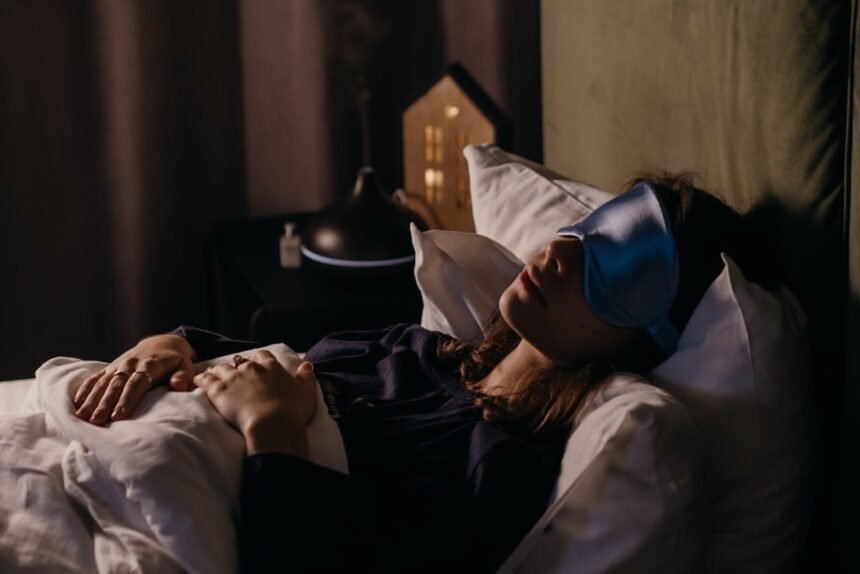
When we think about improving our sleep, we often focus on the obvious factors: a comfortable mattress, limiting caffeine, or reducing screen time. While these are undoubtedly important, one crucial element of sleep hygiene is frequently overlooked: the auditory environment. Noise pollution is a significant disruptor of rest, yet with the right strategies, sound can also be used as a tool to aid relaxation.
Living in a bustling city or a busy household can make silence a luxury. However, achieving high-quality sleep does not always require absolute silence. It requires control over what you hear. This guide explores the intricate relationship between sound and sleep, helping you to understand sleep hygiene in the context of your auditory environment.
Whether you are battling traffic noise, noisy neighbours, or simply a racing mind, understanding how to manage sound is vital for your long-term health and wellbeing. According to the NHS, creating the right environment is one of the first steps to curing sleeplessness.
The Science: How Noise Affects the Sleeping Brain
It is a common misconception that our ears “switch off” when we fall asleep. In reality, the auditory system remains active, acting as a permanent surveillance system. This is an evolutionary survival mechanism; our ancestors needed to be alerted to the sound of a predator approaching, even while resting.
When a noise occurs during the night, the sound waves travel to the brain. Even if the noise does not wake you up fully, it can trigger a physical stress response. Your heart rate may increase, and your blood pressure can rise. This is known as cortical arousal. Frequent arousals prevent you from sinking into the deep, restorative stages of sleep that your body needs to repair itself.
The World Health Organization (WHO) has classified noise from traffic and aircraft as a major environmental health risk. Their guidelines suggest that night-time noise should be kept below certain decibel levels to prevent adverse health effects. You can read more about these environmental guidelines via the WHO Environmental Noise Guidelines.
The Health Risks of Noise Pollution
Chronic exposure to noise during the night does more than just make you grumpy the next morning. Over time, the cumulative effect of fragmented sleep can lead to serious health issues. When your sleep is disturbed, your body produces cortisol, the primary stress hormone. Elevated cortisol levels can lead to a variety of complications.
Potential Health Consequences Include:
- Cardiovascular Issues: Studies have linked long-term exposure to night-time noise with hypertension (high blood pressure) and an increased risk of heart disease.
- Cognitive Impairment: Poor sleep quality affects memory consolidation, concentration, and decision-making skills.
- Mental Health Struggles: There is a strong bidirectional link between stress and sleep. Noise annoyance can exacerbate anxiety and depression.
- Metabolic Changes: Disrupted sleep can affect how your body regulates glucose, potentially increasing the risk of type 2 diabetes.
Research published in the British Medical Journal highlights the significant association between aircraft noise and cardiovascular hospital admissions, underscoring the severity of the issue.
Not All Sound is Bad: The ‘Colours’ of Noise
While erratic noises (like a car door slamming or a dog barking) are disruptive, continuous, consistent sounds can actually be beneficial. This is where the concept of “coloured noise” comes into play. These sounds can mask jarring environmental noises, smoothing out the soundscape of your bedroom.
White Noise
White noise combines all audible frequencies at equal intensity. It sounds like a static radio or a whirring fan. Because it is so dense, it is excellent at masking other sounds. Many people use white noise machines to block out traffic or household chatter.
Pink Noise
Pink noise is often considered more soothing than white noise. It is deeper and has reduced high-frequency intensity. Examples include the sound of steady rain, wind rustling through leaves, or heartbeats. Studies suggest that pink noise may improve deep sleep by synchronising brain waves.
Brown (or Red) Noise
Brown noise is even deeper than pink noise, focusing heavily on the low frequencies. It sounds like a low roar, a distant thunderstorm, or a large waterfall. For those who find white noise too “scratchy,” brown noise can be a comforting alternative.
For a deeper understanding of how sound masking works, the Sleep Foundation offers comprehensive resources on the physics of sound and sleep.
Optimising Your Bedroom for Silence
To prioritise your sleep hygiene, you must assess your physical environment. In the UK, many older houses have single-glazed windows or thin walls, making sound insulation a challenge. However, there are practical steps you can take to dampen the noise intrusion.
Soft Furnishings
Hard surfaces reflect sound, making noises seem louder and harsher. Soft furnishings absorb sound. Consider adding thick, heavy rugs to wooden floors and installing plush curtains. “Blackout” curtains often have thermal linings that provide a modest amount of sound dampening as well.
Furniture Placement
If you share a wall with a noisy neighbour, try placing a large bookshelf filled with books against that wall. The mass of the books and the shelf can act as a buffer, reducing the transmission of sound. You can find more bedroom environment tips in our dedicated guide.
Sealing Gaps
Sound behaves like water; it will find the smallest gap to enter a room. Check your windows and doors. Simple draft excluders or acoustic sealant around window frames can make a surprising difference. For official guidance on noise nuisances and property standards, refer to GOV.UK.
Practical Aids: Earplugs and Tech
Sometimes, structural changes are not enough, or you may be travelling. In these instances, personal sleep aids are essential tools for your sleep hygiene kit.
Choosing the Right Earplugs
Earplugs are the most direct way to reduce noise. However, comfort is subjective.
- Foam Earplugs: Cheap and effective, but can harbour bacteria if not replaced regularly.
- Silicone/Wax: These mould over the ear canal rather than going inside, which can be more comfortable for side sleepers.
- Custom Moulded: Although expensive, these offer the best fit and sound reduction.
When choosing earplugs, ensure they have a high Noise Reduction Rating (NRR) but are comfortable enough to wear all night.
Sleep Headphones
If you prefer listening to a guided meditation or a sleep story, traditional headphones can be bulky and painful. specialised sleep headbands with flat speakers are a great alternative. They allow you to utilise technology like apps for meditation for sleep without physical discomfort.
Organisations like the British Tinnitus Association advocate for the use of sound therapy, which can also be applicable for those suffering from general noise sensitivity.
Managing Anxiety and ‘Noise Sensitivity’
Sometimes, the problem is not the volume of the noise, but our emotional reaction to it. This is known as noise sensitivity or hyperacusis. If you lie in bed waiting for the next sound, your brain enters a state of hyper-vigilance. This anxiety makes it impossible to sleep.
This creates a vicious cycle: you worry about not sleeping, which makes you more sensitive to noise, which prevents you from sleeping. Breaking this cycle often involves Cognitive Behavioural Therapy for Insomnia (CBT-i) techniques. It involves reframing your thoughts about the noise. Instead of thinking, “That noise is ruining my life,” you might practice thinking, “That is just a car passing; it cannot hurt me.”
If you struggle with racing thoughts, establishing a digital detox before bed can lower your general anxiety levels, making you less reactive to environmental sounds. The mental health charity Mind provides excellent advice on the relationship between mental health and sleep disturbances.
Establishing a Routine
Consistency is the cornerstone of good sleep hygiene. By training your body to recognise when it is time to sleep, you can build resilience against minor disturbances.
Aim to go to bed and wake up at the same time every day, even on weekends. This regulates your circadian rhythm. Incorporate a wind-down period of at least an hour. This might include reading, a warm bath, or listening to calming music. A solid sleep schedule reinforces your body’s drive to sleep, meaning you may fall asleep faster and stay asleep longer, despite minor noises.
Furthermore, avoid heavy meals and alcohol before bed. While alcohol might help you drift off, it fragments your sleep later in the night, making you more susceptible to waking up from noise.
When to Seek Professional Help
If you have optimised your environment, tried earplugs, and practised relaxation techniques but still suffer from chronic sleep disturbance, it may be time to see your General Practitioner (GP). Chronic insomnia is a medical condition that requires treatment.
Your GP can check for underlying conditions such as sleep apnoea or refer you to a sleep clinic. Do not suffer in silence—sleep is essential for life. You can review the clinical guidelines for insomnia management via the National Institute for Health and Care Excellence (NICE).
Additionally, if the noise is caused by neighbours and constitutes a statutory nuisance, your local council has the power to intervene. You can find advice on resolving neighbour disputes through Citizens Advice.
The Bottom Line
Noise is an inevitable part of modern life, but it does not have to dictate the quality of your rest. By understanding the science of how sound affects your brain and taking proactive steps to manage your environment, you can significantly improve your sleep hygiene.
Whether you choose to block noise with earplugs, mask it with pink noise, or dampen it with soft furnishings, the goal is to create a sanctuary where your mind can relax. Prioritise your rest, and do not hesitate to seek help if sleep anxiety or environmental noise becomes unmanageable.