


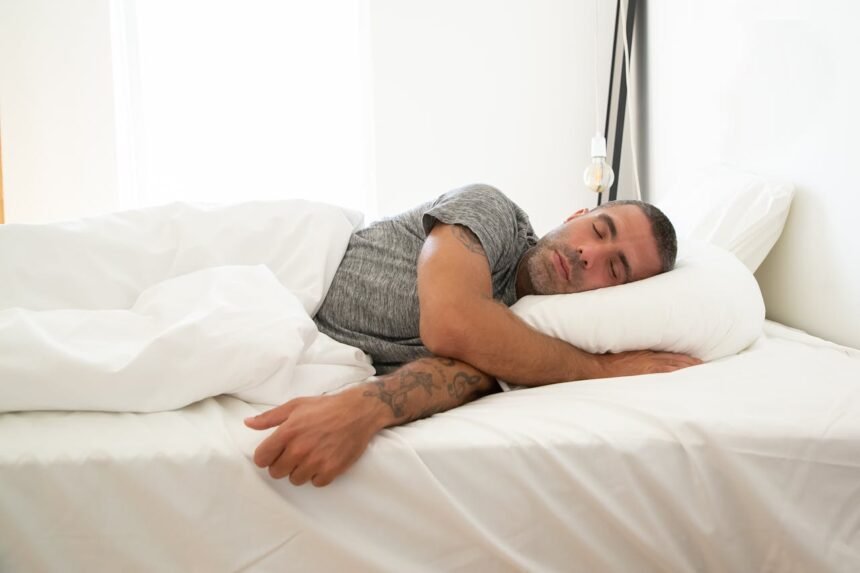
We have all been there. You look at the clock, calculate that you have a solid eight hours before your alarm rings, and congratulate yourself on getting an early night. Yet, when the morning comes, you feel groggy, irritable, and utterly exhausted. You “slept” for the recommended time, so why do you feel as though you have not slept at all?
This common scenario highlights the critical distinction between sleep hygiene and sleep quality. While often used interchangeably in casual conversation, these terms refer to two very different aspects of your rest. Understanding the difference is the first step toward waking up feeling truly refreshed and revitalised.
In this guide, we will break down the mechanics of sleep, explore why your bedtime habits matter, and discuss how to master the basics of sleep to ensure your time in bed is actually restorative.
What Exactly is Sleep Hygiene?
Think of sleep hygiene as the preparation and the environment. It refers to the set of behavioural and environmental practices that are necessary for normal, quality nighttime sleep and full daytime alertness. It is the “input” part of the equation—the things you can actively control.
Good sleep hygiene involves creating the ideal conditions for sleep. It is about setting the stage so that your brain understands it is time to wind down. According to the NHS guide on sleep, establishing a routine is paramount for training your body’s internal clock.
Key Components of Sleep Hygiene
- Consistency: Going to bed and waking up at the same time every day, even on weekends.
- Environment: Ensuring your bedroom is quiet, dark, and kept at a cool temperature.
- Dietary Habits: Avoiding large meals, caffeine, and alcohol close to bedtime.
- Activity: Getting regular exercise during the day but avoiding vigorous workouts right before bed.
If you are struggling to set up your room correctly, you might find our guide on creating the perfect bedroom environment helpful.
Defining Sleep Quality
If sleep hygiene is the input, sleep quality is the output. It measures how well you actually slept. It is not just about the quantity (the number of hours) but the efficiency and depth of that sleep.
High-quality sleep means you are cycling properly through the various stages of sleep, including Deep Sleep (Slow Wave Sleep) and REM (Rapid Eye Movement) sleep. These stages are vital for physical repair, memory consolidation, and emotional regulation.
How is Sleep Quality Measured?
Medical professionals and sleep scientists often use specific metrics to determine the quality of your rest. A study published in PubMed highlights that sleep quality is often subjective, but objective markers include:
- Sleep Latency: Ideally, you should fall asleep within 15 to 20 minutes of your head hitting the pillow. Falling asleep instantly can actually be a sign of sleep deprivation, while taking over 30 minutes may suggest insomnia.
- Sleep Continuity: This refers to sleeping through the night without frequent awakenings. Waking up once is normal; waking up four or five times disrupts your sleep cycles.
- Wakefulness After Sleep Onset: If you do wake up, you should be able to drift back off within 20 minutes.
- Sleep Efficiency: This is the percentage of time you spend asleep while in bed. A score of 85% or higher is generally considered good.
The Connection: Why Hygiene Influences Quality
There is a direct causal link between your habits (hygiene) and your results (quality). Poor sleep hygiene is often the primary culprit behind poor sleep quality. For instance, scrolling through social media on your phone before bed exposes you to blue light.
Blue light suppresses the production of melatonin, the hormone that signals to your body that it is time to sleep. This disruption can delay sleep onset and reduce the amount of REM sleep you get, leaving you feeling foggy the next day. You can learn more about this in our article on blue light and sleep.
However, it is important to note that you can have perfect sleep hygiene and still suffer from poor quality sleep. This is often where medical conditions come into play. If you follow every rule—no caffeine, a dark room, a perfect mattress—but still wake up exhausted, you may be dealing with a sleep disorder like sleep apnoea or Restless Legs Syndrome (RLS).
Signs Your Sleep Quality Needs Attention
You do not need a laboratory sleep study to know if your sleep quality is lacking. Your body will usually tell you. According to Mind.org.uk, the link between sleep and mental health is significant, and poor quality sleep often manifests in your mood.
Common symptoms of poor sleep quality include:
- Taking more than 30 minutes to fall asleep.
- Waking up frequently during the night and struggling to return to sleep.
- Feeling tired or exhausted immediately upon waking.
- Requiring excessive amounts of caffeine to function during the day.
- Noticing increased irritability, anxiety, or low mood.
- Experiencing “brain fog” or difficulty concentrating.
- Red or puffy eyes and dark circles.
If these symptoms persist, it may be beneficial to review our resources on identifying insomnia symptoms.

Actionable Steps to Optimise Sleep Hygiene
To improve the quality of your sleep, you must first address your hygiene. Think of this as laying the foundation for a house. Without a solid base, the structure cannot stand.
1. Stabilise Your Circadian Rhythm
Your body operates on a 24-hour internal clock known as the circadian rhythm. By waking up at the same time every day, you anchor this rhythm. Exposure to natural sunlight first thing in the morning is crucial. It halts melatonin production and boosts cortisol, helping you feel alert. Read more about resetting your circadian rhythm here.
2. The Caffeine Cut-off
Caffeine is a stimulant with a half-life of roughly 5 to 6 hours. This means if you have a coffee at 4 pm, half of that caffeine is still in your system at 9 pm or 10 pm. The Royal College of Psychiatrists recommends avoiding caffeine and sugary drinks for at least 4 to 6 hours before bedtime to prevent sleep fragmentation.
3. Create a Wind-Down Routine
Your brain needs a buffer zone between the stress of the day and sleep. This might involve reading a physical book (not an e-reader), gentle stretching, or listening to calming music. This signals to your parasympathetic nervous system that it is safe to relax.
4. Alcohol is Not a Sleep Aid
Many people use alcohol to help them “nod off.” While alcohol acts as a sedative and may help you fall asleep faster, it severely degrades sleep quality. It blocks REM sleep and causes sleep fragmentation as the alcohol is metabolised. For a deeper dive, read our analysis on alcohol’s impact on rest.
The Role of Environment
Your bedroom should be a sanctuary dedicated to rest. The Sleep Charity UK emphasises that temperature is a key factor. The ideal sleeping temperature is around 16-18°C. If the room is too warm, it interferes with your body’s natural thermoregulation, which needs to drop your core temperature to initiate sleep.
Furthermore, ensure your mattress and pillows support your spine adequately. An uncomfortable bed is a common, yet often overlooked, cause of micro-awakenings. Check our comprehensive mattress guide if yours is over seven years old.
When to See a GP
If you have optimised your sleep hygiene and are still suffering from chronic fatigue or poor sleep quality, it is time to seek professional help. Persistent sleep issues can be a symptom of underlying health conditions.
You should consult your GP if:
- Your sleep problems have persisted for more than a month.
- You snore loudly or gasp for air during sleep (signs of obstructive sleep apnoea).
- You fall asleep at inappropriate times (e.g., while driving or in conversation).
- You experience physical sensations in your legs that keep you awake.
Organisations like the British Lung Foundation provide excellent resources on conditions like sleep apnoea, which require medical intervention rather than just lifestyle changes.
Additionally, NICE guidelines suggest that Cognitive Behavioural Therapy for Insomnia (CBT-i) is often the first-line treatment for long-term sleep issues, rather than medication.
The Bottom Line
Sleep hygiene and sleep quality are deeply interconnected, but they are not the same thing. Hygiene is the lifestyle and environment you control; quality is the biological restoration you achieve. By prioritising good habits—such as a consistent schedule, a dark room, and managing stress—you give your body the best possible chance to achieve high-quality sleep.
However, remember that perfection is not the goal. Occasional bad nights are normal. If you find yourself obsessing over sleep to the point where it causes anxiety, you may be developing “orthosomnia.” Be kind to yourself, make small, sustainable changes, and prioritise rest as a pillar of your overall health.
For more support on maintaining mental wellbeing through better rest, visit the Mental Health Foundation.


