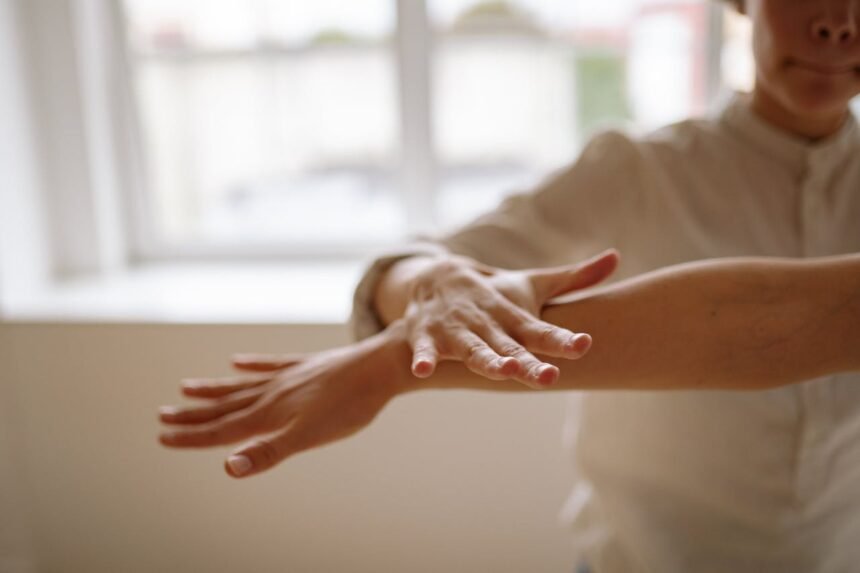
In our modern, high-speed world, many of us carry the weight of our daily to-do lists in our shoulders, jaws, and hips. While traditional gym workouts focus on how our bodies look or perform externally, a growing movement is encouraging us to look inward. Somatic exercises are changing the way we approach fitness by prioritising internal sensation over external exertion.
By fostering a deep mind-body connection, these movements allow you to “re-programme” how your brain communicates with your muscles. Whether you are seeking relief from persistent tension or looking for better ways to manage your mental wellbeing, somatic practices offer a restorative alternative to high-intensity training.
What Exactly Are Somatic Exercises?
The term “soma” comes from the Greek word for “living body”. In the context of movement, somatic exercises are any practice that focuses on the internal experience of the movement rather than the end result or appearance. Unlike aerobic exercise, the goal isn’t to burn calories or build muscle bulk; it is to increase your body awareness.
Developed largely by pioneers like Thomas Hanna and Moshe Feldenkrais, these techniques help address what is known as sensory-motor amnesia. This is a condition where your brain “forgets” how to relax certain muscles due to chronic stress or repetitive injury, leading to permanent tightness. Somatic movement teaches the nervous system how to let go of these habitual holding patterns.
The Benefits of Somatic Movement
Incorporating somatic practices into your routine can have profound effects on both your physical health and your psychological state. By focusing on nervous system regulation, you can transition your body from a “fight or flight” state into “rest and digest”.
- Chronic pain relief: By addressing the root cause of muscle tension, many find relief from long-term issues like lower back pain.
- Improved posture: Recognising habitual patterns allows you to realign your spine naturally.
- Cortisol reduction: Slow, intentional movement helps lower stress hormones, promoting better stress management.
- Enhanced mobility: Unlike gentle stretching, which pulls on the muscles, somatics “release” them from the central nervous system.
- Emotional release: Many practitioners find that releasing physical knots leads to a significant emotional release of stored trauma.
Somatic Exercises vs. Traditional Exercise
It can be helpful to understand how somatic practices differ from the stretching or strengthening routines you might find at a local leisure centre. The following table highlights the key differences:
| Feature | Somatic Exercises | Traditional Stretching/Gym |
|---|---|---|
| Primary Goal | Internal sensory awareness | Flexibility, strength, or aesthetics |
| Pace | Extremely slow and mindful | Fast or moderate tempo |
| Neurological Focus | Brain-to-muscle re-education | Physical fibre lengthening |
| Effort Level | Low (Minimum effort required) | Moderate to High effort |
| Outcome | Chronic pain relief and relaxation | Physical fitness and endurance |
Popular Methods of Somatic Movement
There is no “one size fits all” approach to somatics. Several established methodologies exist, each offering unique ways to tap into your proprioception—the sense of where your body is in space.
The Feldenkrais Method
The Feldenkrais Method utilises small, repetitive movements to improve the efficiency of body functions. It is often described as “learning to learn,” as it encourages the brain to find new, more comfortable pathways for movement. Research into neuroplasticity suggests that these types of mindful movements can actually rewire the brain’s motor cortex.
Hanna Somatics
Developed by Thomas Hanna, Hanna Somatics focuses specifically on “pandiculation”. This is the natural process of slowly contracting and then very slowly releasing a muscle—similar to how a cat stretches after a nap. This technique is particularly effective for trauma-informed movement, as it helps the body unlearn the “red light reflex” (slumping forward under stress).
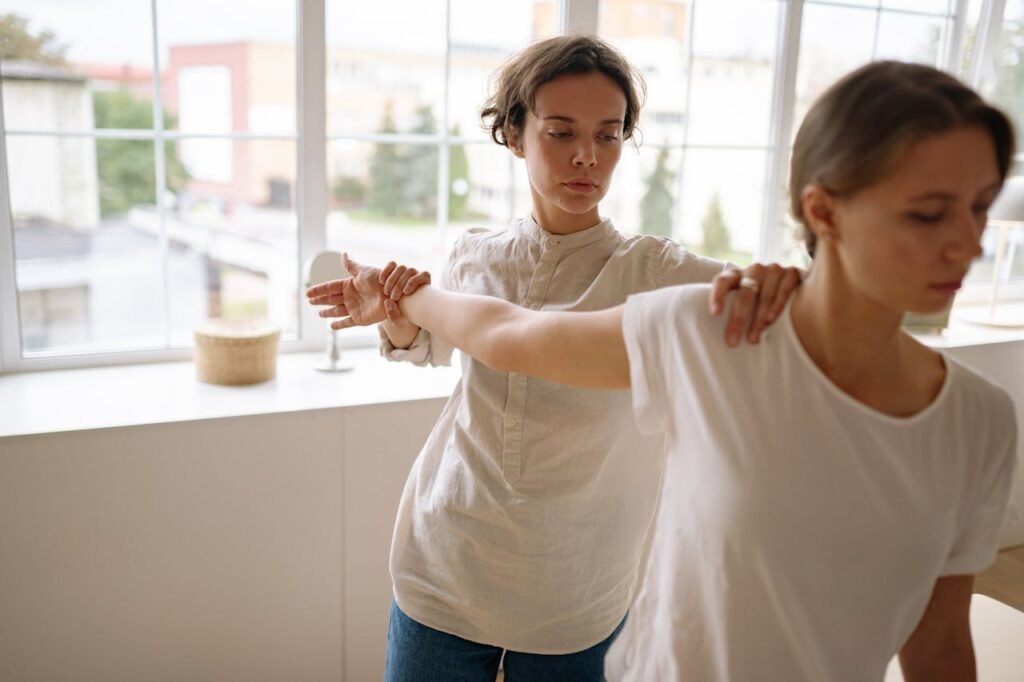
The Science of the Mind-Body Connection
Why does moving slowly work so well? The answer lies in our physiology. When we perform somatic exercises, we are engaging in vagus nerve stimulation. The vagus nerve is a key player in the parasympathetic nervous system, sending signals to the brain that it is safe to relax. You can learn more about the vagus nerve’s role in health from Johns Hopkins Medicine.
By focusing on the internal feeling of a movement, you improve your proprioception, which is handled by the parietal lobe of the brain. Studies found on ScienceDirect indicate that improving this sense can reduce the risk of injury and improve balance in older adults. Furthermore, managing chronic pain through movement is now a recommended approach by the National Institute for Health and Care Excellence (NICE).
How to Get Started at Home
You don’t need expensive equipment to begin your journey into somatic movement. In fact, most exercises are performed lying on a comfortable rug or yoga mat.
- The Pelvic Clock: Lying on your back with knees bent, imagine a clock face on your lower back. Gently tilt your pelvis to move through the numbers, focusing on pelvic floor health and lower back release.
- The Arch and Flatten: Gently arch your back away from the floor as you inhale, then slowly flatten it against the floor as you exhale. This is a foundational move in somatic therapy.
- Neck Releases: Slowly roll your head from side to side, noticing the exact point where tension begins and ends.
Consistency is more important than duration. Just 10 minutes of daily practice can significantly improve your mental health and physical comfort. Many people find that practicing before bed improves their sleep quality by calming the nervous system.
The Bottom Line
Somatic exercises offer a powerful way to reclaim your body from the effects of stress and sedentary living. By prioritising how you feel over how you look, you can unlock a level of mobility and peace that traditional exercise often misses. Whether you are dealing with arthritis, recovering from an injury with physiotherapy, or simply looking to reduce your stress levels, somatics provide a gentle, science-backed path to wellness.
Frequently Asked Questions (FAQs)
Are somatic exercises the same as yoga?
While both emphasize the mind-body connection, they are different. Yoga often involves holding specific poses (asanas) for flexibility and strength. Somatic exercises focus entirely on the internal sensation of the movement and re-educating the brain to release muscle tension. You can read more about yoga vs. stretching on Harvard Health.
How often should I do somatic exercises?
Because they are low-impact and focus on nervous system regulation, you can perform them daily. Many practitioners find that a short 10-to-15-minute session each morning or evening is enough to see significant improvements in body awareness and pain reduction.
Can somatic exercises help with trauma?
Yes. Somatic movement is often a key component of trauma-informed movement. Trauma is frequently stored in the body as physical tension or “armouring”. By gently releasing these physical patterns, individuals may experience a sense of safety and emotional release. However, it is always recommended to work with a qualified therapist if you are processing significant trauma.