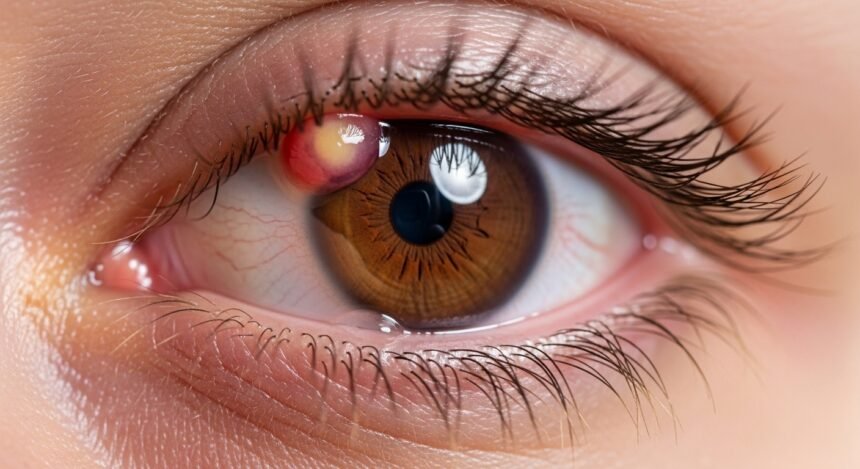
Waking up with a painful, red lump on your eyelid can be distressing. Not only is it unsightly, but the tenderness can also be quite uncomfortable. This common eye condition, known as a stye (or hordeolum), affects millions of people every year. While most styes are harmless and resolve on their own, finding the right stye remedy can significantly speed up the healing process and reduce discomfort.
In this detailed guide, we will explore exactly what a stye is, why it occurs, and the most effective ways to treat it at home. We will also discuss the difference between a stye and a chalazion, and when it might be time to visit your GP or an eye specialist.
What is a Stye?
A stye is essentially a small abscess filled with pus that appears as a lump on or inside the eyelid. It is typically caused by a bacterial infection of an oil gland or eyelash follicle. The medical term for a stye is a hordeolum.
There are two main types:
* External Stye: This forms at the base of an eyelash and looks like a pimple. It is usually caused by an infection in the hair follicle.
Internal Stye:** This develops inside the eyelid and is caused by an infection in the meibomian glands (oil-producing glands). An *internal stye remedy often requires more patience as these styes are deeper within the tissue.
According to the NHS, styes are rarely a sign of anything serious, but they can be painful until they heal.
Causes and Risk Factors
Styes are primarily caused by Staphylococcus bacteria, which live harmlessly on the skin but can cause infection if they enter a gland. Several factors can increase your risk of developing a stye:
* Poor Hygiene: Touching your eyes with unwashed hands.
* Old Cosmetics: Using expired mascara or eyeliner.
* Blepharitis: A chronic inflammation of the eyelids.
* Rosacea: A skin condition that causes facial redness.
Stress:** While stress doesn’t directly cause infection, it can weaken your immune system, making *recurring stye causes more likely.
For a deeper dive into causes, the Mayo Clinic offers excellent resources on risk factors.
Stye vs. Chalazion: Knowing the Difference
It is common to confuse a stye with a chalazion. While both appear as lumps on the eyelid, they are distinct conditions.
* Stye: Red, very painful, and typically indicates an active infection.
Chalazion:** A firm, painless (or less painful) lump that develops further back on the eyelid. It is caused by a blocked oil gland rather than an active bacterial infection. However, a *chalazion home treatment plan is often very similar to that of a stye.
To understand the visual differences, Moorfields Eye Hospital provides expert guidance on identifying these eyelid bumps.
Effective Home Remedies for Styes
If you are wondering how to get rid of a stye fast, the answer lies in consistency. Most home remedies focus on using heat to liquify the blocked oil and encourage the stye to drain naturally.
1. The Warm Compress (The Gold Standard)
The most effective treatment is a simple warm compress for eye stye relief. Heat increases blood circulation to the area and helps the pus come to a head.
How to do it:
- Soak a clean flannel or cloth in warm water (ensure it is not scalding hot).
- Wring it out so it is damp but not dripping.
- Hold it gently against your closed eye for 10 to 15 minutes.
- Repeat this 3 to 4 times a day.
> Expert Tip: “Consistency is key. A single compress won’t cure it, but regular application over 48 hours often yields dramatic results.”
2. Tea Bag Compresses
A popular alternative to a flannel is a tea bag treatment for stye relief. Black tea contains tannins, which are natural compounds with mild anti-inflammatory and antibacterial properties.
Method:
* Steep a black tea bag in boiling water for a minute.
* Let it cool until it is comfortably warm.
* Place it over the affected eye for 10 minutes.
* Discard the tea bag after use.
3. Eyelid Hygiene
Keeping the area clean is vital. If you have crusty eyelids*, gently washing them can prevent further infection. *Cleaning eyelids with baby shampoo is a method frequently recommended by optometrists in the UK.
The Baby Shampoo Method:
* Mix a few drops of tear-free baby shampoo in a cup of warm water.
* Dip a cotton bud or clean cloth into the solution.
* Gently wipe the base of your eyelashes to remove debris and crusts.
* Rinse with cool water.
For those who prefer a dedicated product, Specsavers recommends using sterile lid wipes available at most chemists.
4. Gentle Massage
Once the stye has begun to drain, a very gentle massage can help. With clean hands, roll your finger over the area to encourage drainage. However, stop immediately if it causes pain. This technique is also useful for swollen eyelid relief associated with blocked glands.
Medical Treatments and Ointments
Sometimes, home remedies aren’t enough. If your stye is particularly stubborn, you might visit a pharmacy.
Over-the-Counter Options
Pharmacists in the UK may recommend the best ointment for stye treatment, which often contains an antiseptic like dibrompropamidine isethionate (e.g., Golden Eye). While these don’t “cure” the stye instantly, they stop the infection from spreading.
Antibiotics
Doctors rarely prescribe antibiotic eye drops for stye treatment unless the infection has spread to the rest of the eyelid (preseptal cellulitis) or the eye itself (conjunctivitis). Systemic antibiotics are reserved for severe cases.
According to Patient.info, most styes will resolve without medical intervention within a week or two.
What Not to Do
When dealing with a painful lump, the urge to fix it immediately can be overwhelming. However, certain actions can make the situation much worse.
Do NOT Pop It:** The *dangers of popping a stye cannot be overstated. Squeezing the lump can force the infected pus backwards into the tissue, potentially causing a serious infection that could spread to the brain (cavernous sinus thrombosis), although this is rare.
* Avoid Makeup: Do not wear mascara or eyeliner until the stye has completely healed. Discard any old makeup that might be contaminated.
* No Contact Lenses: Switch to glasses to avoid irritating the cornea and spreading bacteria.
When to See a GP
While a stye on lower eyelid treatment can usually be managed at home, you should seek professional advice if:
- The stye won’t go away after 2 weeks of home treatment.
- The swelling spreads to the rest of your face.
- Your vision is affected.
- The eyelid becomes incredibly painful and hot to the touch.
- You have a bleed or discharge that won’t stop.
organisations like the American Academy of Ophthalmology and WebMD provide excellent checklists for when to seek medical care.
Prevention: Stopping the Return
If you suffer from recurring stye causes, prevention is better than cure. Establishing a daily routine is essential.
* Daily Lid Scrubs: If you have blepharitis, use lid wipes daily.
* Remove Makeup: Never sleep with eye makeup on.
* Hand Hygiene: Wash your hands frequently and avoid rubbing your eyes.
* Warm Compresses: Even when you don’t have a stye, a weekly warm compress can keep the oil glands flowing smoothly.
Useful hygiene tips can be found at Healthline and Medical News Today.
Conclusion
A stye is an annoyance, but with the right care, it is rarely a long-term problem. By utilizing a warm compress for eye stye treatment and maintaining excellent hygiene, you can manage the condition effectively at home. Remember, if in doubt, always consult an optometrist or GP to ensure the health of your eyes.
For more information on general eye health, the College of Optometrists and Cleveland Clinic are authoritative sources.
—
Frequently Asked Questions
1. Is a stye contagious?
Many people ask, “is a stye contagious?” In general, styes are not highly contagious like pink eye (conjunctivitis). However, the bacteria causing the stye can be transferred. You should avoid sharing towels, flannels, or pillowcases with others while you have an active infection.
2. How long does a stye last?
A stye typically lasts 7 to 10 days. With consistent warm compresses, it may rupture and drain sooner. If a lump remains for months without pain, it may have turned into a chalazion.
3. Can I use apple cider vinegar for a stye?
While some home remedies for eye infection discussions online suggest vinegar, putting any acidic substance near your eye is dangerous and can cause chemical burns. Stick to warm water and approved medical ointments.
4. Why do I keep getting styes?
Recurring stye causes often include chronic blepharitis, rosacea, or uncorrected vision problems (causing eye rubbing). Persistent styes can also be linked to hormonal changes or stress. Consult a doctor if they return frequently.
5. Can a stye affect my vision?
A stye usually does not affect vision permanently. However, the swelling can press on the eye, causing temporary blurriness or astigmatism. If your vision suddenly changes, seek medical help immediately.