Swiss chard is a nutritional powerhouse belonging to the chenopod family, which also includes beets and spinach. Often overlooked in favor of kale or spinach, this leafy green is densely packed with vitamins, minerals, and a unique array of antioxidants. Current research highlights its potential in mitigating chronic disease by combating cellular damage. This article explores the specific antioxidant compounds found in Swiss chard, their mechanisms in fighting inflammation and oxidative stress, and how to optimize your intake for maximum health benefits.
Understanding the Nutrient Profile of Swiss Chard
Before diving into the complex biochemistry of its antioxidant capacity, it is essential to understand the foundational nutritional value of Swiss chard (Beta vulgaris subsp. cicla). A single cup of cooked Swiss chard provides over 700% of the daily value (DV) for Vitamin K, along with significant amounts of Vitamin A, Vitamin C, magnesium, and dietary fiber.
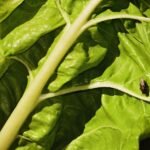
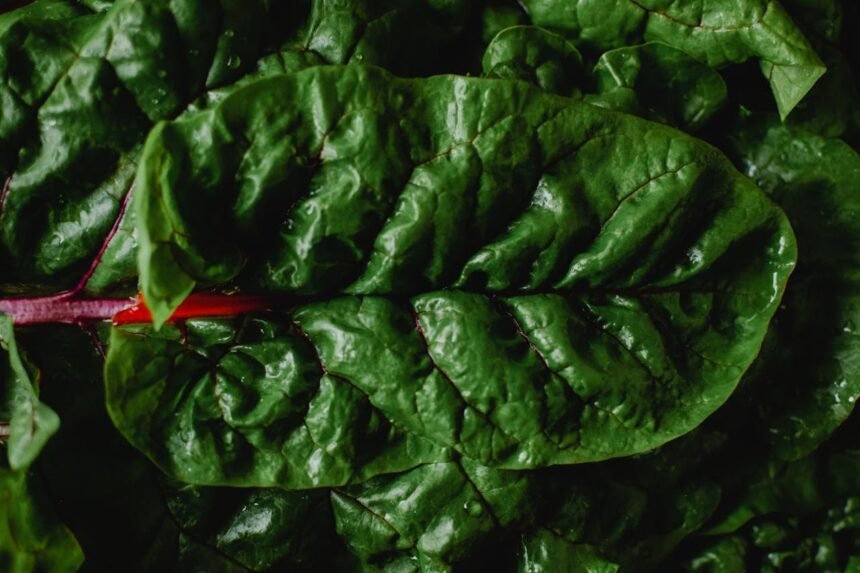
However, the true power of this vegetable lies in its phytonutrients. Unlike many other greens, Swiss chard contains a diverse spectrum of pigments. The stems, which can range from white to red and yellow (often sold as “rainbow chard”), indicate the presence of specific bioactive compounds known as antioxidants. These compounds are crucial for neutralizing free radicals—unstable molecules that can damage cells and contribute to aging and diseases.
According to the USDA National Nutrient Database, Swiss chard is low in calories but nutrient-dense, making it an excellent choice for weight management and metabolic health. By incorporating this vegetable into your diet, you provide your body with the raw materials necessary to repair tissue and regulate immune responses.
The Connection Between Oxidative Stress and Inflammation
To appreciate the benefits of Swiss chard, one must first understand the relationship between oxidative stress and inflammation. Oxidative stress occurs when there is an imbalance between free radicals and antioxidants in your body. Free radicals are naturally produced during metabolism, but environmental factors like pollution, radiation, and poor diet can accelerate their production.
When free radicals outnumber defenses, they cause oxidative damage to fatty tissue, DNA, and proteins. This damage triggers an immune response, leading to inflammation. While acute inflammation is a healing mechanism, chronic inflammation is the root cause of many modern ailments, including heart disease, diabetes, and neurodegenerative disorders. Research published by the National Institutes of Health (NIH) confirms that sustained oxidative stress acts as a primary trigger for chronic inflammatory pathways.
Swiss chard acts as a dietary intervention by supplying exogenous antioxidants that donate electrons to free radicals, stabilizing them and breaking the cycle of cellular damage.
Key Antioxidants in Swiss Chard
Swiss chard contains a robust profile of antioxidants, including beta-carotene, alpha-carotene, lutein, and zeaxanthin. However, three specific categories of compounds make chard particularly effective at fighting inflammation.
1. Betalains
Perhaps the most unique antioxidants in Swiss chard are betalains. These are the same water-soluble pigments responsible for the deep red and yellow hues in beets. Betalains function as potent anti-inflammatory agents. They inhibit the activity of specific enzymes—cyclooxygenase-2 (COX-2)—that signal the body to produce inflammation.
COX-2 inhibitors are the same mechanism used by certain pharmaceutical pain relievers. By consuming foods rich in betalains, such as rainbow chard, you may naturally modulate inflammatory signals. Studies cited in PubMed have demonstrated that betalains also support Phase 2 detoxification in the liver, helping the body eliminate toxins that would otherwise generate oxidative stress.
2. Flavonoids: Syringic Acid and Kaempferol
Swiss chard is rich in flavonoids, a class of polyphenols known for their antioxidant properties. One standout flavonoid in chard is syringic acid. This compound has received attention for its ability to help regulate blood sugar levels. It works by inhibiting an enzyme called alpha-glucosidase, which breaks down carbohydrates into simple sugars. By slowing this process, syringic acid helps maintain stable glucose levels, which is vital because high blood sugar is a major contributor to type 2 diabetes and systemic inflammation.
Another significant flavonoid is kaempferol. Found also in broccoli and tea, kaempferol has been linked to a reduced risk of chronic diseases, including cancer. It protects cells by modulating cell signaling pathways and inducing apoptosis (programmed cell death) in cancer cells, as noted by the National Cancer Institute.
3. Vitamin C and E
While often associated with citrus fruits, Swiss chard is a substantial source of Vitamin C. This vitamin is a primary water-soluble antioxidant that protects fluids in the body, such as blood, from oxidative damage. Simultaneously, the Vitamin E found in chard protects lipid (fat) structures, such as cell membranes. For more on the immune-boosting properties of these vitamins, you can read our guide on Vitamin C benefits.
The Office of Dietary Supplements (ODS) emphasizes that Vitamin E helps prevent the oxidation of LDL cholesterol, a key step in the development of atherosclerosis (hardening of the arteries).
Health Benefits Related to Reduced Inflammation
The synergy of these antioxidants translates into tangible health benefits. Regular consumption of Swiss chard contributes to disease prevention in several key systems of the body.
Cardiovascular Health
Heart disease is often driven by inflammation within the arterial walls. The antioxidants in Swiss chard, particularly quercetin and kaempferol, help reduce blood pressure and prevent arterial stiffness. Additionally, Swiss chard is a source of dietary nitrates, which the body converts to nitric oxide. Nitric oxide helps dilate blood vessels, improving blood flow.
Following a diet for heart health that includes leafy greens like chard is strongly recommended by the American Heart Association to manage hypertension and reduce the risk of stroke.
Insulin Sensitivity and Metabolic Health
As mentioned regarding syringic acid, Swiss chard plays a role in metabolic regulation. Chronic inflammation impairs insulin sensitivity, leading to metabolic syndrome. By reducing oxidative stress, the antioxidants in chard protect pancreatic beta-cells (which produce insulin) from damage. This makes chard an excellent addition to a plant-based diet guide focused on metabolic longevity.
Furthermore, the high fiber content helps slow digestion, preventing blood sugar spikes. The Mayo Clinic highlights fiber as a crucial component for managing weight and reducing the risk of diabetes.
Neuroprotection
The brain is highly susceptible to oxidative stress due to its high oxygen consumption. Antioxidants like Vitamin K and beta-carotene found in Swiss chard are vital for cognitive health. Vitamin K, in particular, is essential for the synthesis of sphingolipids, an important fat that makes up the myelin sheath around nerve cells. Adequate intake is linked to better cognitive function in aging adults. Learn more about the cognitive advantages in our article on the benefits of leafy greens.
Bioavailability: Raw vs. Cooked
How you prepare Swiss chard affects the availability of its antioxidants. Some vitamins, like Vitamin C, are heat-sensitive and can degrade during long cooking processes. Conversely, the bioavailability of beta-carotene and other fat-soluble antioxidants often increases with cooking because the heat breaks down the tough plant cell walls.
To maximize benefits, consider a mix of preparation methods:
- Steaming: This is generally considered the best method for preserving antioxidants. It softens the fibers without leaching nutrients into boiling water.
- Sautéing: Cooking chard quickly with a healthy fat, like olive oil, enhances the absorption of Vitamins A, E, and K. For tips on preparation, check our guide on how to cook vegetables to retain nutrients.
- Raw: Young, tender chard leaves can be added to salads to maximize Vitamin C intake.
Avoid boiling Swiss chard in large amounts of water unless you plan to consume the broth, as water-soluble vitamins and betalains will leach out into the liquid.
Potential Downsides and Precautions
While Swiss chard is beneficial for most, there are specific considerations for certain individuals.
Oxalates and Kidney Stones
Like spinach and beet greens, Swiss chard is high in oxalates. These organic acids can bind with calcium in the digestive tract and form calcium oxalate stones in susceptible individuals. If you have a history of kidney stones, you may need to moderate your intake or consult a healthcare provider. The National Kidney Foundation suggests drinking plenty of water and pairing high-oxalate foods with calcium-rich foods to reduce stone formation risk. You can also read more about this in our kidney stone prevention article.
Vitamin K and Blood Thinners
Because Swiss chard is incredibly high in Vitamin K, it promotes blood clotting. This is a vital function for wound healing but can interfere with blood-thinning medications like warfarin (Coumadin). Consistency is key; patients on these medications are usually advised to maintain a consistent daily intake of Vitamin K rather than avoiding it entirely. For detailed guidance, refer to foods rich in Vitamin K and speak with your doctor.
Incorporating Swiss Chard into a Daily Routine
Adding Swiss chard to your diet is simple due to its versatility. Its flavor is milder than kale but more robust than spinach. The stems add a satisfying crunch, while the leaves become tender quickly.
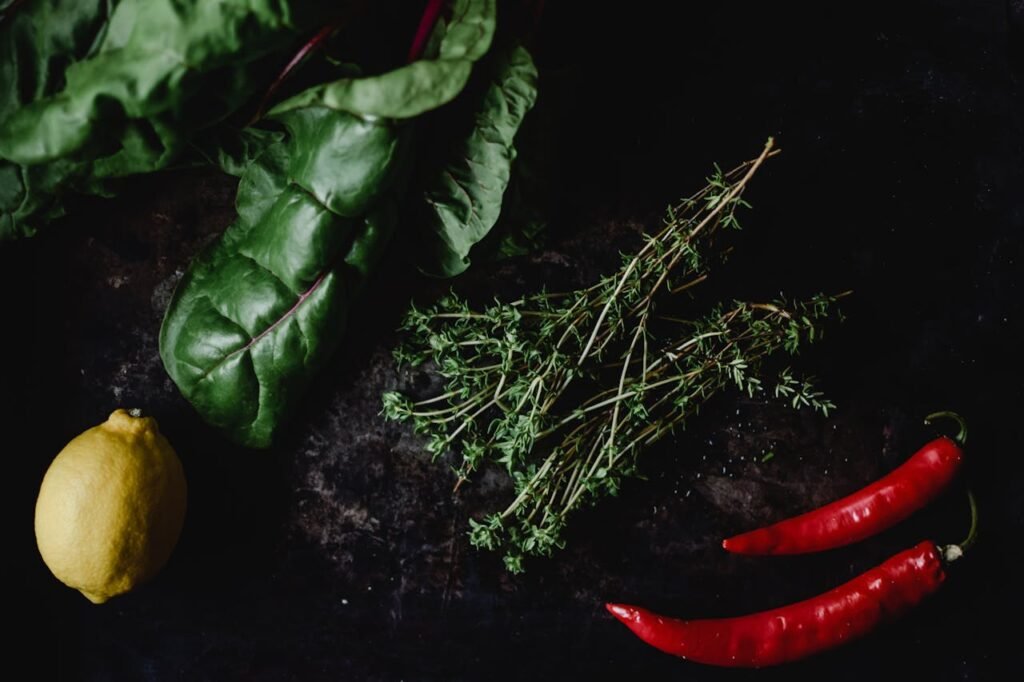
Try adding chopped chard to vegetable soups, stews, or frittatas. It pairs exceptionally well with garlic, lemon, and chickpeas. For a nutrient-dense smoothie, blend raw chard leaves with fruits high in Vitamin C to help mask the earthiness and improve iron absorption. According to the Centers for Disease Control and Prevention (CDC), increasing vegetable intake is the single most effective dietary change for extending lifespan.
Takeaway
Swiss chard is an elite vegetable when it comes to antioxidant content and inflammation reduction. Its unique combination of betalains, flavonoids like syringic acid, and essential vitamins makes it a powerful ally against oxidative stress. By incorporating this leafy green into a balanced diet, you support heart health, blood sugar regulation, and cellular protection. However, individuals prone to kidney stones or those on blood thinners should monitor their intake. Ultimately, the diversity of antioxidants in Swiss chard offers a compelling reason to rotate it regularly into your meals for optimal well-being.